
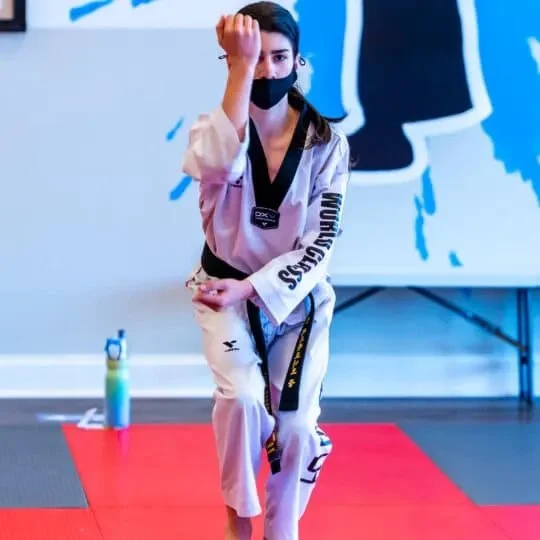
What is Breathing Technique in Tae Kwon Do?
Breathing techniques in Tae Kwon Do are methods used to control and regulate breathing patterns during training and combat. These techniques are crucial for maintaining stamina, focus, and mental clarity, especially in a high-intensity environment like martial arts.

Budo Martial Arts Studio / budo martial arts studio
Ewing TownshipMercer CountyNew Jersey
9 Scotch Rd, Ewing Township, NJ 08628, USA
Why Breathing Techniques Are Important in Tae Kwon Do
Effective breathing plays a pivotal role in Tae Kwon Do. It helps with maintaining energy levels, reducing stress, and improving performance during both physical and mental exertion. By mastering your breath, you can enhance your ability to perform high-intensity movements, execute strikes with more precision, and recover quickly during breaks.
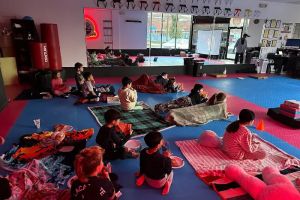
Champions Martial Arts Plainview / champions martial arts plainview
PlainviewNassau CountyNew York
10 Washington Ave, Plainview, NY 11803, USA
Different Types of Breathing Techniques for Martial Arts
There are several breathing techniques utilized in Tae Kwon Do training, each serving a different purpose:
1. Diaphragmatic Breathing (Belly Breathing): This technique focuses on expanding the diaphragm rather than the chest. It helps to increase oxygen intake, improving endurance and reducing fatigue during prolonged training sessions.
2. Exhalation Breathing: In Tae Kwon Do, it's crucial to exhale sharply during powerful movements like punches or kicks. This technique helps to maximize force and ensures proper breath control during rapid movements.
3. Rhythmic Breathing: Practitioners often use rhythmic breathing during forms (poomsae) to maintain a steady flow of oxygen, calming the body and allowing for more fluid and controlled movements.
Practical Tips for Mastering Breathing Techniques
Mastering breathing techniques takes consistent practice. Here are a few tips to help you incorporate them into your Tae Kwon Do training:
1. Focus on Exhaling Forcefully: Always exhale sharply during powerful techniques, such as kicks or punches, to maximize energy output. Inhale through the nose and exhale forcefully through the mouth, as this helps release tension and improves your focus.
2. Practice Slow, Controlled Breathing: During more meditative aspects of training, like stretching or poomsae, focus on slow and controlled breathing. This helps reduce anxiety and improves concentration.
3. Incorporate Breathing Drills: Set aside time during training to practice specific breathing drills, such as controlled inhales and exhales during static holds or low stances. This strengthens your lung capacity and enhances overall endurance.
Real-Life Examples of Breathing Techniques in Action
Professional martial artists and practitioners often attribute part of their success to mastering breathing techniques. For instance, Olympic-level Tae Kwon Do athletes use breath control to maintain energy and stay calm under pressure during competitions. Similarly, many instructors emphasize the power of controlled breathing to keep focus and calmness even in high-stress situations during sparring.
In one inspiring example, a Tae Kwon Do practitioner with severe asthma used controlled breathing techniques to increase lung capacity, significantly improving their endurance and overall performance during training and competitions.


 Aikido of San Jose4.0 (7 reviews)
 Nikko Jujitsu School4.0 (9 reviews)
 Gracie Barra San Clemente Martial Arts4.0 (47 reviews)
 Karate Institute of America4.0 (4 reviews)
 Keweenaw Korean Martial Arts0.0 (0 reviews)
 Wing Chun School of Internal Arts5.0 (6 reviews)
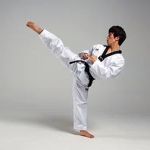 How to Execute a Jumping Roundhouse Kick to the Head
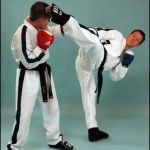 How to Execute a Double Kick Combination in Sparring
 How to Perform a Flawless Axe Kick: A Step-by-Step Guide
 DIY Tae Kwon Do Training Equipment for Home Practice
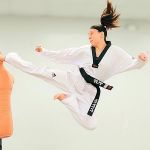 How to Increase Your Vertical Jump for Tae Kwon Do Flying Kicks
 The History of the Tae Kwon Do Peace Corps