
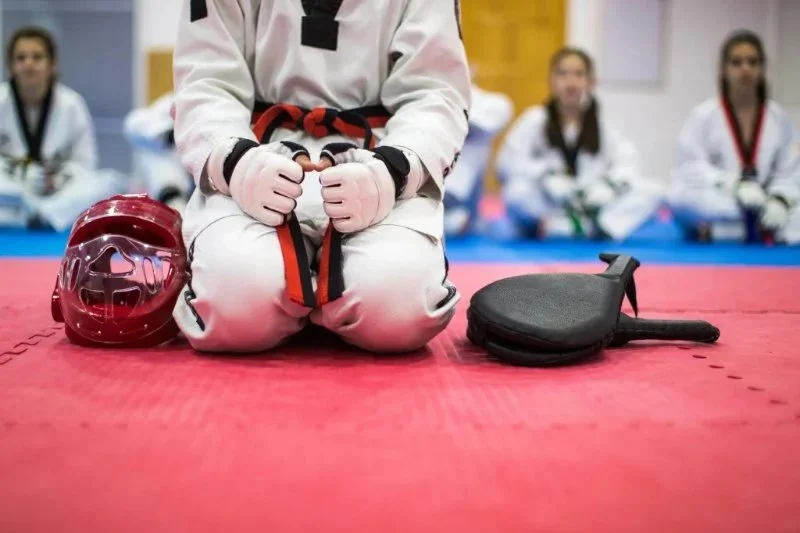
- tae-kwon-do-striking-foundations
- importance-of-control-and-accuracy
- training-methods-for-better-technique
- role-of-qualified-instruction
- building-confidence-through-martial-arts
Understanding Tae Kwon Do Striking Foundations
Tae Kwon Do is often recognized for its dynamic kicks, fast movements, and powerful techniques, but the foundation of every movement is built on control, precision, and discipline. While some martial arts discussions focus heavily on the power behind a technique, experienced practitioners understand that true skill comes from knowing when, where, and how to apply movement responsibly.
Techniques such as hand strikes, blocks, and combinations are developed through years of structured practice. Students do not simply learn movements as isolated actions. They learn balance, timing, distance management, breathing, and respect for training partners. These elements create a complete martial arts skill set rather than just physical ability.
The Purpose of Technical Training
The purpose of Tae Kwon Do training is not to encourage unnecessary confrontation. Instead, martial arts education helps students develop confidence, awareness, patience, and self-control. A skilled martial artist understands that avoiding conflict is often the highest demonstration of discipline.
At Jeuns TKD Hub, students can explore structured Tae Kwon Do training that emphasizes proper form, responsible practice, and personal growth. Quality instruction helps beginners understand that martial arts are about improvement both inside and outside the training environment.
Developing Proper Body Mechanics
Every effective martial arts movement depends on correct mechanics. Students practice posture, alignment, coordination, and controlled movement patterns. These fundamentals reduce the risk of injury and allow practitioners to perform techniques more efficiently.
Instead of focusing only on strength, Tae Kwon Do encourages students to develop complete physical awareness. Footwork, core stability, flexibility, and timing all contribute to better performance.
Why Control and Accuracy Matter in Martial Arts
One of the biggest differences between a beginner and an experienced martial artist is control. A beginner may focus mainly on speed or power, while an advanced practitioner understands that accuracy and responsibility are equally important.
Training With Respect
Martial arts schools create structured environments where students learn to practice safely with others. Partners depend on each other to maintain appropriate intensity and respect boundaries. This creates trust and allows everyone to improve.
Safe practice involves listening to instructors, following training rules, using protective equipment when required, and understanding that techniques are learned for education and personal development.
Improving Accuracy Through Repetition
Repetition is a major part of martial arts development. Students repeat basic movements because consistency creates confidence. Over time, repeated practice improves coordination, reaction ability, and overall athletic performance.
However, repetition should always be guided by proper coaching. Incorrect habits can become difficult to change, which is why learning from qualified instructors is an important part of martial arts progress.
Safe Training Methods for Better Tae Kwon Do Technique
Effective martial arts training combines several approaches. Students typically work on forms, controlled drills, conditioning exercises, flexibility, and partner exercises designed to improve movement quality.
Forms and Pattern Practice
Forms allow students to practice sequences of movements while focusing on balance, concentration, and technical details. They help develop memory, coordination, and confidence.
Many practitioners find that forms training improves their understanding of movement because it requires attention to every position rather than simply completing a motion quickly.
Conditioning and Athletic Development
Physical conditioning supports martial arts performance. Strength, endurance, mobility, and flexibility all contribute to better movement quality.
A balanced training plan may include cardiovascular exercise, strength training, stretching, and recovery practices. The goal is not only athletic improvement but also long-term health and injury prevention.
The Role of Qualified Martial Arts Instruction
A knowledgeable instructor provides more than technical demonstrations. A good teacher helps students understand the values behind martial arts, including discipline, confidence, humility, and responsibility.
Choosing the Right Training Environment
When selecting a Tae Kwon Do program, students should look for schools that prioritize safety, clear instruction, and positive learning experiences. A supportive environment helps beginners feel comfortable while challenging experienced students to continue improving.
Progressing at the Right Pace
Martial arts development takes time. Every student progresses differently depending on experience, fitness level, consistency, and personal goals.
Trying to advance too quickly can create frustration or poor habits. Strong foundations built through patient practice usually lead to better long-term results.
Building Confidence Through Tae Kwon Do
Many people begin martial arts training because they want better fitness, improved confidence, or a new challenge. Over time, they often discover benefits that extend beyond physical skills.
Mental Discipline and Focus
Tae Kwon Do requires concentration and commitment. Students learn to set goals, overcome challenges, and continue practicing even when progress feels slow.
Personal Growth Beyond Training
The lessons learned in martial arts often influence daily life. Patience, confidence, respect, and perseverance can help students in school, work, relationships, and personal challenges.
For those interested in developing martial arts skills in a structured and responsible environment, Jeuns TKD Hub provides resources and training opportunities focused on safe practice and continuous improvement.


 Aikido of San Jose4.0 (7 reviews)
 Nikko Jujitsu School4.0 (9 reviews)
 Gracie Barra San Clemente Martial Arts4.0 (47 reviews)
 Karate Institute of America4.0 (4 reviews)
 Keweenaw Korean Martial Arts0.0 (0 reviews)
 Wing Chun School of Internal Arts5.0 (6 reviews)
 How to Execute a Jumping Roundhouse Kick to the Head
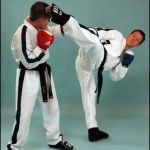 How to Execute a Double Kick Combination in Sparring
 How to Perform a Flawless Axe Kick: A Step-by-Step Guide
 DIY Tae Kwon Do Training Equipment for Home Practice
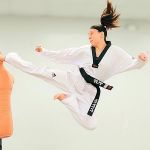 How to Increase Your Vertical Jump for Tae Kwon Do Flying Kicks
 The History of the Tae Kwon Do Peace Corps