
- veterans-tae-kwon-do-and-ptsd-relief-connection
- understanding-ptsd-challenges-among-veterans
- how-martial-arts-supports-mental-health-recovery
- tae-kwon-do-benefits-for-veterans-with-ptsd
- building-routine-discipline-and-purpose-through-training
- physical-training-and-emotional-healing-connection
- creating-community-through-tae-kwon-do-practice
- realistic-veteran-experiences-with-martial-arts-training
- science-behind-consistent-martial-arts-practice
- starting-tae-kwon-do-training-safely
- jeuns-tkd-hub-martial-arts-guidance
Why Many Veterans Report PTSD Relief After Consistent Tae Kwon Do Practice
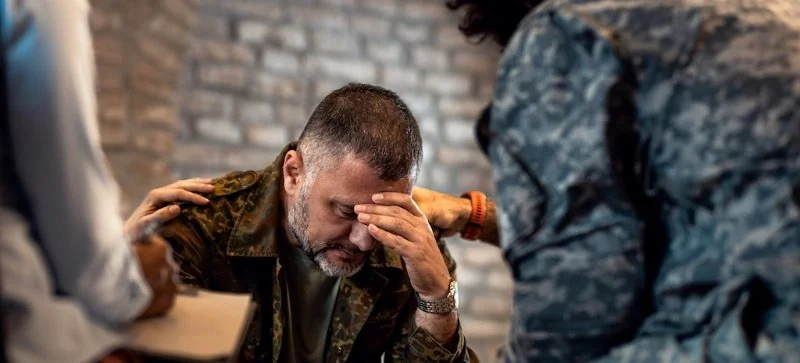
For many veterans returning to civilian life, the transition can be more challenging than expected. The structure, teamwork, and mission-focused environment of military service are replaced by a completely different daily routine. While many veterans successfully adjust, others continue carrying the emotional effects of traumatic experiences, including symptoms associated with post-traumatic stress disorder (PTSD).
In recent years, many veterans have shared personal stories about finding meaningful support through martial arts training. Among these practices, Tae Kwon Do has gained attention because of its combination of physical movement, mental discipline, breathing control, goal setting, and community connection.
The reason many veterans report PTSD relief after consistent Tae Kwon Do practice is not because martial arts are a simple solution to trauma. PTSD is complex and each person's experience is different. However, consistent Tae Kwon Do training can provide tools that support emotional regulation, confidence, healthy routines, and personal growth.
For some veterans, stepping onto the training floor becomes more than exercise. It becomes a place where they can rebuild focus, reconnect with themselves, and develop a renewed sense of purpose.
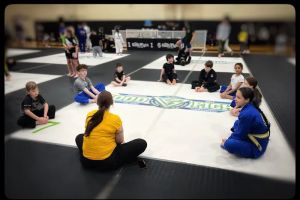
Budo Martial Arts Studio / budo martial arts studio
Ewing TownshipMercer CountyNew Jersey
9 Scotch Rd, Ewing Township, NJ 08628, USA
Understanding PTSD Challenges Among Veterans
The Emotional Transition After Military Service
Military life often provides strong structure. Service members know their responsibilities, work closely with a team, and follow established routines. After leaving the military, some veterans struggle with the sudden loss of that structure.
This transition can create feelings of isolation, uncertainty, or difficulty finding a new identity. For veterans experiencing PTSD symptoms, these challenges may feel even more intense.
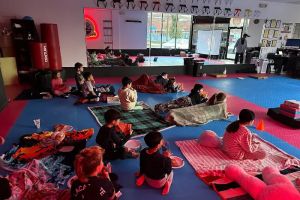
Champions Martial Arts Plainview / champions martial arts plainview
PlainviewNassau CountyNew York
10 Washington Ave, Plainview, NY 11803, USA
Common PTSD Experiences
PTSD can affect people differently, but many veterans report challenges such as:
- Difficulty relaxing or feeling safe
- Unexpected emotional reactions
- Sleep problems
- Difficulty concentrating
- Avoiding certain situations or memories
- Feeling disconnected from others
These experiences can influence relationships, work, and daily life. Finding healthy coping strategies is an important part of long-term wellness.
Why Traditional Approaches May Not Feel Enough for Everyone
Professional support, counseling, and medical care are important resources for many veterans. However, some people also benefit from activities that engage the body and mind together.
This is where practices like Tae Kwon Do may provide additional support by creating an active environment focused on growth, discipline, and connection.
How Martial Arts Supports Mental Health Recovery
The Connection Between Movement and Emotional Regulation
Physical activity has long been associated with improved mood and stress management. Martial arts combine exercise with concentration, breathing, and controlled movement.
Unlike simple workouts where the goal may only be physical fitness, martial arts require participants to remain mentally present. Students must pay attention to posture, timing, technique, and awareness.
This focus can help create moments where worries and stressful thoughts become less overwhelming.
Training the Mind Along With the Body
Tae Kwon Do is often described as a martial art of discipline. Students learn that progress comes from repeated practice rather than instant results.
For veterans, this mindset can be powerful. The process of learning a new skill reminds them that improvement is possible through patience and commitment.
A Healthy Outlet for Stress
Stress and frustration are normal human experiences, but finding healthy ways to manage them is important.
Training sessions provide a structured environment where students can release energy, focus their attention, and leave with a sense of accomplishment.
Tae Kwon Do Benefits for Veterans With PTSD
1. Creating a Sense of Routine
Consistency is one of the strongest elements of Tae Kwon Do training. Classes typically follow predictable patterns, including warm-ups, techniques, drills, and cool-down activities.
For veterans who miss the structure of military life, this routine can provide stability.
Having a scheduled commitment encourages accountability and creates something positive to look forward to each week.
2. Developing Confidence Through Achievement
Many veterans struggle with changes in identity after leaving service. Tae Kwon Do provides measurable progress through skill development and belt advancement.
Each new technique learned and each training milestone achieved can reinforce confidence.
Small victories in training can gradually influence confidence outside the martial arts environment.
3. Improving Focus and Mindfulness
Tae Kwon Do requires concentration. Students cannot perform techniques effectively while distracted.
This encourages mindfulness by bringing attention back to the present moment.
For some veterans, this ability to focus on the current activity can become a valuable coping skill.
Building Routine, Discipline, and Purpose Through Training
Recreating a Mission-Oriented Mindset
Many veterans are familiar with working toward clear objectives. Tae Kwon Do training creates similar experiences through goals, practice schedules, and skill progression.
Instead of focusing only on what has been lost after military service, students can focus on what they are building.
The Power of Small Improvements
A beginner may struggle with basic movements during the first classes. Over time, those same movements become natural.
This process teaches patience and resilience. Veterans often understand the importance of training and repetition, making martial arts a familiar environment.
Creating Personal Goals
Goals in Tae Kwon Do can be highly personal. One person may focus on improving flexibility, while another may focus on confidence or physical fitness.
The ability to choose personal goals allows veterans to create a training journey that matches their needs.
The Connection Between Physical Training and Emotional Healing
Exercise as a Foundation for Wellness
Physical training supports overall health, including energy levels, sleep quality, and stress management.
Tae Kwon Do combines cardiovascular activity, strength development, balance, coordination, and flexibility.
Learning Controlled Responses
Martial arts are not simply about fighting. Traditional Tae Kwon Do emphasizes control, respect, and responsibility.
Students learn when to apply power and when to remain calm. This balance between strength and control is one reason martial arts can be meaningful for personal development.
Building Awareness
Training improves body awareness and encourages students to understand their reactions.
This awareness can help individuals recognize stress responses and develop healthier ways to respond.
Creating Community Through Tae Kwon Do Practice
Finding Connection After Service
One challenge many veterans face is losing the strong sense of teamwork they experienced during military service.
A martial arts school can provide a new community built around shared goals.
Training With People Who Understand Growth
Students in Tae Kwon Do come from many backgrounds. Some train for fitness, some for competition, and others for personal development.
This diverse environment allows veterans to build new relationships outside their previous military identity.
Mentorship and Support
Experienced martial artists often support beginners by sharing knowledge and encouragement.
This mentorship culture can help create a positive environment where veterans feel valued and respected.
Realistic Veteran Experiences With Martial Arts Training
A Veteran Finding Purpose Through Training
Consider a fictional example based on common veteran experiences. After leaving the military, a former service member named Daniel struggled with adjusting to civilian routines. He felt disconnected and had difficulty creating new goals.
After joining a local Tae Kwon Do program, Daniel initially attended classes only for exercise. Over time, he discovered that the training schedule gave him structure and the community gave him connection.
The process of learning techniques, earning new belt levels, and helping newer students changed how he viewed himself.
His experience did not erase his past, but it helped him build a healthier relationship with his present.
Stories Like This Show the Importance of Consistency
The key element in many martial arts success stories is consistency. One class rarely creates major change. The benefits often come from returning regularly and allowing the process to develop over time.
The Science Behind Consistent Martial Arts Practice
Stress Reduction Through Physical Activity
Research on exercise and mental health suggests that regular physical activity can support mood regulation and stress management.
Martial arts add additional elements through concentration, breathing exercises, and structured learning.
Developing Resilience
Resilience is built through challenges. Learning difficult techniques, practicing repeatedly, and overcoming frustration all strengthen mental endurance.
The Importance of Individual Support
While many veterans find value in Tae Kwon Do, it is important to recognize that every person responds differently. Martial arts can be a supportive activity, but individuals experiencing PTSD symptoms should consider professional guidance and personal wellness strategies that fit their situation.
Starting Tae Kwon Do Training Safely
Choosing the Right School
A supportive training environment is essential. Beginners should look for instructors who emphasize respect, safety, and personal development.
Starting at the Right Pace
New students do not need to be physically advanced. Tae Kwon Do programs usually welcome beginners and allow individuals to progress gradually.
Focusing on Personal Growth
The goal is not comparison with others. The most meaningful progress comes from becoming stronger, more confident, and more balanced over time.
Explore Tae Kwon Do Guidance With Jeuns TKD Hub
For veterans and beginners interested in exploring martial arts, finding reliable guidance and quality training resources is an important first step. Jeuns TKD Hub provides helpful information, recommendations, and resources for people who want to understand Tae Kwon Do and its many benefits.
Whether someone is starting their first class, returning to martial arts after years away, or exploring how training can support personal growth, Jeuns TKD Hub helps individuals discover opportunities to develop discipline, confidence, and strength.
Tae Kwon Do is not a replacement for professional PTSD treatment, but for many veterans, consistent practice provides a meaningful path toward connection, purpose, and personal improvement.
Frequently Asked Questions About Tae Kwon Do and PTSD Support
Can Tae Kwon Do cure PTSD?
No. Tae Kwon Do is not a cure for PTSD. However, many people find that martial arts training supports overall wellness through exercise, routine, confidence building, and community connection.
Why do some veterans find martial arts helpful?
Many veterans appreciate the structure, discipline, teamwork, and goal-based progression found in martial arts training.
Is Tae Kwon Do suitable for older veterans?
Yes. Many Tae Kwon Do programs allow students to train at different levels and adapt exercises based on individual abilities.
How often should someone practice Tae Kwon Do?
Consistency is more important than intensity. Regular practice that fits a person's lifestyle often creates the strongest long-term benefits.

 Aikido of San Jose4.0 (7 reviews)
 Nikko Jujitsu School4.0 (9 reviews)
 Gracie Barra San Clemente Martial Arts4.0 (47 reviews)
 Karate Institute of America4.0 (4 reviews)
 Keweenaw Korean Martial Arts0.0 (0 reviews)
 Wing Chun School of Internal Arts5.0 (6 reviews)
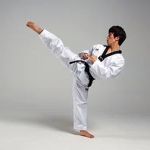 How to Execute a Jumping Roundhouse Kick to the Head
 How to Execute a Double Kick Combination in Sparring
 How to Perform a Flawless Axe Kick: A Step-by-Step Guide
 DIY Tae Kwon Do Training Equipment for Home Practice
 How to Increase Your Vertical Jump for Tae Kwon Do Flying Kicks
 The History of the Tae Kwon Do Peace Corps