
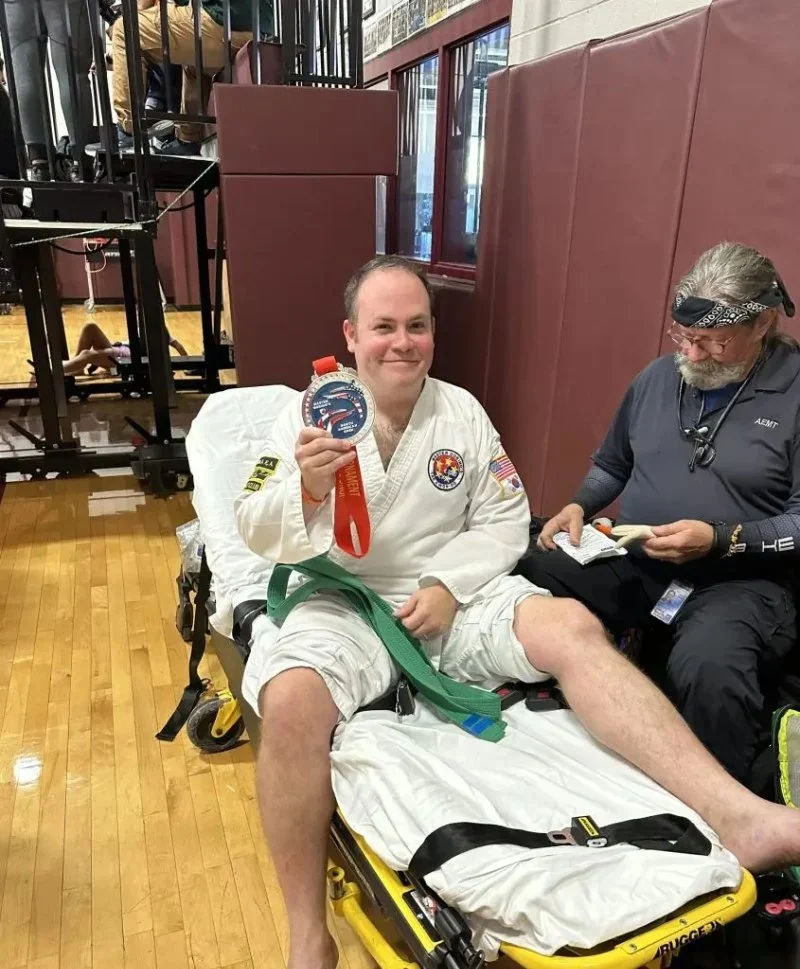
Safe Recovery Steps After a Concussion From Tae Kwon Do Sparring
- understanding-tae-kwon-do-concussions
- recognizing-concussion-symptoms
- safe-recovery-process
- returning-to-tae-kwon-do-training
- preventing-future-sparring-injuries
Understanding a Concussion Sustained During Tae Kwon Do Sparring
Tae Kwon Do is a martial art built on discipline, speed, technique, and control. Sparring is one of the most exciting parts of training because it allows practitioners to apply their skills in a realistic environment. However, even with protective equipment and safety rules, accidental impacts can happen. A powerful kick, an unexpected collision, or a fall after losing balance may result in a concussion.
Learning how to recover from a concussion sustained during Tae Kwon Do sparring safely is essential for athletes of every level. Whether you are a beginner preparing for your first competition or an experienced martial artist training several times a week, understanding concussion recovery can protect your long-term health and help you return to the sport you love.
A concussion is a type of mild traumatic brain injury caused by a sudden movement or impact that affects how the brain functions. It does not always involve a loss of consciousness, and many athletes mistakenly believe they are fine because they can still walk, talk, or continue training. This misunderstanding can lead to returning too quickly and increasing the risk of a longer recovery.
Budo Martial Arts Studio / budo martial arts studio
Ewing TownshipMercer CountyNew Jersey
9 Scotch Rd, Ewing Township, NJ 08628, USA
Why Tae Kwon Do Sparring Can Lead to Head Injuries
Although Tae Kwon Do emphasizes controlled techniques, sparring involves fast movements and unpredictable situations. Several scenarios can contribute to concussion risks:
1. High-speed kicks: Tae Kwon Do athletes are trained to generate explosive power. Even a controlled kick can create significant force if it connects unexpectedly with the head or causes rapid movement of the neck.
2. Accidental collisions: During sparring, two athletes may move at the same time and collide. A clash of heads or an awkward fall can create enough force to affect brain function.
3. Loss of balance: A missed kick, defensive movement, or blocked attack may cause an athlete to fall. The impact from hitting the floor can sometimes cause concussion symptoms even without a direct strike.
Experienced instructors understand these risks and focus on proper technique, control, and sportsmanship. Training environments that prioritize safety help reduce injuries while allowing students to improve their skills.
Champions Martial Arts Plainview / champions martial arts plainview
PlainviewNassau CountyNew York
10 Washington Ave, Plainview, NY 11803, USA
Recognizing Concussion Symptoms After Martial Arts Training
One of the biggest challenges with concussions is that symptoms may not appear immediately. Some athletes feel normal right after an impact but develop problems hours later. This is why understanding concussion symptoms after Tae Kwon Do sparring is so important.
Common Physical Symptoms
Physical signs of a concussion may include:
1. Headache or pressure in the head
2. Dizziness or balance problems
3. Nausea or vomiting
4. Sensitivity to light or noise
5. Blurred vision
6. Unusual tiredness
These symptoms should not be ignored, especially after receiving a strike during sparring. Continuing intense physical activity while experiencing symptoms can delay recovery.
Mental and Emotional Changes
A concussion can also affect concentration, memory, and mood. Some athletes notice:
1. Difficulty focusing on school, work, or daily activities
2. Feeling unusually irritated or emotional
3. Slower thinking or confusion
4. Problems remembering what happened during the training session
These changes can be frustrating for martial artists because Tae Kwon Do often becomes an important part of their identity and routine. However, patience during recovery is a necessary part of becoming a stronger athlete.
A Realistic Example From Training
Imagine a teenage Tae Kwon Do student preparing for a tournament. During a sparring session, the student receives an unexpected kick near the head. They feel slightly dizzy but decide to continue because they do not want to disappoint their coach.
Later that evening, they develop a headache and difficulty concentrating on homework. After speaking with a parent and medical professional, they learn that these symptoms are related to a concussion. Instead of returning immediately to training, they follow a gradual recovery plan.
This situation is common because many athletes underestimate injuries when they happen. The lesson is simple: listening to your body is not a sign of weakness. It is a sign of responsible athletic behavior.
How to Recover From a Concussion Sustained During Tae Kwon Do Sparring Safely
Safe concussion recovery requires balance. Complete inactivity for extended periods is usually not the goal, but returning to demanding activities too quickly can create problems. Recovery should be gradual and based on symptoms.
Step 1: Stop Sparring Immediately After Suspected Injury
The first step after a possible concussion is removing yourself from training. Continuing to spar after a head injury increases the chance of another impact before the brain has recovered.
A responsible martial artist understands that protecting health comes before winning a round or completing a workout.
Step 2: Seek Professional Medical Evaluation
A healthcare professional can evaluate symptoms, provide guidance, and determine the safest recovery approach. Medical assessment is especially important if symptoms worsen or include severe headache, confusion, repeated vomiting, unusual behavior, or loss of consciousness.
Every concussion is different. Some athletes recover quickly, while others need more time. Comparing your recovery timeline with another person's experience can create unrealistic expectations.
Step 3: Allow the Brain to Recover
During the early recovery period, athletes should reduce activities that make symptoms worse. This may include limiting:
1. Intense physical exercise
2. Long periods of screen use
3. Activities requiring heavy concentration
4. Situations with loud noise or bright lights
Quality sleep, proper nutrition, hydration, and stress management all support the body's natural healing process.
Step 4: Gradually Return to Physical Activity
A safe return-to-training process usually happens in stages. The athlete should only progress when symptoms remain controlled.
A general progression may include:
1. Light daily activities
2. Gentle aerobic exercise
3. Individual Tae Kwon Do movements without contact
4. Controlled technical drills
5. Limited sparring with safety precautions
6. Full training participation
If symptoms return during any stage, the athlete may need additional recovery time before progressing.
Returning to Tae Kwon Do Training After a Concussion
For many martial artists, the hardest part of concussion recovery is waiting. Tae Kwon Do requires consistent practice, and athletes may worry about losing skills or falling behind.
However, taking extra time to recover often helps athletes return stronger. A brain that has not fully healed is more vulnerable to additional injury.
Communicating With Your Instructor
A good instructor should know about your injury and help adjust your training plan. Open communication allows coaches to modify drills, reduce contact, and create a safer return process.
Martial arts culture is built on respect, and respecting your own health is part of that philosophy.
Improving Technique Before Returning to Contact
Recovery time can also become an opportunity to improve other areas of Tae Kwon Do. Athletes can focus on:
1. Footwork
2. Flexibility
3. Defensive positioning
4. Breathing techniques
5. Mental discipline
Many successful martial artists understand that progress is not always measured by how hard you train. Sometimes progress comes from learning when to slow down.
Preventing Future Tae Kwon Do Sparring Injuries
While no sport can completely eliminate injury risk, smart preparation can reduce the chances of concussions and other problems.
Use Proper Protective Equipment
Protective gear such as approved headgear, chest protectors, mouthguards, and appropriate sparring equipment can help reduce injury severity. Equipment should fit correctly and be maintained regularly.
Develop Better Sparring Awareness
Many injuries happen because athletes become overly aggressive or lose control. Effective sparring is not about using maximum power. It is about timing, accuracy, respect, and learning.
Train With a Safety-Focused School
The quality of your training environment matters. A strong Tae Kwon Do school teaches students how to compete while maintaining control and protecting training partners.
For martial artists looking for training resources, equipment guidance, and Tae Kwon Do-related information, Jeuns TKD Hub provides helpful options for improving your martial arts journey safely.
Building a Long-Term Approach to Martial Arts Health
Tae Kwon Do is a lifelong practice that develops confidence, discipline, and physical ability. Protecting your brain health allows you to continue enjoying martial arts for many years.
A concussion does not mean the end of your training journey. With proper care, patience, and a responsible return plan, most athletes can safely return to the sport they enjoy.
The most important lesson for every martial artist is simple: strength is not only shown by pushing harder. True strength comes from making smart decisions, respecting your body, and preparing for a healthier future in Tae Kwon Do.

 Aikido of San Jose4.0 (7 reviews)
 Nikko Jujitsu School4.0 (9 reviews)
 Gracie Barra San Clemente Martial Arts4.0 (47 reviews)
 Karate Institute of America4.0 (4 reviews)
 Keweenaw Korean Martial Arts0.0 (0 reviews)
 Wing Chun School of Internal Arts5.0 (6 reviews)
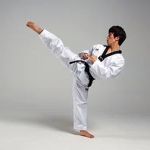 How to Execute a Jumping Roundhouse Kick to the Head
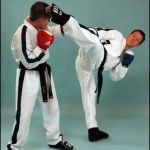 How to Execute a Double Kick Combination in Sparring
 How to Perform a Flawless Axe Kick: A Step-by-Step Guide
 DIY Tae Kwon Do Training Equipment for Home Practice
 How to Increase Your Vertical Jump for Tae Kwon Do Flying Kicks
 The History of the Tae Kwon Do Peace Corps