
- 1 - The Benefits of At-Home Tae Kwon Do Training
- 2 - Warm-Up and Mobility Exercises
- 3 - Striking and Kicking Drills
- 4 - Balance and Flexibility Training
- 5 - Strength and Endurance Workouts
- 6 - Footwork and Movement Patterns
- 7 - Combination Drills and Self-Defense Practice
- 8 - Mental Focus and Discipline
- 9 - Real-Life Practitioner Experiences
- 10 - Safety Tips and Equipment Recommendations
1. The Benefits of At-Home Tae Kwon Do Training
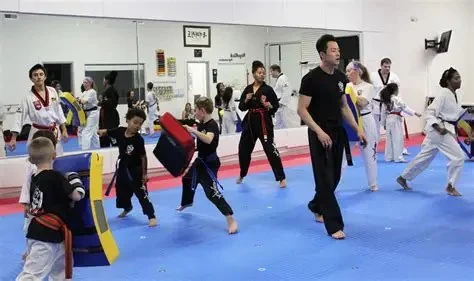
Practicing Tae Kwon Do outside of formal classes offers numerous benefits. It allows students to reinforce techniques, build strength, and maintain conditioning between classes. Regular at-home practice accelerates skill acquisition, improves muscle memory, and boosts confidence.
Furthermore, training at home provides flexibility in scheduling, allowing for consistent practice without the constraints of class timings.
Budo Martial Arts Studio / budo martial arts studio
Ewing TownshipMercer CountyNew Jersey
9 Scotch Rd, Ewing Township, NJ 08628, USA
1.1 Skill Reinforcement
Repetition is key in martial arts. At-home drills allow students to focus on specific kicks, punches, and forms (poomsae), ensuring precise execution and gradual improvement.
Champions Martial Arts Plainview / champions martial arts plainview
PlainviewNassau CountyNew York
10 Washington Ave, Plainview, NY 11803, USA
1.2 Physical Conditioning
Regular practice improves cardiovascular endurance, muscular strength, and flexibility, all of which contribute to better performance during class and sparring sessions.
2. Warm-Up and Mobility Exercises
Proper warm-up is essential to prevent injuries and prepare the body for Tae Kwon Do training.
2.1 Dynamic Stretching
Leg swings, arm circles, and torso rotations increase blood flow and prepare joints for movement. Dynamic stretches enhance flexibility while activating muscles for kicking and striking.
2.2 Joint Mobility Drills
Rotate ankles, knees, hips, and shoulders to ensure full range of motion. These exercises improve kicking height and striking accuracy.
3. Striking and Kicking Drills
Refining strikes and kicks is central to Tae Kwon Do mastery.
3.1 Shadow Kicking
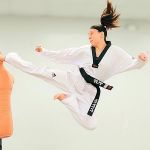
Practice front kicks, roundhouse kicks, and side kicks without a partner. Focus on form, balance, and extension. Slow, controlled movements develop precision before speed.
3.2 Bag Work or Target Pads
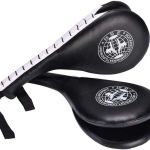
If available, heavy bags or striking pads can be used to practice power and accuracy. Target specific areas and simulate sparring conditions to reinforce proper technique.
3.3 Punch Combinations
Jab-cross hooks, palm strikes, and knife-hand strikes can be practiced repetitively to build coordination, speed, and power.
4. Balance and Flexibility Training
Balance and flexibility are crucial for high kicks and evasive movements.
4.1 Single-Leg Balance Drills
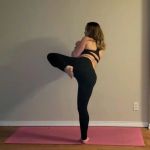
Stand on one leg and perform kicks or slowly rotate the torso. This improves stability and control during complex maneuvers.
4.2 Stretching Routines
Incorporate splits, hamstring stretches, and hip openers to increase kicking height and fluidity. Consistent flexibility training prevents injuries and enhances overall performance.
5. Strength and Endurance Workouts
Physical conditioning supports martial arts performance and injury prevention.
5.1 Bodyweight Exercises
Push-ups, squats, lunges, planks, and burpees improve core stability, leg strength, and upper body endurance.
5.2 Plyometric Drills
Jump squats, box jumps, and explosive lunges develop fast-twitch muscles needed for powerful strikes and high kicks.
5.3 Cardiovascular Conditioning
Jump rope, running, or interval sprints enhance stamina, ensuring consistent performance during extended training or sparring sessions.
6. Footwork and Movement Patterns
Efficient footwork is essential for positioning, attack, and defense.
6.1 Step-and-Shift Drills
Practice forward, backward, and lateral movements while maintaining stance integrity. Focus on smooth transitions and balance during directional changes.
6.2 Angle Changes
Move at various angles to simulate sparring scenarios. Pivoting and diagonal steps enhance evasive maneuvers and striking opportunities.
7. Combination Drills and Self-Defense Practice
Integrating strikes, kicks, and movement improves fluidity and real-world application.
7.1 Strike-Kick Combos
Combine punches with kicks in sequences to develop coordination, timing, and rhythm. Start slowly and gradually increase speed while maintaining technique.
7.2 Shadow Self-Defense
Visualize an opponent and practice blocking, countering, and escaping from various positions. This builds reflexes and situational awareness.
8. Mental Focus and Discipline
Martial arts training is as much mental as it is physical.
8.1 Visualization
Mentally rehearsing forms, techniques, and sparring scenarios strengthens memory and reaction time.
8.2 Mindfulness and Concentration
Breathing exercises, meditation, and focused repetition cultivate discipline and reduce distractions during training.
9. Real-Life Practitioner Experiences
Alex, a 16-year-old Tae Kwon Do student, supplemented weekly classes with at-home shadow kicking and strength drills. Over three months, his kicking height increased by 20% and sparring confidence improved significantly. Similarly, Mia, a beginner adult practitioner, combined flexibility routines and footwork drills at home, leading to noticeable improvements in her balance and poomsae execution.
10. Safety Tips and Equipment Recommendations
At-home training requires attention to safety to prevent injuries:
10.1 Proper Warm-Up and Cool-Down
Always begin with dynamic stretches and end with static stretches to reduce muscle strain and maintain flexibility.
10.2 Protective Gear
If practicing strikes on bags or pads, consider gloves, shin guards, and supportive footwear to protect joints and bones.
10.3 Training Space
Use a clear, non-slip area with sufficient room to move. Ensure adequate lighting and avoid hard or uneven surfaces that increase injury risk.
For detailed Tae Kwon Do drills, at-home training guides, and expert advice on improving technique, strength, and flexibility, Jeuns TKD Hub provides resources and equipment recommendations to help students train like pros outside of class.

 Aikido of San Jose4.0 (7 reviews)
 Nikko Jujitsu School4.0 (9 reviews)
 Gracie Barra San Clemente Martial Arts4.0 (47 reviews)
 Karate Institute of America4.0 (4 reviews)
 Keweenaw Korean Martial Arts0.0 (0 reviews)
 Wing Chun School of Internal Arts5.0 (6 reviews)
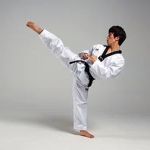 How to Execute a Jumping Roundhouse Kick to the Head
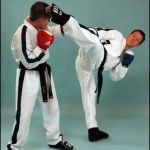 How to Execute a Double Kick Combination in Sparring
 How to Perform a Flawless Axe Kick: A Step-by-Step Guide
 DIY Tae Kwon Do Training Equipment for Home Practice
 How to Increase Your Vertical Jump for Tae Kwon Do Flying Kicks
 The History of the Tae Kwon Do Peace Corps