
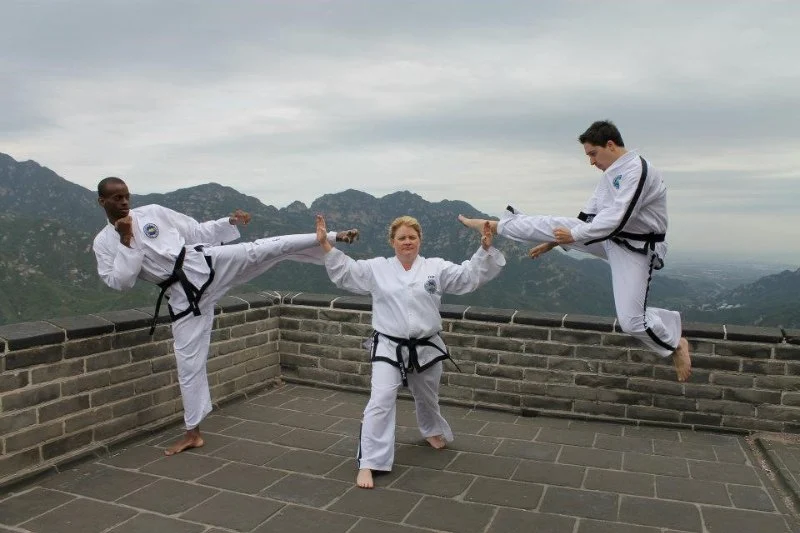
- indomitable-spirit-in-tae-kwon-do-training-meaning-understanding-core-philosophy
- mental-strength-and-resilience-in-taekwondo-practice-and-daily-life
- discipline-and-dojang-culture-how-taekwondo-builds-character
- real-life-stories-of-indomitable-spirit-in-martial-arts-training
- modern-relevance-of-taekwondo-philosophy-in-global-martial-arts
Indomitable Spirit in Tae Kwon Do Training: Understanding the Core Philosophy
At the heart of Tae Kwon Do lies something that cannot be measured in belts, trophies, or even physical ability. It is the concept of indomitable spirit—a mindset that refuses to break under pressure, fear, or failure. In traditional Korean martial arts philosophy, this idea is not an accessory to training; it is the foundation that everything else is built upon.
When beginners first enter a dojang, they often expect to focus on kicks, punches, and patterns. But very early on, instructors shift attention toward mental conditioning. The reason is simple: without a strong mind, technique collapses under stress. The philosophy of Tae Kwon Do indomitable spirit teaches students to keep standing even when the body is tired, the opponent is stronger, or the situation feels overwhelming.
This mindset is what transforms Tae Kwon Do from a sport into a lifelong discipline. It is also a core teaching approach supported by programs like Jeuns TKD Hub, where training emphasizes mental development alongside physical technique.

Paul Prendergast Karate / paul prendergast
Brick TownshipOcean CountyNew Jersey
950 Cedar Bridge Ave, Brick Township, NJ 08723, USA
Mental Strength and Resilience in Taekwondo Practice and Daily Life
One of the most powerful aspects of martial arts mindset training is how it carries over into everyday life. Students quickly learn that Tae Kwon Do is not just something practiced in uniform—it becomes a mental framework for handling challenges outside the dojang.
For example, a student preparing for a belt promotion may fail multiple attempts before passing. Instead of seeing failure as defeat, they are taught to view it as part of the process. This repeated exposure to controlled adversity builds resilience. Over time, that same mindset applies to academic pressure, workplace stress, and personal setbacks.
In one widely shared martial arts story from a U.S.-based dojang, a teenage student recovering from injury returned to training earlier than expected. He could not perform kicks fully, yet he continued attending class, focusing on upper-body techniques and forms. His instructor later said that his progress was not measured in physical performance, but in his refusal to quit. This is a textbook example of indomitable spirit in action.
The philosophy teaches that pain and difficulty are temporary, but character is permanent. That distinction is what separates casual practice from lifelong martial arts transformation.

Giordano's ATA Martial Arts / giordano's ata martial arts
MurrietaRiverside CountyCalifornia
24540 Village Walk Pl, Murrieta, CA 92562, USA
Discipline and Dojang Culture: How Taekwondo Builds Character
Inside a traditional dojang, structure is everything. From bowing upon entry to maintaining silence during instruction, every detail reinforces discipline. This environment is intentionally designed to shape behavior and mindset simultaneously.
Students learn early that respect is not optional. It is embedded into every interaction—with instructors, peers, and even training space. This cultural structure is not about strictness for its own sake; it is about building mental clarity and emotional control.
Within Tae Kwon Do philosophy, discipline is the gateway to freedom. When students no longer waste energy on distraction or hesitation, they gain control over both movement and thought. That control is essential when facing physically demanding sparring sessions or high-pressure grading tests.
Programs such as Jeuns TKD Hub often emphasize this structured environment to help students internalize discipline faster, ensuring that values learned in training become habits in daily life.
Real-Life Stories of Indomitable Spirit in Martial Arts Training
To understand indomitable spirit more deeply, it helps to look at real training experiences. One instructor from a long-established martial arts school in California once described a student who struggled significantly with coordination and balance during early training.
Rather than excelling quickly, the student consistently fell behind during group drills. However, instead of quitting, they arrived early every day to practice basic stances. After months of repetition, improvement became noticeable—not because talent suddenly appeared, but because persistence overcame limitation.
Eventually, that same student became one of the most consistent performers in the class, not due to natural ability, but due to mental endurance. This transformation is what Tae Kwon Do philosophy aims to cultivate: not perfection, but perseverance.
Another example comes from adult learners who return to martial arts after years away from physical training. Many expect difficulty, yet what surprises them most is not the physical challenge but the mental one. The process of rebuilding confidence becomes the real training ground.
These stories reflect a core truth: indomitable spirit is not dramatic or instant. It is built quietly through repetition, frustration, and continued effort.
Modern Relevance of Taekwondo Philosophy in Global Martial Arts
In today’s fast-paced world, martial arts philosophy is often overshadowed by fitness trends and competitive sports branding. However, Tae Kwon Do continues to stand out because it integrates mindset development as a core principle rather than an optional benefit.
Modern students are often dealing with stress, digital overload, and inconsistent routines. The structured discipline of Tae Kwon Do provides a counterbalance. It teaches presence, focus, and emotional control—skills increasingly rare in daily life.
Even competitive athletes in other sports now incorporate martial arts mindset training to improve focus under pressure. Coaches recognize that physical conditioning alone is not enough; mental resilience determines performance under stress.
This is where traditional philosophy meets modern application. The concept of indomitable spirit is no longer limited to martial arts—it has become a transferable life skill.
Training communities like Jeuns TKD Hub continue to adapt these principles for modern learners, ensuring that the philosophy remains relevant without losing its traditional roots.
Why the Philosophy Remains the Core of Tae Kwon Do Identity
Without indomitable spirit, Tae Kwon Do would be reduced to a set of physical techniques. With it, the discipline becomes a complete system of personal development.
The philosophy ensures that progress is not measured only by strength or speed, but by resilience, patience, and inner stability. It transforms training from an external activity into an internal journey.
Ultimately, what keeps practitioners committed is not just the desire to master kicks or forms, but the deeper understanding that they are training their character. That is why the philosophy of indomitable spirit remains central—not as tradition alone, but as a living, evolving guide for personal growth.


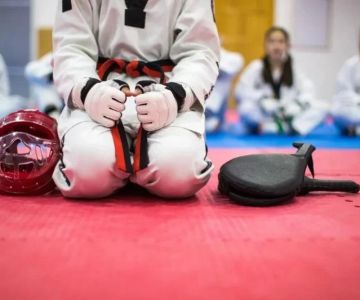
 Power Martial Arts and Fitness4.0 (27 reviews)
 Red Dragon Karate Montclair5.0 (28 reviews)
 Prime Taekwondo Lee's Summit Missouri4.0 (51 reviews)
 My Tactical Advantage LLC4.0 (48 reviews)
 ATA Bayonne Martial Arts4.0 (26 reviews)
 Soneca Martial Arts5.0 (8 reviews)
 How to Execute a Jumping Roundhouse Kick to the Head
 How to Execute a Double Kick Combination in Sparring
 How to Perform a Flawless Axe Kick: A Step-by-Step Guide
 DIY Tae Kwon Do Training Equipment for Home Practice
 How to Increase Your Vertical Jump for Tae Kwon Do Flying Kicks
 The History of the Tae Kwon Do Peace Corps