
- - Understanding the Jump Front Kick
- - Importance of Teaching Acrobatics to Kids
- - Physical Benefits of the Jump Front Kick
- - Psychological and Cognitive Benefits
- - Step-by-Step Approach to Teaching
- - Common Mistakes and How to Avoid Them
- - Real-Life Success Stories
- - Progressing to Advanced Techniques
- - Safety Measures and Equipment
- - How Parents and Instructors Can Support
- - Enhancing Confidence and Motivation
- - Training Frequency and Consistency
- - Integration into Full Taekwondo Programs
Understanding the Jump Front Kick
The jump front kick is a fundamental acrobatic technique in martial arts, especially in Taekwondo. This technique involves launching the body off the ground while extending one leg to strike an imaginary target. For children, it provides an engaging way to practice coordination, timing, and spatial awareness.
Instructors often emphasize the jump front kick early in training because it combines elements of basic kicks with controlled aerial motion. This makes it both visually exciting and effective in developing foundational martial arts skills.
Beyond its physical execution, mastering the jump front kick also encourages children to respect discipline and timing, essential elements in any martial art.
Importance of Teaching Acrobatics to Kids
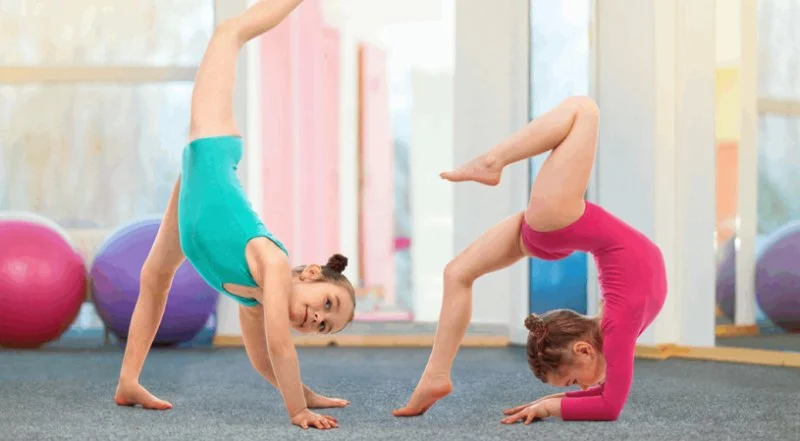
Acrobatics in martial arts for children serves multiple purposes. First, it introduces physical challenges in a safe, structured environment. Learning jumps, kicks, and flips builds strength and flexibility. Additionally, it cultivates problem-solving skills as kids learn to plan and execute complex movements.
By starting with a jump front kick, instructors can gradually introduce more complex acrobatic techniques. Children gain confidence from accomplishing each movement, which motivates them to continue learning.
Physical Benefits of the Jump Front Kick
1. Balance and Coordination
Executing a jump front kick requires maintaining balance while airborne. Children must coordinate their legs, arms, and core muscles to land safely, which strengthens overall body control.
2. Strength and Flexibility
Jumping and kicking exercises the legs, hips, and core. Over time, children develop muscle tone, joint flexibility, and improved posture.
3. Agility and Timing
The jump front kick encourages children to time their jumps accurately, enhancing reflexes and reaction times that are beneficial in both martial arts and everyday activities.
Psychological and Cognitive Benefits
1. Confidence Building
Learning to execute a jump front kick successfully gives children a sense of achievement. Mastering this technique fosters self-esteem, encouraging them to attempt more challenging movements.
2. Focus and Concentration
Children must pay attention to their body positioning, landing, and target, which enhances cognitive skills such as focus, attention to detail, and memory.
3. Risk Assessment and Resilience
Practicing acrobatics safely teaches children to evaluate risks, manage fear, and persist despite initial failures.
Step-by-Step Approach to Teaching
Step 1: Warm-Up
Start with dynamic stretches, jumping jacks, and leg swings to prepare muscles and joints.
Step 2: Basic Kick Drills
Before jumping, ensure children can execute a standard front kick with proper form and balance.
Step 3: Small Jumps
Introduce mini-jumps while performing front kicks, gradually increasing height as confidence grows.
Step 4: Combine Jump and Kick
Once ready, children perform a jump front kick, focusing on controlled landing and correct leg extension.
Step 5: Reinforce and Reward
Provide feedback, celebrate improvements, and encourage repeated practice in a fun, motivating way.
Common Mistakes and How to Avoid Them
Poor Balance
Children often lean backward or forward mid-air. Encourage engaging core muscles and looking forward to maintain posture.
Improper Foot Position
Striking with the wrong part of the foot reduces effectiveness. Emphasize using the ball of the foot and proper toe alignment.
Unsafe Landing
Landing incorrectly can lead to injuries. Teach children to bend knees and distribute weight evenly to minimize impact.
Real-Life Success Stories
At Jeuns TKD Hub, many young students have reported dramatic improvements in confidence and agility after learning the jump front kick. One seven-year-old student, initially timid and hesitant, became one of the most active participants after mastering this technique, showing how a simple foundational move can transform a child's approach to martial arts.
Progressing to Advanced Techniques
After mastering the jump front kick, children can safely progress to spins, side kicks, and combination acrobatics. Each new move builds on balance, timing, and confidence established by the jump front kick.
Safety Measures and Equipment
Safety is critical. Use padded mats, proper footwear, and protective gear. Instructors must supervise every session, especially during airborne techniques, to prevent falls and injuries.
How Parents and Instructors Can Support
Provide encouragement and consistent practice opportunities. Celebrate milestones, and ensure children have access to supportive environments. Instructors at Jeuns TKD Hub integrate games, partner drills, and structured progression to maintain engagement.
Enhancing Confidence and Motivation
Positive reinforcement is key. Reward children for successful attempts, effort, and improvement. This approach fosters intrinsic motivation and makes learning fun.
Training Frequency and Consistency
Consistent practice ensures skill retention. Short, regular sessions (2–3 times per week) are more effective for children than infrequent long sessions.
Integration into Full Taekwondo Programs
The jump front kick is not only a standalone skill but a gateway into more advanced Taekwondo training. Integrating it into full programs helps children understand timing, distance, and control, laying the foundation for future martial arts mastery.
Ultimately, the jump front kick is an ideal first acrobatic technique for kids because it combines physical, psychological, and cognitive benefits while being accessible and safe with proper guidance. For parents and instructors seeking further resources or training tips, Jeuns TKD Hub provides comprehensive guidance, equipment recommendations, and structured programs to help young martial artists succeed.




 Aikido of San Jose4.0 (7 reviews)
 Nikko Jujitsu School4.0 (9 reviews)
 Gracie Barra San Clemente Martial Arts4.0 (47 reviews)
 Karate Institute of America4.0 (4 reviews)
 Keweenaw Korean Martial Arts0.0 (0 reviews)
 Wing Chun School of Internal Arts5.0 (6 reviews)
 How to Execute a Jumping Roundhouse Kick to the Head
 How to Execute a Double Kick Combination in Sparring
 How to Perform a Flawless Axe Kick: A Step-by-Step Guide
 DIY Tae Kwon Do Training Equipment for Home Practice
 How to Increase Your Vertical Jump for Tae Kwon Do Flying Kicks
 The History of the Tae Kwon Do Peace Corps