
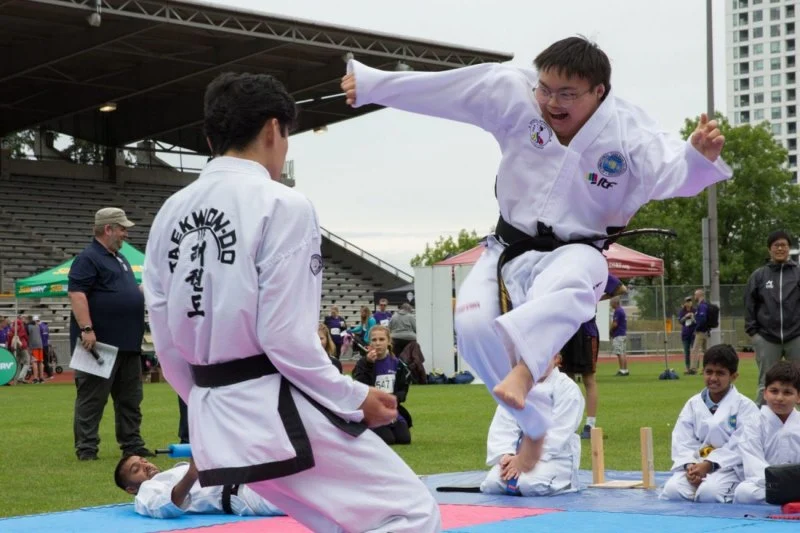
Understanding the Philosophy Behind Tae Kwon Do and Its Meaning
- 1. Philosophy of Tae Kwon Do
- 2. Core Principles of Tae Kwon Do
- 3. History and Origins of Tae Kwon Do
- 4. Practical Applications of Tae Kwon Do Philosophy in Daily Life
- 5. The Impact of Tae Kwon Do on Mental Health and Personal Growth
- 6. Why Choose Tae Kwon Do?
1. Philosophy of Tae Kwon Do
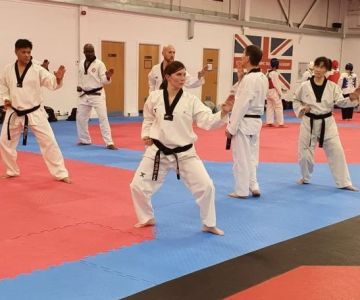
Tae Kwon Do is more than just a martial art; it is a philosophy that emphasizes self-improvement, respect, and discipline. Rooted in ancient Korean traditions, it focuses on both the physical and mental aspects of martial arts practice. The philosophy of Tae Kwon Do aims to foster inner strength, perseverance, and peace, making it not just a way of fighting but a way of life.

Budo Martial Arts Studio / budo martial arts studio
Ewing TownshipMercer CountyNew Jersey
9 Scotch Rd, Ewing Township, NJ 08628, USA
2. Core Principles of Tae Kwon Do
At the heart of Tae Kwon Do are five core principles that guide practitioners both inside and outside the dojang (training hall). These principles are central to the art’s philosophy, emphasizing mental clarity, respect, and physical ability.
Champions Martial Arts Plainview / champions martial arts plainview
PlainviewNassau CountyNew York
10 Washington Ave, Plainview, NY 11803, USA
2.1. Courtesy (Ye Ui)
Courtesy is one of the most important principles in Tae Kwon Do. Practitioners are taught to be respectful to their instructors, fellow students, and themselves. This principle extends beyond the dojo into everyday life, promoting kindness and politeness in all interactions.
2.2. Integrity (Yom Chi)
Integrity in Tae Kwon Do refers to the adherence to high moral standards. Practitioners are taught to act with honesty and fairness, both in their training and in their personal lives. This principle challenges students to avoid cheating and to be truthful in all circumstances.
2.3. Perseverance (In Nae)
Perseverance is about pushing through challenges and setbacks. Tae Kwon Do encourages practitioners to keep going despite obstacles. This mindset is cultivated through rigorous training and discipline, which is applied not only in martial arts but also in life’s challenges.
2.4. Self-Control (Guk Gi)
Self-control is a cornerstone of Tae Kwon Do. Students are trained to maintain control over their emotions, actions, and impulses. Whether in practice or in daily situations, mastering self-control leads to a calm and focused mind, essential for success in life.
2.5. Indomitable Spirit (Baekjul Boolgool)
The concept of an indomitable spirit refers to the resilience to never give up, no matter the difficulties. It encourages students to face challenges head-on, showing courage and determination to overcome any adversity that may come their way.
3. History and Origins of Tae Kwon Do
Tae Kwon Do has a rich history dating back to ancient Korea. It evolved from various martial arts forms such as Taekkyeon and Hwa Rang Do, blending these traditions with the values of Confucianism and Buddhism. Tae Kwon Do became a unified martial art in the 1950s, and since then, it has grown into a global discipline practiced by millions.
3.1. Influence of Ancient Korean Martial Arts
The roots of Tae Kwon Do can be traced back to the traditional Korean martial art of Taekkyeon, which emphasizes fluid movements and powerful kicks. These early forms of martial arts were used for self-defense and battlefield techniques, with a strong focus on striking techniques and physical conditioning.
3.2. Development in the 20th Century
In the mid-1900s, various Korean martial arts masters sought to modernize and formalize these techniques, combining them with philosophical teachings. This led to the development of the modern style of Tae Kwon Do, which quickly spread worldwide, becoming an Olympic sport in 2000.
4. Practical Applications of Tae Kwon Do Philosophy in Daily Life
The principles of Tae Kwon Do are not just limited to the practice of martial arts but can be applied to many areas of everyday life. Through the philosophy of Tae Kwon Do, practitioners learn to handle conflicts, make decisions, and live more harmoniously with others.
4.1. Conflict Resolution
One of the key aspects of Tae Kwon Do is learning to avoid unnecessary violence. The principles of self-control and courtesy encourage practitioners to resolve conflicts through dialogue and understanding, rather than through physical confrontation.
4.2. Mental Focus and Clarity
Tae Kwon Do encourages a clear and focused mind, which helps in decision-making and problem-solving. The discipline of martial arts requires concentration, which translates into better focus in work and daily tasks.
4.3. Stress Management
The meditative aspects of Tae Kwon Do, such as controlled breathing and mindful movements, help practitioners manage stress. These techniques promote mental clarity, reduce anxiety, and foster a peaceful mindset.
5. The Impact of Tae Kwon Do on Mental Health and Personal Growth
Beyond physical strength, Tae Kwon Do offers significant mental and emotional benefits. Many practitioners report improved self-esteem, confidence, and a sense of purpose as they progress in their training.
5.1. Boosting Confidence
As practitioners master new techniques and earn higher belts, their confidence grows. This self-assurance extends beyond the dojang, impacting their personal and professional lives.
5.2. Promoting Discipline and Consistency
Tae Kwon Do instills discipline in its students, teaching them to stay committed to their goals and work consistently toward self-improvement. This discipline fosters resilience, even in the face of adversity.
6. Why Choose Tae Kwon Do?
Whether you're looking for a new form of exercise, a way to learn self-defense, or a discipline that will improve your mental well-being, Tae Kwon Do is an excellent choice. The combination of physical conditioning, mental focus, and philosophical teachings makes Tae Kwon Do unique and accessible to people of all ages and fitness levels.
To explore Tae Kwon Do further and find the best resources and training opportunities, visit Jeuns TKD Hub for expert guidance, products, and services.


 Aikido of San Jose4.0 (7 reviews)
 Nikko Jujitsu School4.0 (9 reviews)
 Gracie Barra San Clemente Martial Arts4.0 (47 reviews)
 Karate Institute of America4.0 (4 reviews)
 Keweenaw Korean Martial Arts0.0 (0 reviews)
 Wing Chun School of Internal Arts5.0 (6 reviews)
 How to Execute a Jumping Roundhouse Kick to the Head
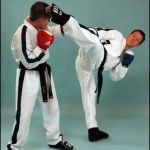 How to Execute a Double Kick Combination in Sparring
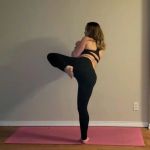 How to Perform a Flawless Axe Kick: A Step-by-Step Guide
 DIY Tae Kwon Do Training Equipment for Home Practice
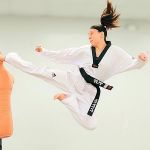 How to Increase Your Vertical Jump for Tae Kwon Do Flying Kicks
 The History of the Tae Kwon Do Peace Corps