
- The Importance of Respect in Tae Kwon Do
- The Role of Etiquette in Tae Kwon Do Training
- Respect in the Dojo: How It Shapes Behavior
- Developing Good Etiquette in Tae Kwon Do
- Benefits of Respect and Etiquette in Training
1. The Importance of Respect in Tae Kwon Do
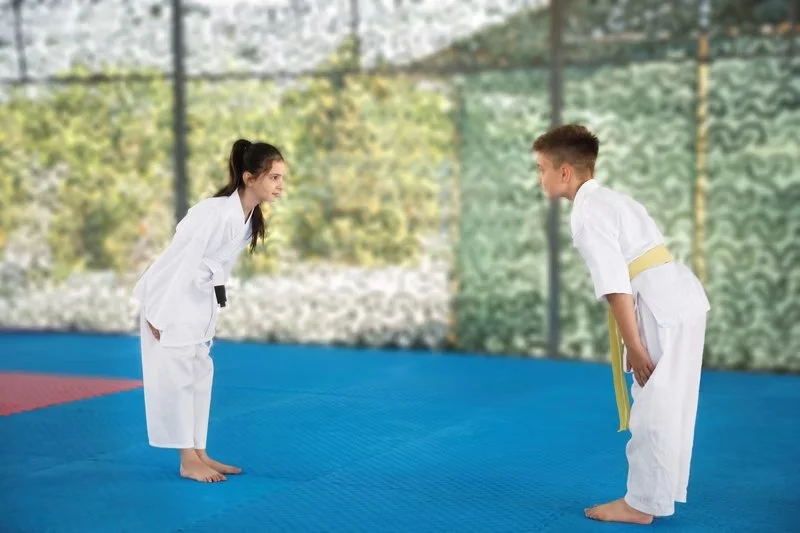
Respect is a foundational element of Tae Kwon Do and martial arts in general. It is more than simply following rules; respect is a mindset that guides your behavior toward others and influences how you approach training. In Tae Kwon Do, respect is shown through actions, words, and even your body language.
Respecting your instructors, training partners, and the martial art itself is vital for personal growth and improvement. It encourages humility, discipline, and a sense of responsibility within the practice. Whether you're bowing to your instructor, maintaining good posture, or showing courtesy during sparring, respect is the cornerstone of your development as a martial artist.
Budo Martial Arts Studio / budo martial arts studio
Ewing TownshipMercer CountyNew Jersey
9 Scotch Rd, Ewing Township, NJ 08628, USA
2. The Role of Etiquette in Tae Kwon Do Training
Etiquette in Tae Kwon Do is the set of traditional behaviors and practices that help maintain order and harmony within the training environment. Etiquette guides how students interact with each other and sets expectations for behavior both inside and outside the dojo.
Champions Martial Arts Plainview / champions martial arts plainview
PlainviewNassau CountyNew York
10 Washington Ave, Plainview, NY 11803, USA
2.1. Basic Etiquette Practices in Tae Kwon Do
Some of the most fundamental aspects of etiquette in Tae Kwon Do include:
- Bowing: Students bow to their instructors, the flag, and their training partners as a sign of respect. The bow is a traditional gesture that symbolizes acknowledgment and gratitude.
- Addressing Instructors: In many martial arts schools, students are expected to address their instructors using honorific titles, such as “Master” or “Instructor.” This reinforces the teacher-student relationship and maintains respect within the dojo.
- Silence During Class: Maintaining focus during class is essential. Students are expected to listen attentively to instructions and avoid unnecessary talking or distractions.
- Proper Attire: Wearing the correct uniform and maintaining a clean appearance reflects respect for the art and the dojo.
2.2. Etiquette Beyond the Dojo
Respect and etiquette are not confined to the dojo. In fact, they extend into all aspects of a Tae Kwon Do practitioner’s life. Showing respect outside of training — whether in daily interactions with others or through a sense of personal responsibility — is key to embodying the true principles of Tae Kwon Do.
3. Respect in the Dojo: How It Shapes Behavior
In the dojo, respect is more than just a formality — it plays a pivotal role in shaping the environment in which martial artists train. Here’s how respect contributes to the overall dojo experience:
3.1. Building a Positive Learning Environment
When respect is present, it creates a positive atmosphere conducive to learning. Students are more likely to be open to feedback, ask questions, and support one another. This type of environment is essential for everyone’s growth in Tae Kwon Do.
3.2. Promoting Cooperation Over Competition
Respect fosters cooperation among students, helping them learn from one another. While sparring and competition are important, respect ensures that everyone’s safety and well-being come first. It promotes the idea of mutual growth rather than only individual victory.
3.3. Encouraging Discipline and Self-Control
In Tae Kwon Do, students learn not only how to kick and punch but also how to control their impulses. Respect for the instructor, for fellow students, and for the art itself teaches discipline. It encourages students to act thoughtfully, whether executing a move or in everyday interactions.
4. Developing Good Etiquette in Tae Kwon Do
Developing good etiquette takes time and conscious effort. Here are a few steps to help cultivate better etiquette as you train in Tae Kwon Do:
4.1. Lead by Example
In the dojo, students look to their instructors and senior practitioners for guidance. By setting a good example, senior students can demonstrate respect and proper behavior to others. Always be on time, maintain a positive attitude, and show humility in your interactions with others.
4.2. Practice Active Listening
One key component of respect is the ability to listen attentively. Instructors appreciate students who ask thoughtful questions and pay attention to instructions. Active listening helps you improve faster and shows that you respect the instructor's expertise.
4.3. Be Humble
Humility is another important aspect of etiquette. It’s easy to get caught up in the pursuit of belts and trophies, but the true value of Tae Kwon Do lies in the journey, not just the destination. Show respect for others regardless of their skill level or rank.
5. Benefits of Respect and Etiquette in Training
Respect and etiquette contribute greatly to a student’s progress and overall experience in Tae Kwon Do. Some of the key benefits include:
5.1. Enhanced Learning
When students respect their instructors and fellow practitioners, they are more likely to be receptive to teaching and feedback. This fosters a growth mindset, leading to quicker improvements in technique and understanding.
5.2. Stronger Relationships
Respectful behavior builds strong, supportive relationships within the Tae Kwon Do community. Students who practice good etiquette often form bonds with others that extend beyond the dojo, creating a positive social environment.
5.3. Personal Growth
Practicing respect and good etiquette helps students grow not just as martial artists, but as individuals. These principles instill values like discipline, humility, and self-control, which are beneficial both inside and outside the dojo.
For more information on how to improve your Tae Kwon Do practice, visit Jeuns TKD Hub, where we offer a range of products and services to help support your martial arts journey.


 Aikido of San Jose4.0 (7 reviews)
 Nikko Jujitsu School4.0 (9 reviews)
 Gracie Barra San Clemente Martial Arts4.0 (47 reviews)
 Karate Institute of America4.0 (4 reviews)
 Keweenaw Korean Martial Arts0.0 (0 reviews)
 Wing Chun School of Internal Arts5.0 (6 reviews)
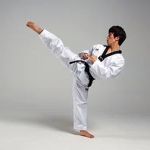 How to Execute a Jumping Roundhouse Kick to the Head
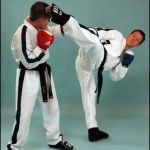 How to Execute a Double Kick Combination in Sparring
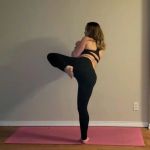 How to Perform a Flawless Axe Kick: A Step-by-Step Guide
 DIY Tae Kwon Do Training Equipment for Home Practice
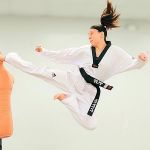 How to Increase Your Vertical Jump for Tae Kwon Do Flying Kicks
 The History of the Tae Kwon Do Peace Corps