
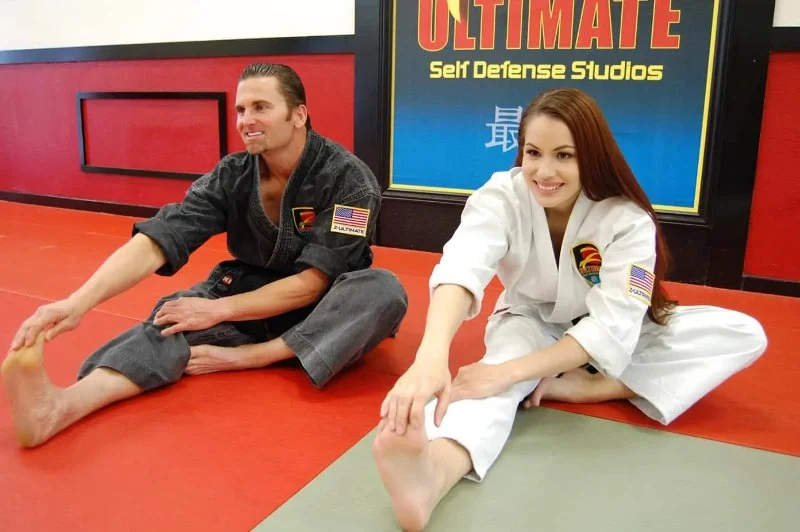
- Understanding role models in martial arts hierarchy - belt rank influence and structure
- Psychological motivation from higher belt practitioners - mindset shaping and emotional impact
- Learning through observation - how students absorb discipline and technique
- Identity formation in Taekwondo training - confidence, resilience, and discipline
- Real training stories and student transformation examples
- Mistakes beginners make without mentorship guidance
- The emotional connection between students and senior martial artists
- How higher belt role models influence long-term commitment
- Modern martial arts culture and mentorship evolution in dojangs
- Expert insights from Jeuns TKD Hub on building stronger training environments
Understanding Role Models in Martial Arts Hierarchy
In martial arts, particularly in structured systems like Taekwondo, belt ranks are more than symbols of technical progression—they represent psychological milestones. Higher belt ranks naturally become role models for lower-ranking students, shaping behavior, discipline, and long-term motivation.
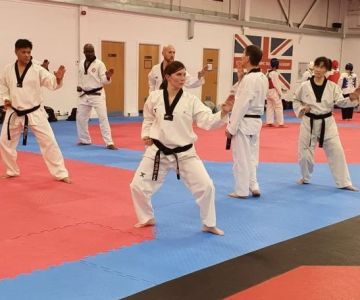
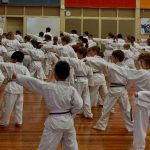
Within a dojang, students often look to black belts or advanced color belts as living examples of what consistent training can achieve. This hierarchy creates a built-in mentorship system where learning happens not only through instruction but also through observation.
The presence of a strong role model in martial arts environments significantly influences how beginners perceive their own journey. Instead of viewing training as isolated effort, they begin to see it as a structured path already successfully traveled by others.
Budo Martial Arts Studio / budo martial arts studio
Ewing TownshipMercer CountyNew Jersey
9 Scotch Rd, Ewing Township, NJ 08628, USA
Psychological Motivation From Higher Belt Practitioners
One of the most powerful psychological benefits of having a role model in martial arts is motivation through proximity. When students regularly train alongside higher belt practitioners, they are constantly reminded that progress is achievable.
This form of motivation is different from abstract encouragement. It is visual, consistent, and emotionally grounded. Seeing a senior student perform complex forms or sparring with control creates a mental blueprint for success.
In many Taekwondo schools, students report that watching black belts train intensively during warm-ups or demonstrations increases their own training intensity. This phenomenon is rooted in social learning theory, where behavior is learned through observation rather than instruction alone.
Champions Martial Arts Plainview / champions martial arts plainview
PlainviewNassau CountyNew York
10 Washington Ave, Plainview, NY 11803, USA
Learning Through Observation in Training Environments
Observation is a silent but powerful learning tool in martial arts. Beginners often learn stance control, timing, and discipline simply by watching higher-ranked students execute techniques repeatedly.
This process reduces cognitive overload. Instead of focusing solely on verbal instructions, students internalize movement patterns visually. Over time, these observed behaviors become part of muscle memory during practice.
A junior student in a Chicago Taekwondo academy once shared that they improved their spinning kick not from direct correction, but from repeatedly watching a senior belt execute it during sparring sessions. This highlights the subtle but powerful role of visual learning.
Identity Formation in Taekwondo Training
Higher belt role models contribute significantly to identity development. For many students, martial arts is not just a physical activity but a personal transformation process.
When beginners observe disciplined black belts demonstrating respect, control, and humility, they begin to internalize those traits as part of their own identity goals. This shift is crucial in long-term retention and commitment.
Psychologically, this process builds resilience. Students are more likely to push through challenges when they see others who have already overcome similar struggles.
Real Training Stories and Student Transformation Examples
In a Taekwondo school in California, a teenage student struggling with consistency found motivation after training alongside a group of junior black belts. Initially hesitant, the student began attending classes more regularly after observing their discipline and focus.
Within six months, noticeable improvement occurred not only in technique but also in confidence and classroom behavior outside the dojang. The student later credited their transformation to the influence of senior belt role models rather than direct instruction alone.
Another example comes from a community martial arts program in Texas where younger students were paired with assistant instructors. This structured mentorship system significantly reduced dropout rates, demonstrating how powerful role modeling can be in maintaining engagement.
Mistakes Beginners Make Without Mentorship Guidance
Without access to strong role models, beginners often struggle with inconsistency and unrealistic expectations. Many assume rapid progress should occur within weeks, leading to frustration and early dropout.
Another common mistake is focusing exclusively on technique without understanding discipline and mindset. Higher belt role models help correct this imbalance by demonstrating that martial arts is as much mental as it is physical.
In environments lacking mentorship, students may also develop poor habits that become harder to correct later. This highlights the importance of structured guidance from experienced practitioners.
The Emotional Connection Between Students and Seniors
The relationship between lower and higher belt practitioners often evolves beyond technical instruction. It becomes emotional and motivational. Students begin to associate senior belts with trust, guidance, and stability.
This emotional connection strengthens retention. Students are more likely to remain committed when they feel supported by someone who has already walked the path they are on.
In many dojangs, this bond is reinforced through partner drills, mentoring sessions, and shared training goals. Over time, it builds a culture of mutual respect and shared growth.
How Higher Belt Role Models Influence Long-Term Commitment
Long-term commitment in martial arts is often driven by visible progression. When students see others advance through belt ranks, it reinforces the belief that their own progress is achievable.
Higher belt practitioners act as living proof of success. Their presence reduces dropout rates and encourages sustained training over years rather than months.
This is especially important in Taekwondo, where achieving black belt status requires persistence and mental endurance. Without role models, this long journey can feel abstract and discouraging.
Modern Martial Arts Culture and Mentorship Evolution
Today’s martial arts schools are increasingly structured around mentorship systems. Many dojangs now assign assistant instructors or senior students to guide beginners during training sessions.
This evolution reflects a deeper understanding of psychological learning. Instead of relying solely on master-level instruction, schools distribute leadership among higher belt ranks to create more accessible role models.
This structure not only benefits beginners but also helps advanced students reinforce their own knowledge by teaching others, strengthening the entire training ecosystem.
Expert Insights from Jeuns TKD Hub: Building Stronger Training Environments
Jeuns TKD Hub emphasizes that the presence of role models at higher belt ranks is one of the most important psychological assets in martial arts education. It transforms training from isolated effort into a shared developmental journey.
Instructors are encouraged to actively cultivate mentorship relationships within their schools. This includes pairing beginners with advanced students, encouraging demonstration-based learning, and fostering a culture of respect and observation.
When properly implemented, this system not only improves technical skill development but also enhances emotional resilience, discipline, and long-term engagement in martial arts practice.
Ultimately, the psychological benefits of having a role model in Taekwondo extend far beyond the dojang. They shape how individuals approach challenges, discipline, and personal growth in everyday life.


 Aikido of San Jose4.0 (7 reviews)
 Nikko Jujitsu School4.0 (9 reviews)
 Gracie Barra San Clemente Martial Arts4.0 (47 reviews)
 Karate Institute of America4.0 (4 reviews)
 Keweenaw Korean Martial Arts0.0 (0 reviews)
 Wing Chun School of Internal Arts5.0 (6 reviews)
 How to Execute a Jumping Roundhouse Kick to the Head
 How to Execute a Double Kick Combination in Sparring
 How to Perform a Flawless Axe Kick: A Step-by-Step Guide
 DIY Tae Kwon Do Training Equipment for Home Practice
 How to Increase Your Vertical Jump for Tae Kwon Do Flying Kicks
 The History of the Tae Kwon Do Peace Corps