

- gratitude-journal-training-mindset
- connection-between-gratitude-and-athletic-performance
- building-confidence-through-training-reflection
- reducing-training-stress-and-mental-pressure
- gratitude-journal-techniques-for-martial-artists
- real-training-stories-and-gratitude-practice
- using-gratitude-to-create-long-term-training-success
How Gratitude Journaling Can Strengthen Your Training Mindset
1. Why a Gratitude Journal Belongs in Your Training Routine
When people think about improving their training, they often focus on physical goals. They want faster kicks, stronger techniques, better flexibility, improved endurance, or higher competition results. However, one of the most overlooked areas of development is the mind.
The psychological benefits of keeping a gratitude journal related to training are becoming increasingly recognized by athletes, coaches, and martial artists who understand that performance is not only built through physical repetition. A strong mindset helps athletes stay consistent, recover from mistakes, handle pressure, and continue improving even when progress feels slow.
A gratitude journal is a simple practice where you regularly write down things you appreciate, lessons you learned, and positive moments from your training journey. For a martial artist, this could include being thankful for a supportive instructor, recognizing improvement in a difficult technique, appreciating your body's ability to train, or celebrating small victories that are easy to ignore.
Many students begin martial arts training with a specific goal, such as earning a new belt or winning a tournament. Over time, they discover that the deeper value comes from discipline, confidence, patience, and personal growth. A gratitude journal helps bring those benefits into focus.
1.1 Training Is More Than Physical Improvement
In disciplines such as Tae Kwon Do, progress can sometimes be difficult to measure. A student may practice the same kick hundreds of times without immediately seeing improvement. During these periods, frustration can replace motivation.
Gratitude journaling changes the way athletes view their progress. Instead of only asking, "Why am I not better yet?" they begin asking, "What have I improved today?" This small mental shift creates a healthier relationship with training.
For students looking to develop both physical skills and mental discipline, resources and training guidance from Jeuns TKD Hub can help create a balanced approach that values personal development alongside technical growth.
2. The Connection Between Gratitude and Better Athletic Performance
Sports psychology has shown that an athlete's emotional state can influence performance. Confidence, focus, motivation, and resilience all play important roles during training and competition.
The psychological benefits of a gratitude journal for athletes come from developing awareness of positive experiences. Instead of allowing negative thoughts to dominate after a difficult session, athletes learn to recognize progress and maintain a constructive mindset.
2.1 Improving Focus During Training Sessions
Modern athletes often deal with distractions. School, work responsibilities, social media, and personal stress can affect concentration. A gratitude journal creates a short moment of reflection before or after training.
Writing down positive experiences helps calm the mind and allows athletes to enter practice with greater awareness. For example, a martial artist might write:
"Today I struggled with my spinning kick, but I stayed patient and my balance improved compared with last month."
This type of reflection reinforces attention on improvement rather than failure.
2.2 Increasing Motivation During Difficult Periods
Every athlete experiences moments when motivation decreases. A student may feel tired, lose confidence after making mistakes, or compare themselves negatively with more experienced teammates.
A gratitude journal provides evidence of progress. Looking back at previous entries reminds athletes how far they have come. A beginner who once struggled with basic movements may realize that months later they can perform techniques they thought were impossible.
This emotional connection to progress can become a powerful source of motivation.
3. Building Confidence Through Training Reflection
Confidence is not created only by winning competitions or achieving advanced ranks. True confidence comes from recognizing effort, accepting challenges, and understanding personal growth.
Many martial artists underestimate small improvements. They may focus only on mistakes during practice and ignore the fact that they are stronger, faster, and more skilled than they were before.
3.1 Recognizing Small Wins
A gratitude journal encourages athletes to celebrate small achievements. These achievements may include:
- Successfully completing a difficult combination
- Showing better discipline during practice
- Helping another student improve
- Maintaining focus during a challenging session
- Returning to training after an injury or setback
These moments create a positive training identity. Instead of seeing themselves as someone who is constantly trying to improve, athletes begin seeing themselves as people who are already improving.
3.2 Developing a Growth Mindset
A growth mindset means believing abilities can develop through effort and learning. Gratitude supports this mindset because it encourages athletes to appreciate the process rather than only the outcome.
A student with a fixed mindset may think, "I am not naturally good at this kick." A student practicing gratitude may think, "I am grateful that I have the opportunity to practice this kick and improve step by step."
This difference can completely change long-term success.
4. How Gratitude Journaling Reduces Training Stress
Training is rewarding, but it can also create pressure. Competitive athletes may worry about performance expectations, rankings, or disappointing coaches and teammates.
The psychological benefits of keeping a gratitude journal related to training include better emotional regulation. By regularly focusing on positive aspects of training, athletes can reduce the impact of negative thoughts.
4.1 Managing Fear of Failure
Fear of failure is common in martial arts. Students may hesitate before attempting advanced techniques because they worry about making mistakes.
Gratitude helps shift attention away from fear. Instead of thinking only about possible failure, athletes recognize the value of having the chance to learn.
A failed attempt becomes a valuable training experience rather than proof of inability.
4.2 Creating Emotional Balance
Athletes naturally experience ups and downs. Some days feel successful, while others feel frustrating. A gratitude journal creates balance by reminding athletes that one difficult day does not define their entire journey.
This emotional stability is especially valuable in martial arts, where patience and discipline are essential qualities.
5. Practical Gratitude Journal Methods for Martial Artists
Starting a gratitude journal does not require complicated techniques. The most important factor is consistency.
5.1 The Three-Minute Training Reflection
After each training session, spend three minutes writing:
- One thing you improved today
- One person or experience you appreciate
- One goal you want to continue working toward
This simple routine can create meaningful changes over time.
5.2 Combining Gratitude With Goal Setting
Gratitude and ambition work well together. Being thankful does not mean becoming satisfied with staying the same. Instead, it creates a positive foundation for future improvement.
For example:
"I am grateful for my coach's feedback today. I will use that advice to improve my footwork during the next training session."
This approach connects appreciation with action.
5.3 Recording Lessons From Challenges
Difficult moments often provide the greatest lessons. A useful journal entry does not need to describe only positive events. It can also recognize what challenges teach you.
Examples include:
"I struggled during sparring today, but I learned that I need better defensive timing."
"I felt nervous before testing, but I learned that preparation helps control anxiety."
6. How Gratitude Changed the Training Experience of Athletes
Many athletes have discovered that mental training practices can transform their approach to competition and practice.
Consider a young Tae Kwon Do student preparing for a belt examination. At the beginning of training, the student focused only on mistakes. Every missed movement felt like failure.
After starting a gratitude journal, the student began writing about small improvements: better balance, stronger confidence, and encouragement from teammates. Months later, the student approached testing with a completely different attitude.
The biggest change was not only technical ability. The student became calmer, more confident, and more willing to face challenges.
6.1 Lessons From Professional Sports Psychology
Professional athletes often use visualization, reflection, and mental preparation techniques. Gratitude journaling follows the same principle: training the mind intentionally.
Physical skills require repetition. Mental skills require repetition too. A gratitude journal is simply another form of mental practice.
7. Creating a Stronger Future Through Gratitude and Discipline
Long-term training success depends on more than natural talent. Consistency, patience, and emotional strength often separate athletes who continue improving from those who quit.
The psychological benefits of keeping a gratitude journal related to training become more noticeable over time. A few minutes of reflection each day can improve motivation, confidence, and connection with the training process.
7.1 Making Gratitude Part of Your Martial Arts Lifestyle
Martial arts teaches respect, discipline, and self-improvement. Gratitude naturally supports these values.
When students appreciate their instructors, training partners, and personal progress, they create a healthier training environment. They become more open to learning and more willing to support others.
7.2 Continuing Your Mental and Physical Development
A complete martial arts journey includes both physical techniques and mental growth. Developing a gratitude habit can help students stay motivated through challenges and enjoy the process of becoming better.
Whether you are beginning your first martial arts class or preparing for advanced training goals, building positive habits can make a lasting difference. Explore more training resources, equipment guidance, and educational support through Jeuns TKD Hub to continue developing your skills and mindset.
Start your gratitude journal today and discover how a stronger mindset can transform your training experience. The journey toward improvement begins with recognizing the progress you are already making.
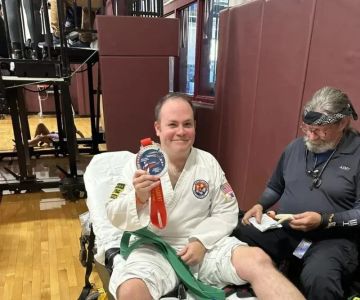
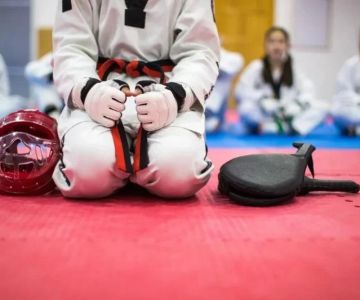
 Aikido of San Jose4.0 (7 reviews)
 Nikko Jujitsu School4.0 (9 reviews)
 Gracie Barra San Clemente Martial Arts4.0 (47 reviews)
 Karate Institute of America4.0 (4 reviews)
 Keweenaw Korean Martial Arts0.0 (0 reviews)
 Wing Chun School of Internal Arts5.0 (6 reviews)
 How to Execute a Jumping Roundhouse Kick to the Head
 How to Execute a Double Kick Combination in Sparring
 How to Perform a Flawless Axe Kick: A Step-by-Step Guide
 DIY Tae Kwon Do Training Equipment for Home Practice
 How to Increase Your Vertical Jump for Tae Kwon Do Flying Kicks
 The History of the Tae Kwon Do Peace Corps