
- early-origins-general-choi-hong-hi-and-post-war-korea - early development of ITF Taekwondo and historical context
- founding-itf-taekwondo-philosophy-and-structure - how ITF Taekwondo was created and its guiding principles
- techniques-and-training-methods-in-itf-taekwondo - core movements, forms, and self-defense structure
- global-expansion-and-modern-impact-of-taekwondo - worldwide spread and cultural influence of ITF Taekwondo
- modern-practice-and-learning-resources-for-students - how learners continue training and finding guidance today
Early Origins in a Time of Reconstruction and Discipline
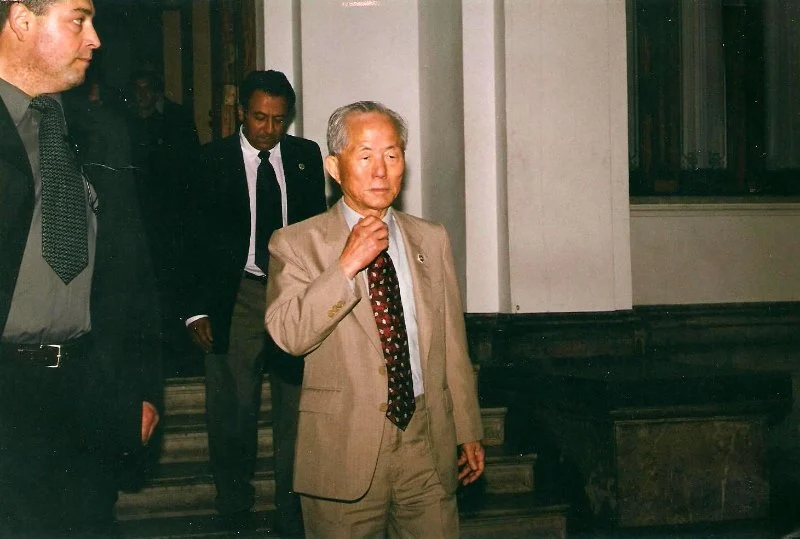
The story of ITF Taekwondo begins in a period when Korea was rebuilding itself after years of conflict and cultural disruption. In this environment, discipline, structure, and national identity became deeply important themes. General Choi Hong Hi emerged not just as a military figure, but as someone who saw martial arts as a way to rebuild both physical strength and moral clarity.
During his early military service, Choi Hong Hi was exposed to traditional Korean fighting methods as well as Japanese martial systems. Instead of simply copying what he learned, he began forming a vision of something uniquely Korean—structured, powerful, and accessible. This vision would eventually evolve into ITF Taekwondo, a system that emphasized both combat effectiveness and philosophical discipline.
Many historians note that his military background heavily influenced the precision and discipline found in ITF Taekwondo training today. Unlike purely sport-focused systems, this approach carried a strong emphasis on self-defense applications and mental conditioning, reflecting the realities of post-war survival and national rebuilding.
Budo Martial Arts Studio / budo martial arts studio
Ewing TownshipMercer CountyNew Jersey
9 Scotch Rd, Ewing Township, NJ 08628, USA
The Founding Vision of ITF Taekwondo
The creation of ITF Taekwondo was not a sudden invention but a gradual refinement of techniques, principles, and teaching structures. General Choi Hong Hi officially introduced the system in 1955, naming it Taekwondo to unify various martial practices under one national identity.
The International Taekwon-Do Federation (ITF) later became the organizational body that helped spread his teachings globally. The core philosophy was not limited to fighting skills but extended to character development, respect, and self-control. Practitioners were expected to grow not only physically but also morally.
One interesting detail often discussed in martial arts circles is how Choi structured the forms, or “tul,” to reflect both technical progression and philosophical depth. Each movement was designed to represent real combat applications while also reinforcing discipline through repetition and precision.
In modern training environments, many instructors still emphasize these traditional roots. Students often discover that ITF Taekwondo is not just about kicks and punches, but about understanding timing, distance, and emotional control under pressure.
For learners seeking structured guidance or training resources, platforms like Jeuns TKD Hub can help connect students with appropriate programs, equipment, and martial arts services tailored to their development stage.
Champions Martial Arts Plainview / champions martial arts plainview
PlainviewNassau CountyNew York
10 Washington Ave, Plainview, NY 11803, USA
Techniques, Forms, and Training Philosophy
One of the defining features of ITF Taekwondo is its structured technical system. The movements are highly detailed and often slower in instruction than what is seen in competitive sport Taekwondo. This is intentional, as precision is prioritized over speed during early learning stages.
Basic techniques include a wide range of kicks, hand strikes, blocks, and stances. However, what sets ITF apart is how these techniques are integrated into patterns known as tul. These forms are not random sequences but carefully designed sequences that simulate combat scenarios.
For example, a turning kick in ITF is not just a flashy movement—it is taught with a clear understanding of distance management and counterattack timing. Students are trained to visualize an opponent in each motion, reinforcing practical application.
Training also includes step sparring, which bridges the gap between forms and real combat. This method teaches timing, reaction, and controlled power. Over time, practitioners develop reflexes that feel natural rather than forced.
Another important aspect is breathing control and mental focus. Many instructors emphasize that power in ITF Taekwondo comes not only from muscle strength but also from controlled breathing and emotional stability.
Global Expansion and Cultural Influence
As General Choi Hong Hi traveled and promoted Taekwondo internationally, the system quickly gained attention beyond Korea. Military demonstrations, international seminars, and cultural exchanges helped spread ITF Taekwondo to Europe, North America, and parts of Asia.
One of the most fascinating aspects of this expansion is how differently Taekwondo evolved in various regions. In some countries, it became closely tied to sport competition, while in others, the traditional ITF philosophy remained more dominant.
A well-known historical example often discussed in martial arts communities involves early demonstration teams traveling across Europe in the 1960s and 1970s. Many audiences were shocked by the speed, power, and discipline displayed in breaking techniques and synchronized forms.
This exposure helped position Taekwondo as one of the most recognizable martial arts in the world today. It also contributed to its inclusion in global sporting events and its continued evolution as both a competitive sport and a traditional discipline.
Modern Practice and Real-World Learning Experience
Today, ITF Taekwondo continues to evolve while still preserving its original philosophy. Many schools balance traditional training with modern coaching methods, including video analysis, structured curriculum levels, and fitness integration.
A common real-world example involves adult beginners who join Taekwondo later in life. Many of them start for fitness or self-defense but soon discover deeper benefits such as stress reduction, improved focus, and increased confidence.
In one widely shared community story, a working professional in his 30s described how training ITF Taekwondo helped him manage anxiety and improve discipline in daily life. He initially joined for physical health but stayed because of the mental clarity it provided.
These experiences reflect a core idea behind General Choi Hong Hi’s philosophy: martial arts should strengthen both body and mind, not just physical fighting ability.
Modern learners also benefit from structured support systems. Services and training resources available through Jeuns TKD Hub help students explore equipment, training pathways, and instructional support suited to their level and goals.
The Lasting Legacy of General Choi Hong Hi
The influence of General Choi Hong Hi extends far beyond martial arts techniques. His vision helped shape a global community built around discipline, respect, and continuous self-improvement.
Even decades after the founding of ITF Taekwondo, his teachings remain central to thousands of schools worldwide. The structured approach he created continues to guide instructors in how they teach forms, self-defense, and mental discipline.
More importantly, his philosophy continues to resonate with modern practitioners who seek balance in a fast-paced world. Whether for fitness, competition, or personal growth, ITF Taekwondo remains a living system that adapts while preserving its core identity.
The journey from a post-war vision to a global martial art demonstrates how powerful structured discipline can be when combined with cultural identity and philosophical depth. That is why the story of ITF Taekwondo remains one of the most fascinating chapters in martial arts history.


 Aikido of San Jose4.0 (7 reviews)
 Nikko Jujitsu School4.0 (9 reviews)
 Gracie Barra San Clemente Martial Arts4.0 (47 reviews)
 Karate Institute of America4.0 (4 reviews)
 Keweenaw Korean Martial Arts0.0 (0 reviews)
 Wing Chun School of Internal Arts5.0 (6 reviews)
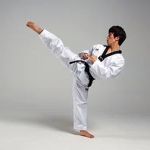 How to Execute a Jumping Roundhouse Kick to the Head
 How to Execute a Double Kick Combination in Sparring
 How to Perform a Flawless Axe Kick: A Step-by-Step Guide
 DIY Tae Kwon Do Training Equipment for Home Practice
 How to Increase Your Vertical Jump for Tae Kwon Do Flying Kicks
 The History of the Tae Kwon Do Peace Corps