
- 1. Why Cross-Training Is Beneficial for Tae Kwon Do
- 2. How Other Martial Arts Improve Tae Kwon Do
- 3. Examples of Martial Arts to Complement Tae Kwon Do
- 4. Real-Life Examples of Successful Cross-Training
- 5. How to Integrate Cross-Training into Your Tae Kwon Do Routine
- 6. Final Thoughts on Cross-Training for Tae Kwon Do
1. Why Cross-Training Is Beneficial for Tae Kwon Do
Tae Kwon Do is a dynamic martial art that emphasizes speed, power, and agility. However, no one martial art can provide all of the necessary physical and mental attributes needed to become a complete martial artist. Cross-training in other disciplines can fill in the gaps, enhancing your overall performance in Tae Kwon Do.
By incorporating movements and techniques from other martial arts, cross-training can improve your flexibility, balance, strength, and mental toughness. It also helps to break the monotony of practicing one style and provides new challenges, keeping training exciting and stimulating.

Budo Martial Arts Studio / budo martial arts studio
Ewing TownshipMercer CountyNew Jersey
9 Scotch Rd, Ewing Township, NJ 08628, USA
2. How Other Martial Arts Improve Tae Kwon Do
Different martial arts offer unique benefits that can complement and enhance your Tae Kwon Do practice. Here’s how other martial arts help in improving specific aspects of your Tae Kwon Do skills:
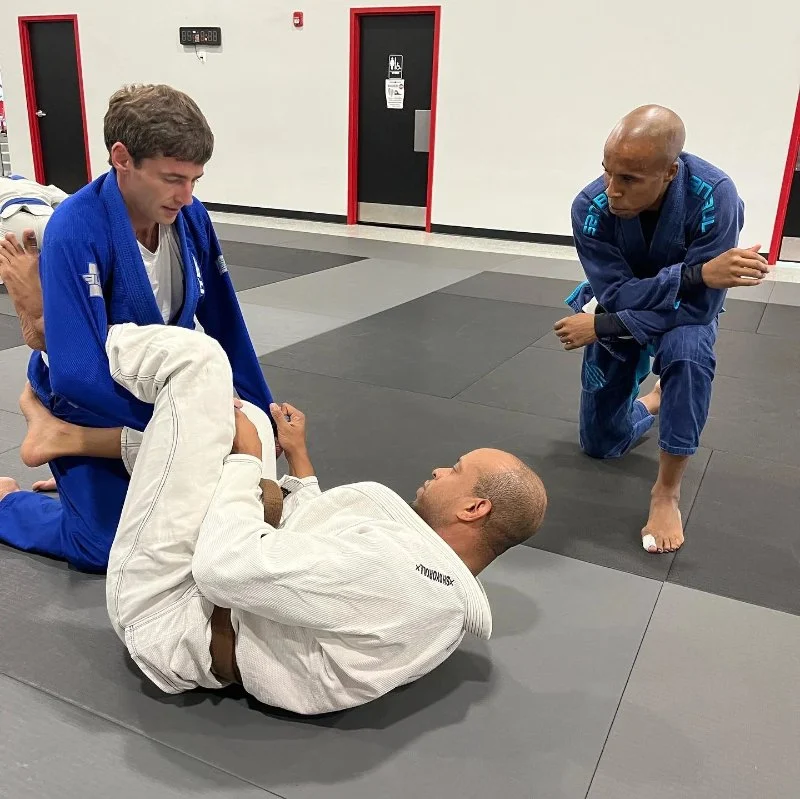
- Improved Flexibility (Brazilian Jiu-Jitsu): Brazilian Jiu-Jitsu (BJJ) is known for its emphasis on ground fighting and submission techniques, which require high levels of flexibility. Cross-training in BJJ can improve your flexibility, which is essential for performing high kicks, dynamic stances, and fluid movements in Tae Kwon Do.
- Enhanced Strength and Conditioning (Boxing): Boxing is fantastic for building core strength and cardiovascular conditioning. The explosive punches and footwork in boxing will help you improve your speed, power, and endurance—key components for high-intensity Tae Kwon Do sparring and competitions.
- Better Balance and Coordination (Kung Fu): Kung Fu practitioners use a wide variety of stances and circular movements that build balance and coordination. By training in Kung Fu, you can develop better body control and improve your Tae Kwon Do techniques like spinning kicks, turning jumps, and quick pivots.
- Refined Footwork (Fencing): Fencing focuses heavily on footwork and precision in movement. Cross-training in fencing will help you develop sharper footwork, quicker reactions, and better control over your positioning, which is beneficial in Tae Kwon Do’s fast-paced sparring matches.
3. Examples of Martial Arts to Complement Tae Kwon Do
While there are many martial arts to choose from, some are more complementary to Tae Kwon Do than others. Here are a few examples that align well with Tae Kwon Do’s strengths:
- Brazilian Jiu-Jitsu: Perfect for improving your ground game, flexibility, and control.
- Boxing: Excellent for improving hand speed, power, and cardiovascular conditioning.
- Kung Fu: A great way to improve balance, coordination, and stances, which are essential in Tae Kwon Do.
- Fencing: Ideal for improving footwork, agility, and quick reflexes.
- Muay Thai: Beneficial for clinch work, knee strikes, and powerful kicks.
4. Real-Life Examples of Successful Cross-Training
Cross-training has been proven to enhance Tae Kwon Do performance in real-life cases. Take the example of Sarah, a national-level Tae Kwon Do competitor who incorporated BJJ and boxing into her training regimen. “BJJ helped me with my flexibility, and boxing improved my conditioning and striking power,” Sarah says. After a few months of cross-training, she noticed improvements in both her sparring and tournament results.
Similarly, James, a black belt in Tae Kwon Do, found that incorporating Kung Fu into his training helped him refine his stances and movement. “The wide variety of stances and flexibility drills in Kung Fu really complemented my Tae Kwon Do technique,” James shares. His footwork became much sharper, and his overall agility improved significantly.

Champions Martial Arts Plainview / champions martial arts plainview
PlainviewNassau CountyNew York
10 Washington Ave, Plainview, NY 11803, USA
5. How to Integrate Cross-Training into Your Tae Kwon Do Routine
Integrating cross-training into your Tae Kwon Do routine can be simple and effective with the right approach. Here’s how you can incorporate it:
- Start with One Additional Discipline: If you’re new to cross-training, begin by adding one martial art, like boxing or BJJ, into your weekly schedule. Dedicate a few sessions a week to it while maintaining your Tae Kwon Do training.
- Focus on Weaknesses: Cross-train in areas where you feel you need improvement. If your flexibility is lacking, consider BJJ or yoga. If your footwork needs refinement, try fencing or Kung Fu.
- Don’t Overwhelm Yourself: Make sure to balance cross-training with your Tae Kwon Do practice. You don’t want to exhaust yourself, so ensure that you’re getting enough rest and recovery between sessions.
6. Final Thoughts on Cross-Training for Tae Kwon Do
Cross-training can be a game-changer for any Tae Kwon Do practitioner looking to improve their skills. By incorporating elements from other martial arts, you can refine your technique, build strength, and become a more well-rounded fighter. The key is to approach cross-training thoughtfully, complementing your Tae Kwon Do training with disciplines that enhance your weaknesses and build on your strengths.
If you're ready to take your Tae Kwon Do to the next level, explore cross-training options at Jeuns TKD Hub, where you can find expert advice, training resources, and product recommendations for your martial arts journey.


 Aikido of San Jose4.0 (7 reviews)
 Nikko Jujitsu School4.0 (9 reviews)
 Gracie Barra San Clemente Martial Arts4.0 (47 reviews)
 Karate Institute of America4.0 (4 reviews)
 Keweenaw Korean Martial Arts0.0 (0 reviews)
 Wing Chun School of Internal Arts5.0 (6 reviews)
 How to Execute a Jumping Roundhouse Kick to the Head
 How to Execute a Double Kick Combination in Sparring
 How to Perform a Flawless Axe Kick: A Step-by-Step Guide
 DIY Tae Kwon Do Training Equipment for Home Practice
 How to Increase Your Vertical Jump for Tae Kwon Do Flying Kicks
 The History of the Tae Kwon Do Peace Corps