
- Understanding the Foundation of an Effective Axe Kick
- Why Most Students Struggle With Head Level Axe Kicks
- Developing Flexibility for Higher Kicks
- Building Balance and Core Control
- Improving Speed Without Losing Technique
- How to Generate More Breaking Power
- Common Axe Kick Mistakes That Limit Progress
- Drills That Help With Board Breaking
- Training for Moving and Head Level Targets
- Real Training Story From a Competitive Student
- How Advanced Athletes Train Axe Kicks in 2026
- Mental Focus and Confidence During Kicking Combinations
- Creating a Weekly Axe Kick Training Plan
- Equipment That Can Help Improve Results
- Taking Your Kicking Skills to the Next Level
Understanding the Foundation of an Effective Axe Kick
The axe kick has always been one of the most visually impressive techniques in martial arts. Whether it appears in Taekwondo tournaments, karate demonstrations, or board-breaking events, the kick combines flexibility, timing, balance, and raw downward force into a single movement. Many beginners think the technique is only about kicking high, but experienced martial artists understand that a powerful axe kick depends on precision mechanics more than flexibility alone.
When performed correctly, the axe kick rises vertically before dropping sharply downward onto the target. The downward motion is where the real power comes from. The heel often becomes the striking surface because it concentrates force into a smaller area, making it ideal for breaking boards or targeting the upper body and head level areas in sparring practice.
To truly improve your axe kick technique for breaking boards and head level targets, you need to focus on three essential elements:
1. Proper Chamber Position
The knee should rise smoothly and remain controlled before the leg extends upward. Students who rush this phase usually lose balance before the kick reaches full height.
2. Controlled Vertical Lift
An effective axe kick travels upward in a straight or slightly angled line. Swinging the leg outward wastes energy and reduces accuracy.
3. Sharp Downward Impact
The real force happens during the downward drop. Advanced martial artists often describe the motion as “dropping an axe from the ceiling.” The leg should fall naturally but with muscular control.
At Jeuns TKD Hub, many instructors emphasize mastering the controlled descent before worrying about flashy speed. This approach helps students build both safety and long-term power.
Why Most Students Struggle With Head Level Axe Kicks
One common misconception is that flexibility alone determines how high someone can kick. In reality, many athletes with average flexibility can execute excellent axe kicks because they understand body mechanics.
Most students struggle because of one or more of these problems:
1. Tight Hamstrings and Hip Flexors
Limited mobility prevents the leg from reaching proper height. Tight muscles also create tension that slows the kick.
2. Poor Standing Balance
If the supporting foot wobbles, the upper body compensates by leaning backward. This weakens both accuracy and control.
3. Fear of Falling
Many students unconsciously stop the kick halfway because they are worried about losing balance during the descent.
4. Incorrect Breathing
Holding the breath creates tension throughout the body. Experienced martial artists exhale sharply during impact to improve speed and stability.
A student once described his axe kick training as “trying to throw a refrigerator upward.” After correcting his hip mobility and posture, the same student managed to break two stacked boards within six weeks.
Developing Flexibility for Higher Kicks
Flexibility training for axe kicks should focus on functional movement rather than passive stretching alone. Many martial artists spend years sitting in splits but still struggle to kick dynamically because they never trained mobility under movement.
Dynamic Warm-Up Routine
Before training, spend at least ten minutes performing dynamic movements:
1. Leg Swings
Front-to-back leg swings prepare the hamstrings and hip joints for vertical movement.
2. Walking Lunges
These activate the hips while improving lower-body stability.
3. Controlled Knee Raises
Slow chamber lifts strengthen the muscles used during the first phase of the axe kick.
Static Stretching After Practice
Static stretching works best after muscles are warm.
1. Seated Hamstring Stretch
Hold for 30 to 45 seconds while maintaining a straight spine.
2. Butterfly Stretch
This improves groin flexibility, which helps maintain a straighter kicking path.
3. Standing Split Progressions
Use support from a wall if necessary while gradually increasing leg height.
One overlooked detail is consistency. Training flexibility once a week rarely produces results. Small daily sessions usually outperform long, exhausting stretch routines.
Building Balance and Core Control
Balance is often the hidden ingredient behind elite kicking technique. Watch high-level Taekwondo athletes closely and you will notice how stable their supporting leg remains even during explosive kicks.
Single-Leg Stability Drills
1. Static Holds
Lift one knee and hold the position for 30 seconds without wobbling.
2. Eyes-Closed Balance Training
This improves body awareness and strengthens stabilizing muscles.
3. Slow Motion Axe Kicks
Perform the entire movement slowly while maintaining posture.
Core Strength Exercises
The abdominal muscles help control the leg during both ascent and descent.
1. Hanging Knee Raises
Excellent for improving chamber strength.
2. Plank Variations
These improve overall body stability.
3. Russian Twists
Rotational core strength helps maintain balance during combination kicks.
Many instructors at Jeuns TKD Hub encourage students to treat balance training as seriously as kicking drills. Without balance, even strong kicks become unreliable under pressure.
Improving Speed Without Losing Technique
Fast kicks are exciting, but uncontrolled speed often ruins technique. The goal is controlled explosiveness.
Focus on Relaxation
Tension slows movement. Elite kickers remain relaxed until the moment of impact.
Train Snap Recovery
After the downward strike, quickly return the leg to stance. This improves sparring readiness and reduces vulnerability.
Use Repetition Intervals
Instead of endlessly throwing kicks, train in short explosive rounds:
1. Ten explosive kicks
2. Thirty seconds rest
3. Repeat for five rounds
This method develops speed without sacrificing form.
How to Generate More Breaking Power
Board breaking is not just about strength. Proper timing and body alignment create far more force than muscle alone.
Use Gravity Correctly
The downward phase should feel heavy rather than forced. Let gravity assist the strike while guiding the motion.
Strike Through the Target
Many beginners stop at the surface of the board. Advanced martial artists mentally aim several inches below the target.
Keep the Ankle Stable
A loose ankle reduces power transfer and increases injury risk.
Hip Engagement Matters
The hips should drive upward during the lift and stabilize during impact.
A demonstration competitor once shared that he broke his first concrete slab only after learning to stay relaxed before impact. Before that, excessive tension reduced his power dramatically.
Common Axe Kick Mistakes That Limit Progress
1. Leaning Too Far Back
This destroys balance and weakens downward force.
2. Swinging the Leg Sideways
An axe kick should rise vertically. Excessive sideways movement turns it into an entirely different technique.
3. Dropping the Guard
During sparring, lowering the hands leaves the face exposed.
4. Training Only One Side
Even dominant-leg athletes benefit from bilateral training because it improves coordination.
5. Ignoring Recovery Position
A kick is incomplete until you return safely to stance.
Drills That Help With Board Breaking
Breaking boards requires confidence as much as technique. Hesitation often causes failed attempts.
Target Penetration Drills
1. Paddle Kicking
Focus on speed and accurate contact.
2. Foam Block Strikes
These allow students to practice full power safely.
3. Progressive Board Breaking
Start with thinner boards before moving to more difficult targets.
Visualization Training
Many successful martial artists mentally rehearse successful breaks before attempting them physically. Visualization reduces hesitation and improves confidence.
Training for Moving and Head Level Targets
Static practice alone is not enough. Real improvement happens when students learn to adapt to movement.
Partner Timing Drills
Have a partner move a target pad unpredictably while you react quickly.
Distance Control Practice
Learning range management is essential for sparring applications.
Reaction-Based Combinations
Practice combining axe kicks with front kicks, roundhouse kicks, or defensive footwork.
In modern Taekwondo competition, athletes often disguise axe kicks behind quick feints. Timing matters more than raw athleticism.
Real Training Story From a Competitive Student
A teenage competitor preparing for a regional tournament struggled badly with head-level axe kicks. Her flexibility was excellent, but her balance disappeared under pressure.
Instead of focusing only on stretching, her instructor changed the training plan completely:
Week 1
Single-leg balance drills and slow-motion kicks.
Week 2
Controlled target practice with limited speed.
Week 3
Reaction training against moving paddles.
Week 4
Board-breaking confidence sessions.
By tournament day, her axe kick became one of her strongest scoring techniques. The improvement came not from flexibility but from stability and timing.
How Advanced Athletes Train Axe Kicks in 2026
Training methods continue evolving. In 2026, many athletes use technology to refine kicking mechanics.
Video Analysis
Slow-motion recordings help athletes identify balance issues and unnecessary movement.
Mobility Tracking
Fitness apps now measure hip mobility and flexibility progress over time.
Resistance Band Drills
Resistance training improves explosive lifting power.
Reaction Lights
Some training centers use visual reaction systems to improve kick timing.
Even with modern tools, however, the fundamentals remain unchanged: discipline, repetition, and proper technique still determine long-term success.
Mental Focus and Confidence During Kicking Combinations
Confidence changes the quality of every kick. Hesitant movements lack speed and power.
Trust the Technique
Overthinking often creates tension. Once the mechanics are trained, allow the body to react naturally.
Accept Imperfect Training Days
Even advanced martial artists experience frustrating sessions. Progress rarely happens in a perfectly straight line.
Train Under Pressure
Practicing in front of teammates or instructors builds composure.
One instructor joked that “the floor teaches humility faster than any coach.” Losing balance occasionally is part of improvement.
Creating a Weekly Axe Kick Training Plan
Monday
Flexibility and Mobility
Focus on dynamic stretching and controlled kicking drills.
Tuesday
Strength and Core Stability
Include squats, planks, and chamber holds.
Wednesday
Technical Precision
Slow-motion axe kicks and balance exercises.
Thursday
Speed Development
Explosive kicking intervals and reaction drills.
Friday
Board Breaking Practice
Train target penetration and confidence.
Saturday
Combination Sparring Drills
Integrate axe kicks into realistic combinations.
Sunday
Recovery and Stretching
Allow the body to recover while maintaining mobility.
Equipment That Can Help Improve Results
While technique matters most, the right training equipment can accelerate improvement.
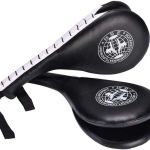
1. Paddle Targets
Useful for timing and snapping accuracy.
2. Heavy Kicking Shields
Ideal for practicing full downward force.
3. Resistance Bands
Help strengthen hip flexors and improve kick height.
4. Flexibility Straps
Assist controlled stretching sessions safely.
Many martial artists explore training gear recommendations through Jeuns TKD Hub because finding reliable equipment can save both time and frustration.
Taking Your Kicking Skills to the Next Level
Improving your axe kick technique for breaking boards and head level targets is a long-term process built on patience, repetition, and intelligent training. Flexibility helps, but balance, timing, confidence, and control ultimately separate average kicks from truly impressive ones.
The best martial artists rarely rush the learning process. They refine the basics repeatedly until explosive performance becomes automatic. Small daily improvements often create dramatic long-term results.
If you want to continue improving your martial arts skills, studying advanced drills, training methods, and reliable equipment recommendations through Jeuns TKD Hub can help you build stronger technique and smarter training habits for the future.


 Aikido of San Jose4.0 (7 reviews)
 Nikko Jujitsu School4.0 (9 reviews)
 Gracie Barra San Clemente Martial Arts4.0 (47 reviews)
 Karate Institute of America4.0 (4 reviews)
 Keweenaw Korean Martial Arts0.0 (0 reviews)
 Wing Chun School of Internal Arts5.0 (6 reviews)
 How to Execute a Jumping Roundhouse Kick to the Head
 How to Execute a Double Kick Combination in Sparring
 How to Perform a Flawless Axe Kick: A Step-by-Step Guide
 DIY Tae Kwon Do Training Equipment for Home Practice
 How to Increase Your Vertical Jump for Tae Kwon Do Flying Kicks
 The History of the Tae Kwon Do Peace Corps