
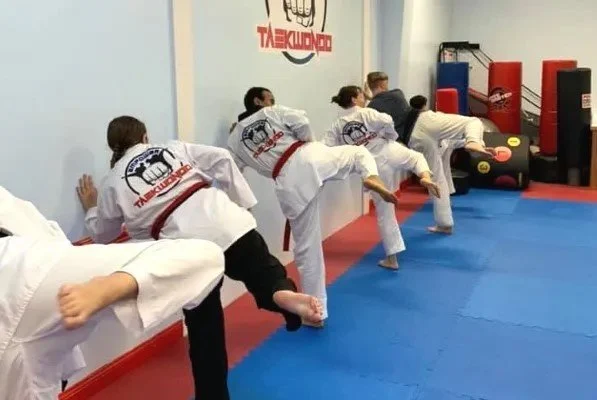
- Why the Right Mentor Changes Everything
- Understanding the Difference Between an Instructor and a Mentor
- Signs You Have Outgrown Your Current Training Environment
- Qualities That Separate Great Mentors From Average Coaches
- Where Serious Tae Kwon Do Students Find Elite Mentors
- How a Real Mentor Pushes You Beyond Your Comfort Zone
- Mistakes People Make When Choosing a Tae Kwon Do Mentor
- The Role of Mental Discipline in High-Level Training
- Stories From Athletes Who Found the Right Mentor
- How Online Training and Video Analysis Can Help
- Questions to Ask Before Committing to a Mentor
- Building a Long-Term Relationship That Creates Growth
Why the Right Mentor Changes Everything
Every Tae Kwon Do student remembers the moment training stopped feeling casual and became personal. For some, it happens after their first tournament loss. For others, it comes when they realize talent alone is not enough to progress. That is usually the moment a mentor becomes more important than a standard instructor.
A mentor in Tae Kwon Do is not simply someone who teaches combinations or runs warmups. A true mentor recognizes weaknesses that students try to hide. They challenge habits, force accountability, and create situations where growth becomes unavoidable.
Many students train for years without ever experiencing this level of guidance. They attend classes, earn belts, and improve technically, yet remain trapped inside familiar limits. Comfort becomes routine, and routine quietly kills long-term progress.
The best Tae Kwon Do mentor changes how you think about discipline, fear, recovery, confidence, and competition. Instead of telling you what you want to hear, they tell you what you need to improve.
This is one reason experienced athletes often recommend researching training systems carefully instead of choosing the nearest school automatically. Platforms like Jeuns TKD Hub are becoming increasingly popular among martial artists who want to compare coaching styles, training philosophies, and advanced learning resources before committing to a mentor relationship.
Budo Martial Arts Studio / budo martial arts studio
Ewing TownshipMercer CountyNew Jersey
9 Scotch Rd, Ewing Township, NJ 08628, USA
Understanding the Difference Between an Instructor and a Mentor
One of the biggest mistakes beginners make is assuming every black belt instructor automatically becomes a mentor. In reality, there is a major difference between teaching techniques and guiding long-term development.

Champions Martial Arts Plainview / champions martial arts plainview
PlainviewNassau CountyNew York
10 Washington Ave, Plainview, NY 11803, USA
1. Instructors Teach Skills
Most instructors focus on curriculum structure:
- Basic forms
- Sparring combinations
- Belt progression
- Physical conditioning
- Class discipline
These are important foundations, but they only represent part of martial arts growth.
2. Mentors Develop Character
A mentor studies how students react under pressure. They notice:
- How you respond after losing
- Whether frustration affects technique
- How fear changes timing
- If confidence disappears against stronger opponents
- Whether you train hard only when motivated
This psychological side of Tae Kwon Do is often what separates average students from elite competitors.
3. Mentors Push Beyond Technical Limits
Good mentors create uncomfortable growth opportunities intentionally. They may pair you with stronger fighters repeatedly. They may force extra conditioning after mental mistakes instead of physical ones. They may even challenge your confidence publicly to build emotional resilience.
At first, this can feel frustrating. Later, many athletes realize those uncomfortable sessions created the biggest breakthroughs.
Signs You Have Outgrown Your Current Training Environment
Not every dojang supports long-term growth equally. Sometimes students plateau because they are no longer being challenged properly.
1. Training Feels Predictable
If every class follows the exact same structure for years, improvement often slows down. High-level mentors constantly adjust drills, sparring intensity, and tactical focus.
2. Nobody Corrects Your Weaknesses
One warning sign appears when instructors only praise students without demanding improvement. Encouragement matters, but endless compliments can become a hidden obstacle.
A strong mentor identifies flaws directly:
- Weak footwork
- Slow recovery speed
- Poor ring awareness
- Low endurance under pressure
- Defensive hesitation
3. Advanced Students Rarely Visit
Elite athletes attract elite training partners. If a school rarely produces tournament competitors or advanced practitioners, ambitious students may eventually need a more demanding environment.
4. Fear of Failure Controls Training
Some students unconsciously avoid difficult situations because losing feels embarrassing. The right mentor creates a culture where mistakes become part of development rather than something shameful.
Qualities That Separate Great Mentors From Average Coaches
Finding a demanding mentor does not mean finding someone aggressive or intimidating. The best Tae Kwon Do mentors balance pressure with intelligence and purpose.
1. They Communicate Clearly
Elite mentors explain not only what to improve but why it matters. Instead of shouting random corrections, they provide strategic understanding.
For example:
- Why certain angles matter in Olympic sparring
- How emotional control affects reaction speed
- Why breathing patterns influence endurance
- How anticipation changes scoring opportunities
2. They Continue Learning Themselves
The martial arts world evolves constantly. Mentors who stop learning eventually become outdated.
Strong mentors study:
- Modern sparring trends
- Rule changes
- Strength conditioning science
- Sports psychology
- Recovery techniques
3. They Care About Long-Term Progress
Some instructors focus only on short-term tournament wins. Great mentors care about sustainable growth, injury prevention, and emotional maturity.
4. They Challenge Excuses
A mentor who accepts every excuse weakens students unintentionally.
Real growth happens when mentors force accountability:
- Showing up consistently
- Managing nutrition
- Improving sleep habits
- Handling nerves professionally
- Taking ownership after losses
Where Serious Tae Kwon Do Students Find Elite Mentors
Many athletes assume the best mentors only exist in famous academies. In reality, outstanding mentors can appear in unexpected places.
1. Tournament Circuits
Competitions reveal coaching quality quickly. Observe how coaches behave during stressful moments.
Do they:
- Stay calm under pressure?
- Give strategic advice?
- Help athletes recover mentally?
- Analyze mistakes constructively?
These behaviors often reveal stronger mentorship qualities than flashy marketing.
2. Specialized Training Camps
Training camps expose students to different coaching styles and elite athletes. Many long-term mentor relationships begin during weekend seminars or regional camps.
3. Online Communities
Modern martial artists increasingly learn through online analysis and coaching resources. Video breakdowns, sparring reviews, and technical discussions provide insight into how mentors think.
Many practitioners use Jeuns TKD Hub to compare advanced Tae Kwon Do resources, competition breakdowns, and mentorship-focused content before choosing a coach.
4. Referrals From Competitive Athletes
High-level competitors often know which instructors truly develop fighters instead of simply promoting belts.
Personal recommendations remain one of the most reliable ways to find serious mentors.
How a Real Mentor Pushes You Beyond Your Comfort Zone
The phrase “comfort zone” sounds motivational, but in martial arts it has a very specific meaning.
Your comfort zone includes:
- Opponents you know you can beat
- Techniques you already trust
- Training intensity you can tolerate easily
- Predictable class structures
- Situations where failure feels unlikely
Great mentors disrupt these patterns deliberately.
1. They Force Adaptation
A mentor may require students to spar unfamiliar opponents repeatedly because adaptation builds tactical intelligence.
One athlete described training under a former national competitor who intentionally paired him against taller fighters for six months straight. At first, he lost constantly. Eventually, his movement and counter timing improved dramatically.
2. They Build Mental Toughness Gradually
Good mentors do not destroy confidence randomly. They apply pressure carefully.
This might include:
- Intense conditioning rounds
- Public performance expectations
- Tournament preparation simulations
- Controlled pressure sparring
- High-volume repetition drills
3. They Make Students Think Independently
Weak coaches create dependence. Strong mentors create independent fighters who can analyze situations without constant instruction.
This independence becomes critical during live competition.
Mistakes People Make When Choosing a Tae Kwon Do Mentor
1. Choosing Based Only on Fame
A famous instructor is not automatically the best mentor for every student. Personality compatibility matters enormously.
Some athletes thrive under strict discipline. Others improve faster with analytical coaching styles.
2. Avoiding Tough Coaches
Students sometimes mistake discomfort for poor coaching. In reality, productive struggle is often necessary for growth.
The key difference is intent. Great mentors push students constructively, not emotionally.
3. Ignoring Communication Style
Even highly skilled coaches can fail if communication breaks down.
Students should ask:
- Does this mentor explain concepts clearly?
- Do they understand individual learning styles?
- Can they motivate without humiliation?
- Do they genuinely observe students carefully?
4. Expecting Constant Motivation
Some students search for mentors who always inspire them emotionally. Serious martial arts development eventually depends on discipline, not motivation.
The right mentor teaches consistency even when enthusiasm disappears.
The Role of Mental Discipline in High-Level Training
At advanced levels, physical skill gaps become smaller. Mental discipline often determines success.
1. Emotional Control
Many fighters lose matches because frustration affects decision-making.
Mentors help students control:
- Fear
- Anger
- Overconfidence
- Panic
- Tournament nerves
2. Consistency Under Pressure
One reason Olympic-level athletes appear calm is because their training environments simulate intense pressure constantly.
Mentors intentionally create difficult situations so real competition feels manageable.
3. Identity Beyond Winning
Some students connect self-worth entirely to results. This mindset becomes dangerous after losses.
Experienced mentors teach athletes to value growth, discipline, and resilience alongside competition success.
Stories From Athletes Who Found the Right Mentor
1. The Athlete Who Stopped Quitting Midway
A regional competitor struggled with conditioning for years. During difficult sparring rounds, he mentally gave up before physical exhaustion actually arrived.
His new mentor recognized the issue immediately. Instead of increasing punishment, the coach changed the training structure completely.
Rounds became shorter but far more explosive. Recovery times shrank gradually. Mental reset exercises were introduced between rounds.
Within a year, the athlete’s confidence transformed because the mentor targeted psychological weakness instead of simply demanding harder work.
2. The Teenager Who Needed Tougher Standards
A teenage black belt dominated local tournaments but struggled nationally. His mentor discovered he trained comfortably because local competition rarely challenged him.
The coach arranged sparring sessions against older athletes repeatedly. Losses became frequent and emotionally difficult.
At first, frustration exploded after every session. Eventually, adaptation occurred. Timing improved, defense sharpened, and emotional control matured.
Two years later, the athlete earned a national medal.
How Online Training and Video Analysis Can Help
Modern mentorship no longer depends entirely on geography.
Many serious athletes supplement in-person training with:
- Video analysis
- Online sparring breakdowns
- Virtual coaching reviews
- Competition footage studies
- Sports psychology resources
1. Watching High-Level Competition Intelligently
Casual viewing is different from analytical viewing.
Mentors often teach students how to study:
- Distance management
- Counter timing
- Foot positioning
- Defensive rhythm
- Scoring patterns
2. Reviewing Your Own Mistakes
One of the fastest ways to improve is reviewing sparring footage honestly.
Great mentors help students analyze:
- Repeated tactical errors
- Defensive habits
- Predictable attacks
- Energy management
- Emotional reactions
Resources available through communities like Jeuns TKD Hub can help practitioners discover advanced technical discussions and supplemental learning tools that extend beyond ordinary class instruction.
Questions to Ask Before Committing to a Mentor
Choosing the right mentor deserves careful thought.
1. What Type of Students Do They Produce?
Observe current students closely.
Are they:
- Disciplined?
- Confident?
- Respectful?
- Technically sharp?
- Mentally composed?
Students often reflect coaching quality directly.
2. How Do They Handle Failure?
Losses reveal coaching character.
Strong mentors respond with analysis and growth plans instead of emotional reactions.
3. Do They Adapt Training Individually?
Elite mentorship rarely uses a one-size-fits-all approach.
Different body types, personalities, and learning styles require different strategies.
4. Are They Focused Only on Belts?
Belt progression matters, but obsession with rank promotions can distract from real development.
The best mentors prioritize skill, discipline, and maturity first.
Building a Long-Term Relationship That Creates Growth
The best Tae Kwon Do mentor relationships are built on trust, honesty, and accountability over time.
1. Accept Constructive Criticism
Students who become defensive after corrections slow their own progress.
Mentorship works best when athletes learn to separate ego from improvement.
2. Show Consistency
Mentors invest more deeply in students who demonstrate commitment consistently.
That includes:
- Arriving prepared
- Maintaining discipline outside class
- Training through setbacks responsibly
- Respecting teammates
- Applying feedback immediately
3. Understand That Growth Often Feels Uncomfortable
Some of the most important breakthroughs in Tae Kwon Do happen during frustrating periods.
Students may temporarily feel slower, weaker, or less confident while adapting to higher standards.
Experienced mentors recognize this process and guide athletes through it instead of allowing them to retreat into comfort.
4. Keep Looking for New Knowledge
Even strong mentor relationships benefit from outside learning. Camps, seminars, competition analysis, and online resources help athletes stay adaptable.
Many practitioners eventually realize martial arts growth never truly ends. The right mentor simply teaches students how to continue evolving long after the beginner stage disappears.
For athletes serious about advancing their Tae Kwon Do journey, exploring training philosophies, sparring analysis, and mentorship-focused resources through Jeuns TKD Hub can provide valuable direction when searching for the next level of growth.


 Aikido of San Jose4.0 (7 reviews)
 Nikko Jujitsu School4.0 (9 reviews)
 Gracie Barra San Clemente Martial Arts4.0 (47 reviews)
 Karate Institute of America4.0 (4 reviews)
 Keweenaw Korean Martial Arts0.0 (0 reviews)
 Wing Chun School of Internal Arts5.0 (6 reviews)
 How to Execute a Jumping Roundhouse Kick to the Head
 How to Execute a Double Kick Combination in Sparring
 How to Perform a Flawless Axe Kick: A Step-by-Step Guide
 DIY Tae Kwon Do Training Equipment for Home Practice
 How to Increase Your Vertical Jump for Tae Kwon Do Flying Kicks
 The History of the Tae Kwon Do Peace Corps