
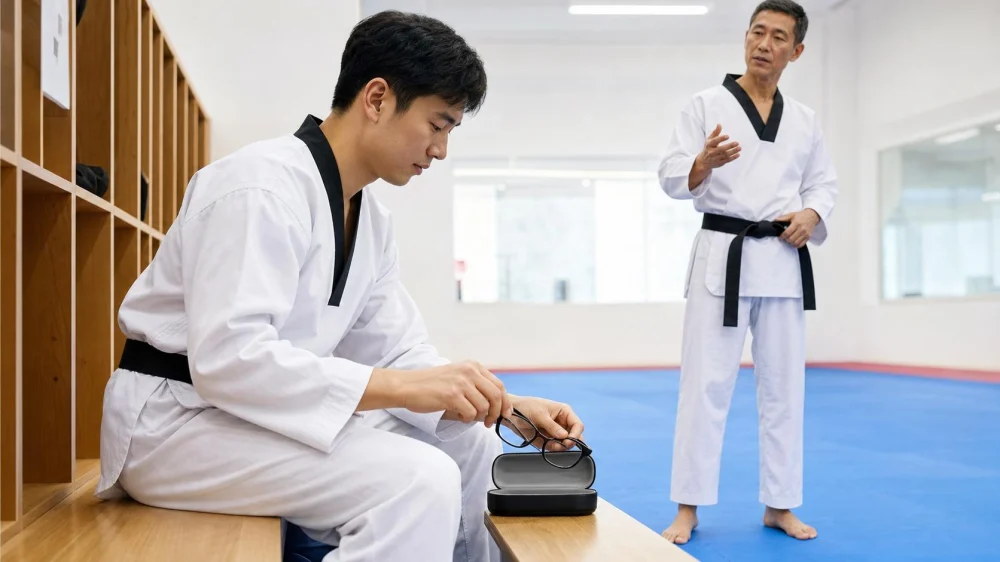
Tae Kwon Do With Glasses or Contacts: Make a Class Plan Before Drills
Quick answer: Tell the instructor what you need to see clearly and ask when eyewear must come off. Ordinary glasses can break or injure during contact, falls, fast partner drills, or sparring. Store them in a hard case, learn the mat layout, and use approved vision options only after discussing fit, eye health, and sport risks with qualified professionals.
1. Explain What You Can and Cannot See
Before class, tell the instructor whether you need correction for faces, demonstrations, floor markings, or distance. Mention depth-perception or peripheral-vision limitations. Ask for a position where demonstrations are visible without blocking others.
Budo Martial Arts Studio / budo martial arts studio
Ewing TownshipMercer CountyNew Jersey
9 Scotch Rd, Ewing Township, NJ 08628, USA
2. Ask Which Activities Allow Ordinary Glasses
A school may allow glasses during forms or explanation but require removal for contact, tumbling, pad work, or sparring. Follow the instructor's risk decision. Straps do not turn everyday frames into impact protection.
Champions Martial Arts Plainview / champions martial arts plainview
PlainviewNassau CountyNew York
10 Washington Ave, Plainview, NY 11803, USA
3. Store Glasses in a Labeled Hard Case
Place the case off the mat in the designated area, not on a bench edge, floor, or inside loose clothing. Keep a microfiber cloth and spare pair nearby. Do not hand glasses to a moving partner.
4. Learn Boundaries and Obstacles While Wearing Correction
Before removing glasses, identify exits, mat edges, posts, mirrors, equipment, water, and your storage spot. Ask the instructor to describe changes in layout. Walk rather than run when vision is reduced.
5. Pause Safely When Switching Between Seeing and Training
Step fully off the active lane before putting on or removing glasses. Wait for the instructor's signal to rejoin. Do not adjust eyewear while holding a pad or standing inside kicking range.
6. Handle Contact Lenses With Clean, Dry Hands
Do not insert, remove, or reposition contacts with sweaty or unwashed hands. Bring lens supplies recommended by your eye-care professional. Never rinse lenses with tap water or share solution.
7. Discuss Sport-Specific Eye Protection
Ordinary glasses and contact lenses do not protect against impact. Ask the instructor what protective equipment is permitted and an eye-care professional what is appropriate for your prescription and activities. Protective eyewear must fit correctly and work with required headgear.
8. Tell Partners Before Close or Fast Drills
A brief statement such as “my distance vision is limited without glasses” helps a partner use clear signals and avoid unexpected movement. It does not change the drill without instructor approval. Both partners should confirm readiness.
9. Stop for Eye Pain, Vision Change, or a Dislodged Lens
Leave the drill safely and tell the instructor. Do not continue with sudden blurred or double vision, flashes, new floaters, severe pain, bleeding, or an impact to the eye. Seek urgent eye or emergency care as symptoms require.
10. Update the Plan for Sparring, Testing, and Competition
Requirements change as training becomes faster or more contact-heavy. Recheck school and event rules, equipment compatibility, prescription needs, and emergency supplies before belt tests, seminars, and tournaments. A plan that works for forms may not work for sparring.

 Aikido of San Jose4.0 (7 reviews)
 Nikko Jujitsu School4.0 (9 reviews)
 Gracie Barra San Clemente Martial Arts4.0 (47 reviews)
 Karate Institute of America4.0 (4 reviews)
 Keweenaw Korean Martial Arts0.0 (0 reviews)
 Wing Chun School of Internal Arts5.0 (6 reviews)
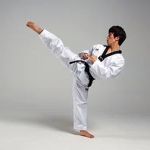 How to Execute a Jumping Roundhouse Kick to the Head
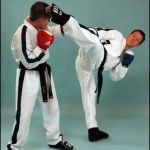 How to Execute a Double Kick Combination in Sparring
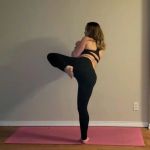 How to Perform a Flawless Axe Kick: A Step-by-Step Guide
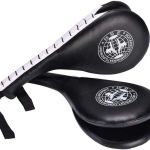 DIY Tae Kwon Do Training Equipment for Home Practice
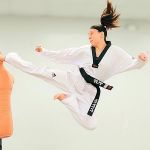 How to Increase Your Vertical Jump for Tae Kwon Do Flying Kicks
 The History of the Tae Kwon Do Peace Corps