
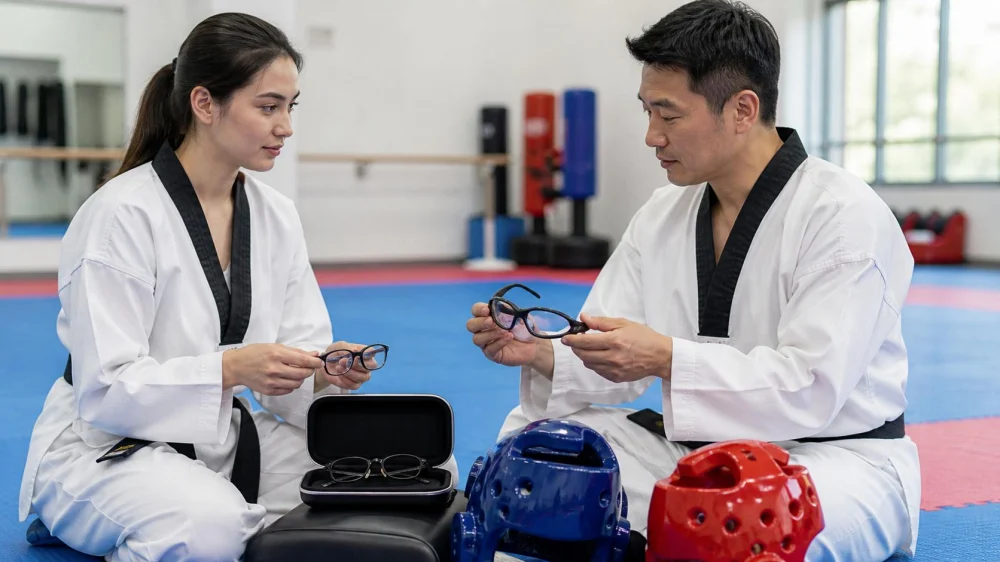
Tae Kwon Do With Eyeglasses: Plan Safe Vision Before Contact
On this page
Quick answer
Tell the instructor you use glasses before class and ask which drills allow them. Standard eyeglasses can shift, break, or injure the wearer or partner during falls, close partner work, and sparring. Use instructor- and eye-care-approved options such as secure sport frames or contact lenses when suitable, and keep a labeled hard case nearby. Never spar in ordinary glasses unless the school and applicable competition rules explicitly permit appropriate protective eyewear.
Budo Martial Arts Studio / budo martial arts studio
Ewing TownshipMercer CountyNew Jersey
9 Scotch Rd, Ewing Township, NJ 08628, USA
Why it matters
Clear vision supports balance, distance, cues, and safe movement, but ordinary frames and lenses are not designed for impact. Removing glasses without a plan can also make navigation and partner recognition unsafe.
This United States guide is general. Prescription, age, eye disease, contact-lens suitability, sport rules, school insurance, and protective-equipment standards vary. Consult the instructor and eye-care professional.
Champions Martial Arts Plainview / champions martial arts plainview
PlainviewNassau CountyNew York
10 Washington Ave, Plainview, NY 11803, USA
Practical checklist
- Tell the school your vision needs before the first class.
- Ask which solo, pad, partner, falling, and sparring drills allow eyewear.
- Check sport frames, lenses, strap, padding, and compatibility with headgear.
- Keep a hard case and cleaning cloth outside the training area.
- Mark floor edges and choose a stable route when glasses are removed.
- Tell partners and assign controlled distance and contact.
- Stop for eye pain, vision change, frame damage, or lens displacement.
Step-by-step plan
- Describe what you can see without correction and which tasks become unsafe.
- Review school and competition rules before buying sport eyewear.
- Ask an eye-care professional about impact-resistant options and whether contact lenses are appropriate.
- Test fit during noncontact basics, head movement, perspiration, and approved protective gear.
- Remove ordinary glasses before contact drills and store them in a fixed protected place.
- Use a partner or instructor cue to navigate when uncorrected vision is limited.
- Inspect eyewear after class and replace damaged lenses, straps, or frames.
Keep prescription date, eyewear model, lens material, school approval, competition rules, headgear compatibility, fit issues, damage, symptoms, and clinician advice.
Limits and warning signs
A retention strap does not turn ordinary glasses into impact protection. Contact lenses do not protect the eye, and sport frames must still fit the activity and other equipment.
Seek urgent eye care for sudden vision change, severe pain, penetrating injury, blood in the eye, persistent flashing or floaters, or chemical exposure. Follow emergency guidance for head or facial trauma.
Frequently asked questions
Can I wear regular glasses for forms?
The school may allow them in controlled noncontact work, but fit, movement, and surrounding activity still need review.
Does a strap make glasses safe for sparring?
No. Ordinary frames and lenses may still break or injure.
Are contact lenses best?
They help some athletes but are not suitable for everyone and provide no impact protection; ask an eye-care professional.
What if I cannot navigate without glasses?
Plan a marked route, instructor support, and appropriate protective correction rather than improvising.
Sources and evidence
The guide applies common sports-eye-safety principles: ordinary eyewear is not impact protection, rules and protective compatibility matter, vision loss must be planned for, and eye symptoms require prompt assessment.
Conclusion and next steps
Ask the instructor which class segments allow glasses, then review protective options with an eye-care professional. Test any approved solution during noncontact work before partner drills or sparring.

 Aikido of San Jose4.0 (7 reviews)
 Nikko Jujitsu School4.0 (9 reviews)
 Gracie Barra San Clemente Martial Arts4.0 (47 reviews)
 Karate Institute of America4.0 (4 reviews)
 Keweenaw Korean Martial Arts0.0 (0 reviews)
 Wing Chun School of Internal Arts5.0 (6 reviews)
 How to Execute a Jumping Roundhouse Kick to the Head
 How to Execute a Double Kick Combination in Sparring
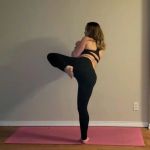 How to Perform a Flawless Axe Kick: A Step-by-Step Guide
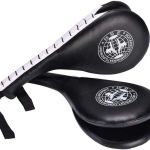 DIY Tae Kwon Do Training Equipment for Home Practice
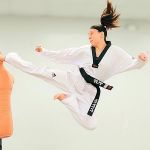 How to Increase Your Vertical Jump for Tae Kwon Do Flying Kicks
 The History of the Tae Kwon Do Peace Corps