
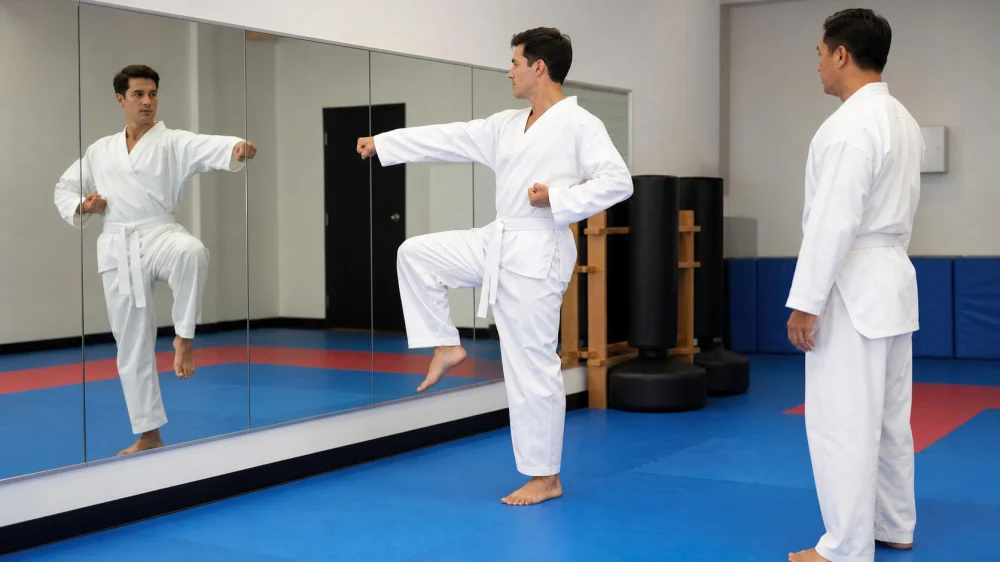
Tae Kwon Do Uniform Fit: Check Movement Before Class
On this page
Quick answer
A Tae Kwon Do uniform should allow full arm and leg movement without pulling across the shoulders, binding at the hips, covering the hands, or dragging under the feet. Test basic stances, knee lifts, squats, and arm extensions before class. Then confirm your school’s requirements for color, trim, patches, closures, sleeve and pant length, and whether alterations are allowed.
This guide is for Tae Kwon Do students and caregivers in the United States choosing a dobok, the Korean term commonly used for the training uniform. Organizations and schools use different designs and rules, so the instructor’s requirements control what is acceptable for that program and event.
Budo Martial Arts Studio / budo martial arts studio
Ewing TownshipMercer CountyNew Jersey
9 Scotch Rd, Ewing Township, NJ 08628, USA
Four uniform fit priorities
1. Unrestricted movement
The jacket should not pull tightly across the upper back when the arms extend, and the pants should allow comfortable stances and knee lifts without binding at the seat, thigh, or crotch. A roomy martial arts cut is useful, but extra fabric should not twist or catch during movement.
2. Clear hands and feet
Sleeves that cover the palms can interfere with hand position, gripping a training target, or seeing protective gear. Pants that touch the floor, slide under the heel, or cover the foot can create a trip risk. Check length barefoot on the same type of mat used in class.
3. Secure waist and closures
Elastic, drawstring, hook-and-loop, ties, and pullover closures should remain secure through normal class movement. A drawstring should not hang excessively. The belt should hold the jacket as the school teaches without being used to compensate for a badly sized garment.
4. School-appropriate appearance
White is common, but schools may require a particular uniform, V-neck or wrap-front design, approved trim, logo, patch placement, or competition version. Rank colors and instructor uniforms may be restricted. Ask before buying a specialty design.
Champions Martial Arts Plainview / champions martial arts plainview
PlainviewNassau CountyNew York
10 Washington Ave, Plainview, NY 11803, USA
A safe movement check
Test a new uniform in a clear space on a dry, non-slip surface. Do not perform full-speed kicks or jumping techniques during a clothing check.
- Stand normally. Confirm the waistband is secure without painful pressure and the jacket rests without pulling to one side.
- Extend both arms. Reach forward, overhead, and to the sides. Check shoulder mobility and whether sleeves slide over the hands.
- Make a comfortable front stance. Use a familiar basic stance taught by your school. Watch for binding at the hips and excessive pant length near the feet.
- Lift each knee slowly. Bring the knee only to a controlled height. The pants should allow the movement without dragging the waistband down or twisting the supporting leg.
- Perform a shallow squat. Check the seat, thigh, and crotch for tension. Stop if the seam appears strained.
- Turn gently. Use slow quarter turns to see whether hems catch the heel or floor.
- Check seated and kneeling positions if used. Follow school practice and avoid positions that are uncomfortable for your joints.
- Repeat with required underlayers. A shirt, chest protector, or other approved layer can change the jacket fit. Do not wear unapproved gear merely for the test.
Ask an instructor to observe from the front, side, and back. A mirror helps, but it can miss fabric pulling behind the shoulders or pants catching at the heel.
Sizing, growth, and alterations
Uniform size labels often use height ranges or brand-specific numbers, but body proportions vary. Use the maker’s current chart as a starting point and check the actual garment. Someone with broad shoulders, long legs, a short torso, or another proportion may need separate sizing advice.
For adults: prioritize movement and safe length over the number on the label. If choosing between sizes, ask whether the larger garment can be altered without changing required trim, cuff structure, or competition compliance.
For children: room for growth is practical, but the current uniform must still be safe. Do not buy pants so long that a child stands on the hem. Temporary rolling can come undone during class and may not be allowed. Ask about a secure alteration or size exchange.
For alterations: confirm school policy first. Hemming sleeves and pants may be acceptable, while cutting through stripes, piping, embroidery, reinforcement, or required proportions may not be. Preserve enough width for stance and knee movement.
Do not use pins, loose tape, clips, or exposed fasteners as a class-time shortening method. They can open, scratch a partner, damage mats, or catch on equipment.
Fabric, shrinkage, and care
Doboks may use cotton, polyester, blended fabric, lightweight weave, heavier traditional fabric, or specialty performance material. Fabric affects feel, sound, heat, drying, opacity, and shrinkage. A heavier uniform is not automatically better for every class or student.
Before altering a new uniform:
- read the garment label and seller’s care instructions;
- ask whether the fabric is preshrunk or expected to change;
- confirm whether washing is required before first use;
- measure sleeve, pants, chest, and waist before and after the first approved wash; and
- avoid high heat unless the instructions permit it.
Do not deliberately use excessive heat to force shrinkage without understanding the fabric. The garment may shrink unevenly, weaken trim, distort patches, or become too short. Exchange or professional alteration may give a more predictable result.
Wash the uniform after training according to its label, remove it promptly from the bag, and let it dry fully before storage. Fasten hook-and-loop closures so they do not abrade the fabric. Wash belts and rank items only according to school guidance and product instructions.
Confirm your school’s uniform rules
Before purchasing, ask:
- Does the school require its own dobok or allow outside brands?
- Is the top pullover, wrap-front, or another design?
- Are undershirts required, optional, restricted, or handled differently by class?
- Which patches, logos, national flags, names, or school marks are required and where?
- Are black trim, colored collars, or stripes limited by rank or role?
- Are pockets, zippers, metal parts, or decorative stitching prohibited?
- What fit and uniform rules apply to belt tests, demonstrations, and tournaments?
- Can sleeves and pants be altered, and is there a preferred method?
A uniform allowed in ordinary class may not meet a tournament organizer’s rules. Confirm the specific event before adding patches or buying a second design. Keep enough time for ordering, washing, exchange, and alterations rather than testing the fit on event day.
Practical limits and important notes
This article reflects general martial arts clothing principles: a uniform should permit the taught range of movement, stay secure, keep hands and feet visible, and follow the school’s standards. It does not establish a universal sleeve or pant measurement because uniform cuts and organizations differ.
A dobok does not prevent injury and cannot correct technique. Pain, numbness, skin reactions, breathing restriction, dizziness, or balance problems need attention beyond clothing fit. Stop the check and seek appropriate guidance rather than training through a concerning symptom.
Frequently asked questions
Should a Tae Kwon Do uniform feel loose?
It should provide movement room without becoming so large that hems cover the hands or feet, the waistband slips, or excess fabric catches. The school can compare the fit with its preferred cut.
How long should dobok pants be?
They should remain clear of the floor and heel through normal stances and knee lifts. Exact length varies by uniform and school, so ask the instructor before hemming.
Can I roll the sleeves or pant legs?
Some schools allow a temporary roll during fitting, while others do not allow it in training or events. A roll can loosen during movement. Ask about a secure approved alteration.
Should I size up for a chest protector?
Do not guess. Schools may wear protective gear over or with the uniform in specific ways. Bring the required gear to a supervised fit check and follow the instructor’s recommendation.
Can I wear a karate uniform for Tae Kwon Do?
The cuts can differ, and the school may require a specific dobok style. Ask before using another martial arts uniform, especially for rank tests or competition.
When should I replace the uniform?
Replace or repair it when seams fail, fabric becomes too short or restrictive, closures no longer hold, stains or odors cannot be removed, or school requirements change. Do not train in a garment with exposed sharp fasteners.
Next steps
Get the school’s uniform rules and current size guidance, then test the dobok barefoot with basic arm extensions, stances, knee lifts, and a shallow squat. Check hands, feet, waist, shoulders, and seams. Wash only as directed before final alterations, and have the instructor approve the fit well before a belt test, demonstration, or tournament.
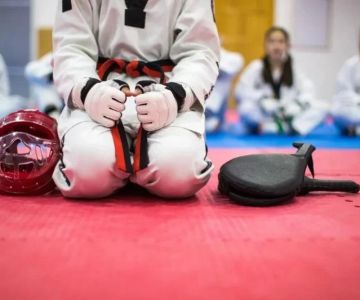
 Aikido of San Jose4.0 (7 reviews)
 Nikko Jujitsu School4.0 (9 reviews)
 Gracie Barra San Clemente Martial Arts4.0 (47 reviews)
 Karate Institute of America4.0 (4 reviews)
 Keweenaw Korean Martial Arts0.0 (0 reviews)
 Wing Chun School of Internal Arts5.0 (6 reviews)
 How to Execute a Jumping Roundhouse Kick to the Head
 How to Execute a Double Kick Combination in Sparring
 How to Perform a Flawless Axe Kick: A Step-by-Step Guide
 DIY Tae Kwon Do Training Equipment for Home Practice
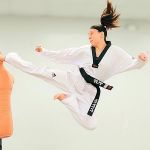 How to Increase Your Vertical Jump for Tae Kwon Do Flying Kicks
 The History of the Tae Kwon Do Peace Corps