
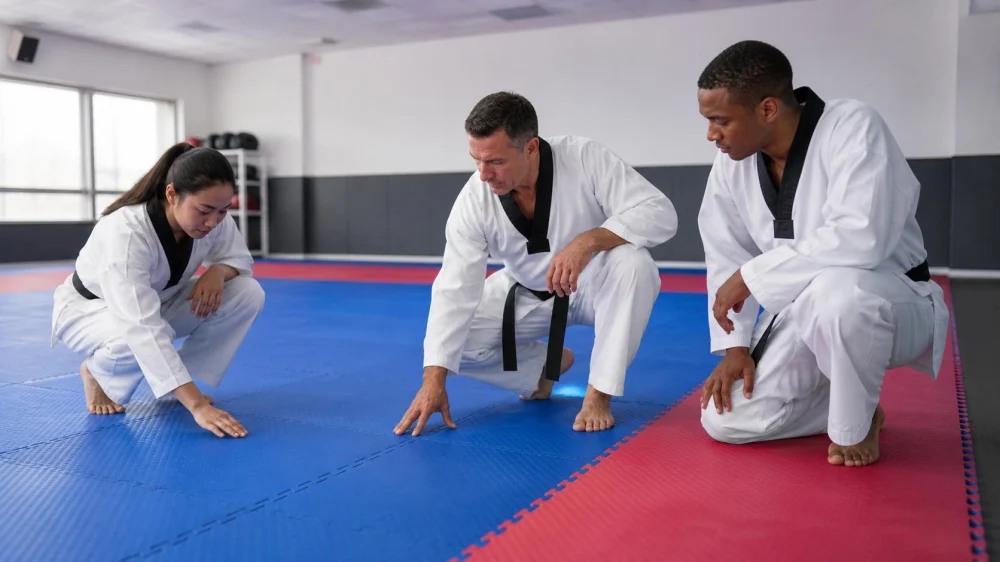
Tae Kwon Do Training Mat Check: Traction, Gaps, and Boundaries
Tae Kwon Do footwork, pivots, falls, and kicks depend on a stable training surface. A wet patch, lifted mat edge, widening seam, loose object, or crowded boundary can turn an ordinary drill into a collision. Students should follow the instructor’s inspection process, report hazards, and wait for correction rather than moving mats or continuing around the problem.
Learn the School Process
Ask who inspects the training area, how students report a problem, and what signal stops class. Some schools use puzzle mats, rolled surfaces, sprung floors, or shared gym flooring with different maintenance needs. Students should not assume they can tape, flip, clean, or relocate a mat. The instructor or facility staff decides when the area is safe.
Budo Martial Arts Studio / budo martial arts studio
Ewing TownshipMercer CountyNew Jersey
9 Scotch Rd, Ewing Township, NJ 08628, USA
Check Before Entry
Remove outdoor shoes where required and keep street grit, water, and chewing gum away from the floor. Store bags, bottles, footwear, and coats in designated areas. Dry wet feet and follow sock or barefoot rules. Do not carry hot drinks or open containers across the mat. Enter only after the instructor opens the space.
Champions Martial Arts Plainview / champions martial arts plainview
PlainviewNassau CountyNew York
10 Washington Ave, Plainview, NY 11803, USA
Scan the Surface
From the edge, look for water, sweat, dust, hair accessories, tape scraps, jewellery, splinters, broken equipment, and other debris. Check for discoloration that may indicate a spill. Do not pick up sharp, contaminated, or unknown items with bare hands. Alert staff and prevent others from stepping into the area while it is assessed.
Notice Seams and Edges
Look for raised corners, curling edges, soft spots, shifting sections, cracks, bubbles, and gaps that can catch toes. Pay special attention where mat meets wall, platform, doorway, or a different surface. A small seam can widen during repeated pivots. Mark the location from a safe distance and wait for authorized correction.
Test Traction Gently
During instructor-led warm-up, notice unexpected slipping, sticking, or unevenness under both feet. Do not perform a full-speed kick to “test” grip. Foot protectors, socks, lotion, sweat, and dust can change traction. If a new surface feels different, reduce speed and tell the instructor before partner drills or directional movement begins.
Keep Boundaries Clear
Maintain the school’s buffer around walls, mirrors, windows, posts, benches, equipment racks, and spectators. Emergency exits and accessible routes must stay open. Do not use a wall as an informal stretching bar unless permitted. If a kick could extend beyond the mat, reposition under the instructor’s direction rather than trusting a partner to block traffic.
Match Space to the Drill
Line drills, poomsae, pad work, sparring, and falling practice need different distances. Follow assigned lanes and direction. Before a kick, confirm the target holder, neighbouring pair, and backward travel zone. Stop when another group enters your space. Speed and contact should be reduced when the instructor changes spacing, group size, or drill complexity.
Stop for Spills
Call out and stop nearby movement when water, sweat, blood, or cleaning product reaches the surface. Follow the school’s body-fluid and cleaning protocol. Students should not wipe contamination with a uniform, bare hand, or shared towel. Keep clear until the responsible person cleans, dries, and reopens the area. Move bottles farther from active lanes.
Report, Do Not Repair
Describe the exact location and condition: “the seam near the back-left exit lifts when stepped on” is more useful than “the mat is bad.” Do not add household tape, slide sections, or place a bag over the hazard. Repair methods can affect fire, accessibility, hygiene, and manufacturer requirements. Let staff document and decide on closure.
Reset After Class
Collect personal items, check that no tape or broken gear remains, and follow assigned cleaning tasks. Report any new edge movement, spill, or impact that occurred late in class. Do not stack mats or heavy pads without training. Wash hands and care for feet according to school hygiene rules, especially after shared-surface practice.
For tournaments or classes in a temporary venue, repeat the check even when the mat brand looks familiar. Confirm how sections are restrained, where warm-up ends, what lies beneath the surface, and who controls spectator crossings. Lighting, basketball lines, floor markings, and nearby equipment can confuse boundaries. Use the event’s stop signal and reporting channel rather than assuming the home-school routine applies unchanged.
Students with mobility, balance, sensory, or vision needs can ask the instructor to explain surface changes and boundary cues before movement begins. A partner guide or modified lane may help when agreed, but it should not create a new obstacle. Accessibility planning belongs in the class setup, with the student’s input and privacy respected, rather than being improvised after the drill starts.
A safe Tae Kwon Do floor is a shared responsibility with clear roles. Students scan, keep boundaries clear, control spacing, stop for spills, and report exact hazards. Instructors and facility staff inspect, clean, repair, and decide when training resumes.
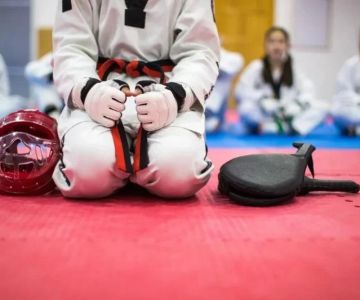
 Aikido of San Jose4.0 (7 reviews)
 Nikko Jujitsu School4.0 (9 reviews)
 Gracie Barra San Clemente Martial Arts4.0 (47 reviews)
 Karate Institute of America4.0 (4 reviews)
 Keweenaw Korean Martial Arts0.0 (0 reviews)
 Wing Chun School of Internal Arts5.0 (6 reviews)
 How to Execute a Jumping Roundhouse Kick to the Head
 How to Execute a Double Kick Combination in Sparring
 How to Perform a Flawless Axe Kick: A Step-by-Step Guide
 DIY Tae Kwon Do Training Equipment for Home Practice
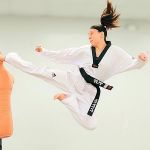 How to Increase Your Vertical Jump for Tae Kwon Do Flying Kicks
 The History of the Tae Kwon Do Peace Corps