
Tae Kwon Do Tournament Spectator: Seating and Courtesy
On this page
Quick answer
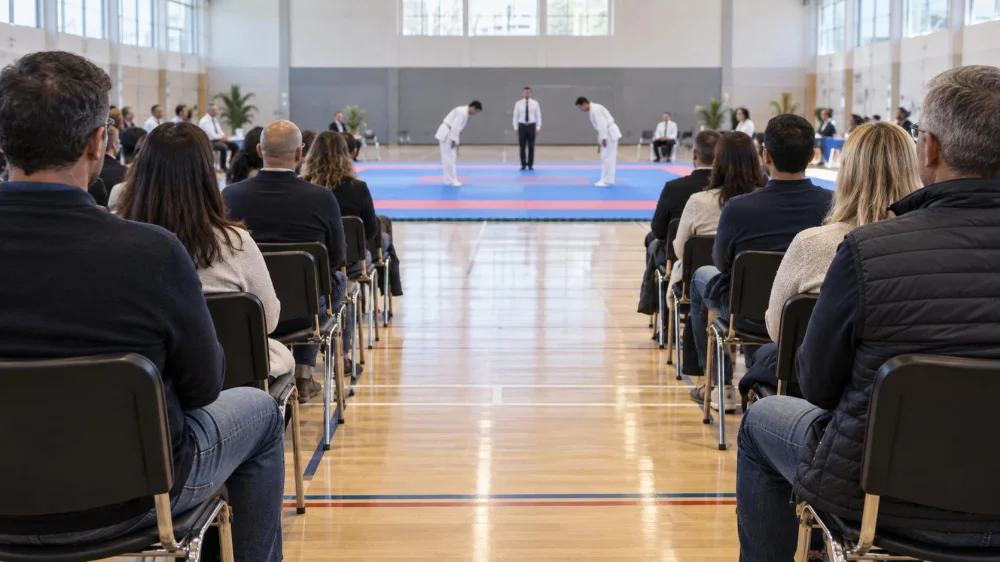
Before attending a Tae Kwon Do tournament, verify the venue, schedule, admission, seating, bag, photography, and reentry rules with the organizer. Arrive early, keep aisles and ring boundaries clear, move between matches when possible, and follow officials' directions. Cheer positively without coaching over the instructor or arguing calls from the spectator area.
Budo Martial Arts Studio / budo martial arts studio
Ewing TownshipMercer CountyNew Jersey
9 Scotch Rd, Ewing Township, NJ 08628, USA
Confirm event details before leaving
A tournament spectator plan is a simple check of access, timing, seating, and conduct so supporters can watch without adding pressure or blocking event operations. Rules differ by organizer, venue, competition format, and athlete age.
- Verify the full venue address, entrance, parking or transit plan, and opening time.
- Confirm admission price and accepted payment method without assuming online information is current.
- Check bag size, food, drink, chair, stroller, and reentry policies.
- Ask whether seating is assigned, general admission, school-specific, or restricted near competition areas.
- Review photography, livestream, and social-media rules, especially for youth divisions.
- Identify accessibility routes, companion seating, restrooms, and any accommodation contact.
Competition schedules can change as divisions progress. Treat a posted time as planning information, not a promise that one match will start at that exact minute. Keep the competitor's coach or team contact separate from general organizer contacts.
Champions Martial Arts Plainview / champions martial arts plainview
PlainviewNassau CountyNew York
10 Washington Ave, Plainview, NY 11803, USA
Plan arrival and check-in
Arrive early enough to park, enter, find the correct area, and settle without rushing the competitor. Spectators should not use athlete or official check-in lines unless directed. Keep tickets or wristbands accessible and follow screening instructions.
Agree on a meeting point away from busy doors and ring exits. If supporting a child, define which adult is responsible before the event begins. A tournament is not a substitute for childcare, and coaches may be focused on competitors rather than siblings or personal belongings.
Carry only what the venue allows. A compact layer, hearing protection when appropriate, water if permitted, essential medication, and a portable charger can be more useful than a large bag that consumes seating or aisle space.
Choose and use seating respectfully
- Use designated spectator seating and obey barriers, floor markings, and staff instructions.
- Keep aisles, accessible spaces, emergency exits, and competition entry routes clear.
- Do not reserve large blocks of seats with bags when others are waiting.
- Stand only where permitted and avoid blocking seated spectators behind you.
- Move to another ring during a break rather than crossing sightlines in the middle of a match.
- Keep food, drinks, and street shoes off competition mats unless the venue expressly allows them.
If you cannot see, ask an usher or event worker about an available viewing area. Do not step past a boundary or enter an officials' table area for a better angle.
Support competitors without disrupting officials
Use names and brief positive encouragement. Let the coach give technical instructions. Multiple voices calling different actions can confuse a competitor and interfere with the coach's plan.
Officials make decisions within the event's rules and review process. Spectators should not approach the ring, judges, score table, or another team to dispute a call. If the event permits a protest, the coach or authorized representative should use that process.
Respect every competitor. Avoid comments about body size, skill level, nationality, disability, gender, age, or result. Applaud effort and control as well as winning. After a loss, allow the athlete time to listen to the coach before beginning a detailed analysis.
Handle photos and video carefully
Confirm the organizer's policy before recording. A ticket does not automatically grant permission to film every participant or publish identifiable images. Avoid flash, tripods in aisles, equipment over barriers, and filming officials' screens or private staging areas.
Frame your own competitor as narrowly as possible and consider people visible behind the ring. Obtain appropriate permission before posting another person, particularly a minor. If staff or an official tells you to stop, stop recording first and clarify later away from active competition.
Important safety and event limits
This is general United States event-planning guidance, not a statement of any tournament's rules. The organizer, sanctioning body, venue, officials, and emergency staff control the event. Contact them for current requirements.
Do not enter a competition area to help an injured athlete unless officials direct you. Give medical and event staff room to work. Follow evacuation or shelter instructions immediately and use the agreed meeting point after leaving the venue.
Frequently asked questions
How early should spectators arrive?
Use the organizer's door and check-in times, then allow extra time for parking, screening, and finding the correct ring. Large events may require more time than local meets.
Can I bring my own chair?
Only if the venue allows it and identifies where personal chairs may be placed. Never put one in an aisle, accessible route, or ring boundary.
May I coach from the stands?
Positive support is appropriate, but technical shouting can conflict with the designated coach. Follow team and event expectations and let the coach manage match instructions.
What should I do if a result seems wrong?
Do not confront officials. Tell the competitor's coach calmly and let the authorized person decide whether an event review or protest process applies.
Sources and evidence notes
This guide reflects common organized-sport and venue practices: controlled access, clear emergency routes, designated competition boundaries, official protest channels, and consent-aware photography. Exact requirements must be confirmed with the current event organizer and venue.
Next steps
Save the organizer's current event page and contact details, confirm access and camera rules, and pack only permitted essentials. Agree on a meeting point and supportive cheering plan. At the venue, follow staff directions, protect aisles and ring boundaries, and let coaches and officials perform their roles.
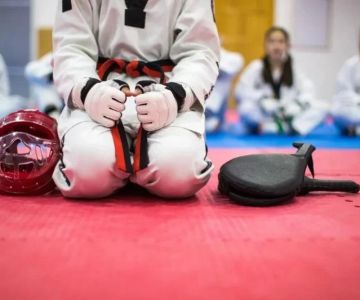
 Aikido of San Jose4.0 (7 reviews)
 Nikko Jujitsu School4.0 (9 reviews)
 Gracie Barra San Clemente Martial Arts4.0 (47 reviews)
 Karate Institute of America4.0 (4 reviews)
 Keweenaw Korean Martial Arts0.0 (0 reviews)
 Wing Chun School of Internal Arts5.0 (6 reviews)
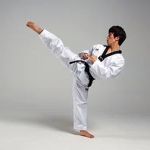 How to Execute a Jumping Roundhouse Kick to the Head
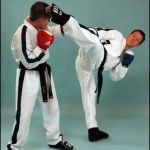 How to Execute a Double Kick Combination in Sparring
 How to Perform a Flawless Axe Kick: A Step-by-Step Guide
 DIY Tae Kwon Do Training Equipment for Home Practice
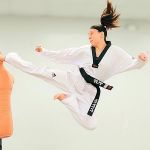 How to Increase Your Vertical Jump for Tae Kwon Do Flying Kicks
 The History of the Tae Kwon Do Peace Corps