
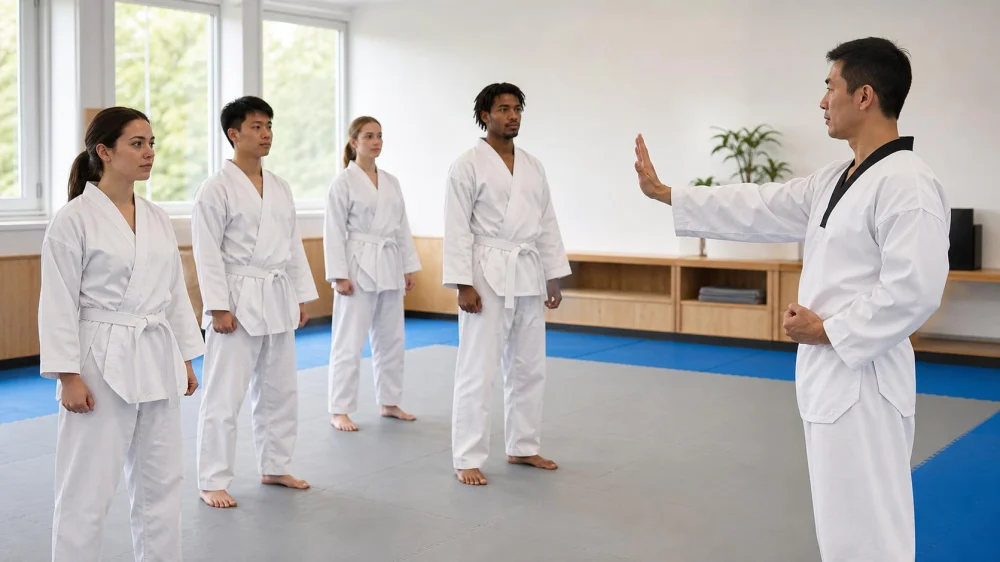
Tae Kwon Do Class Commands: Follow and Clarify Safely
On this page
Quick answer
In Tae Kwon Do class, learn each command as a three-part cue: the sound or word, the required action, and the situation in which it applies. Watch the instructor, stop movement when uncertain, and ask for a demonstration before repeating a drill. Never copy a nearby student into a kick, turn, or partner exchange when you did not hear the start, stop, target, or contact level.
This guide is for beginners in U.S. schools. Korean romanization, pronunciation, etiquette, curriculum, and English commands vary by organization and instructor, so your dojang's method is the authority for class.
Budo Martial Arts Studio / budo martial arts studio
Ewing TownshipMercer CountyNew Jersey
9 Scotch Rd, Ewing Township, NJ 08628, USA
Why commands vary
Tae Kwon Do schools may use Korean, English, counting, hand signals, whistles, timers, or a combination. The same Korean word can appear with different English spellings because romanization systems and school traditions differ.
Competition commands are designed for formal matches or forms divisions. A local class may use additional cues for line formation, stance, chamber, target changes, partner rotation, protective gear, water breaks, and dismissal. Do not assume a command learned online has exactly the same action in your school.
The goal is reliable response, not perfect accent on day one. Listening, safe control, respectful questions, and gradual vocabulary practice matter more than pretending to understand.
Champions Martial Arts Plainview / champions martial arts plainview
PlainviewNassau CountyNew York
10 Washington Ave, Plainview, NY 11803, USA
Learn command, action, and context
Create a three-column page in your training notebook:
- Command: write the spelling used by your school and a pronunciation cue your instructor approves.
- Action: describe the observable response, such as attention stance, bow, ready position, begin, stop, continue, return, or relax.
- Context: note whether it is used in basics, forms, sparring, testing, line-up, or competition practice.
Common formal examples include commands translated as attention, bow, ready, start, stop, continue, return, and rest. Learn them from your instructor's demonstration. A familiar word can still require a different stance, direction, timing, or partner response in another context.
Also learn nonverbal cues: where the instructor stands, how hands indicate lines or targets, which direction the class turns, and what signal ends contact. Ask which cue takes priority if voice and timer overlap.
What to do when you miss a command
- Freeze in control. Stop the technique and keep balance rather than rushing to catch up.
- Protect space. Keep hands controlled and avoid stepping into another student's lane.
- Look to the instructor. Do not turn your back on an active partner exchange unless the drill has stopped.
- Ask briefly. “Please repeat the command” or “Which side and contact level?” is enough.
- Watch one demonstration. Confirm starting position, direction, target, count, power, and ending position.
- Rejoin on a clear cue. Do not enter midway through a moving line or combination without permission.
If hearing, language processing, attention, vision, or another access need affects commands, speak with the instructor before class about a consistent visual cue, front-row position, written sequence, partner signal, or other reasonable approach.
Partner drill and sparring rules
Partner work needs explicit agreement. Before beginning, both students should know the attacker and defender roles, target, technique, repetitions, speed, contact level, and stop signal.
- Do not begin because another pair begins.
- Stop immediately for the instructor's stop cue, partner tap, loss of gear, collision risk, pain, or confusion.
- Do not add speed, contact, or an extra technique that was not assigned.
- Reset distance and stance before continuing.
- Ask the instructor when partners interpret the cue differently.
In noisy classes, repeat the assigned sequence to the partner before the first repetition. This is confirmation, not coaching over the instructor.
Practice commands without guessing
- Choose five commands used frequently in your current class.
- Ask the instructor to verify spelling, meaning, and action.
- Practise moving from a neutral safe stance without speed or power.
- Mix the order so you respond to meaning rather than memorized sequence.
- Add one context at a time: basics, forms, then controlled partner work.
- Review after class and correct notes while the lesson is fresh.
Audio practice can help pronunciation, but do not use headphones or a recording to run unsupervised contact drills. Keep solo practice within the space, technique, and intensity approved for you.
Limits and important notes
A vocabulary list cannot teach timing, technique, etiquette, or safety. Competition rule terms also do not automatically describe a school's promotion or class procedures.
Students should follow school policies for injury, concussion symptoms, protective equipment, contact, and return to training. If a command is missed because of dizziness, confusion, vision change, or a blow to the head, stop and alert the instructor rather than treating it as a language mistake.
Respectful clarification is a training skill. An instructor should know when a student is uncertain before a moving drill begins. Parents of younger students can ask how the school teaches stop cues and confirms understanding.
Frequently asked questions
Do all Tae Kwon Do schools use the same Korean commands?
No. Many share common terms, but pronunciation, spelling, curriculum, additional cues, and expected actions vary. Learn the system taught by your current school.
Should I copy the highest belt when I am lost?
Observation can help in a stationary line, but copying is unsafe when direction, contact, or timing is unclear. Stop and ask the instructor before moving.
Is it disrespectful to ask for a repeated command?
No. Ask briefly at an appropriate moment. Safe, accurate understanding is more respectful than guessing through a drill.
What is the first stop command I should learn?
Ask your school which verbal and nonverbal cues immediately stop movement and partner contact. Practise that response before learning faster combinations.
Can I learn commands from competition videos?
They can provide context for formal events, but local class practice may differ. Verify every term and action with your instructor.
Sources and evidence notes
This article uses general class-safety principles and recognizes that formal competition has standardized commands. World Taekwondo's official rules library publishes current competition documents that include referee commands for attention, bowing, readiness, starting, stopping, and continuing. Those documents govern specified competitions, not every dojang lesson.
Next steps
Ask your instructor for the five commands you need most this week, including the immediate stop cue. Record each word, action, and class context, then practise them slowly without contact. During class, stop in control and clarify whenever target, direction, speed, or contact level is uncertain.

 Aikido of San Jose4.0 (7 reviews)
 Nikko Jujitsu School4.0 (9 reviews)
 Gracie Barra San Clemente Martial Arts4.0 (47 reviews)
 Karate Institute of America4.0 (4 reviews)
 Keweenaw Korean Martial Arts0.0 (0 reviews)
 Wing Chun School of Internal Arts5.0 (6 reviews)
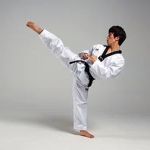 How to Execute a Jumping Roundhouse Kick to the Head
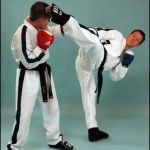 How to Execute a Double Kick Combination in Sparring
 How to Perform a Flawless Axe Kick: A Step-by-Step Guide
 DIY Tae Kwon Do Training Equipment for Home Practice
 How to Increase Your Vertical Jump for Tae Kwon Do Flying Kicks
 The History of the Tae Kwon Do Peace Corps