
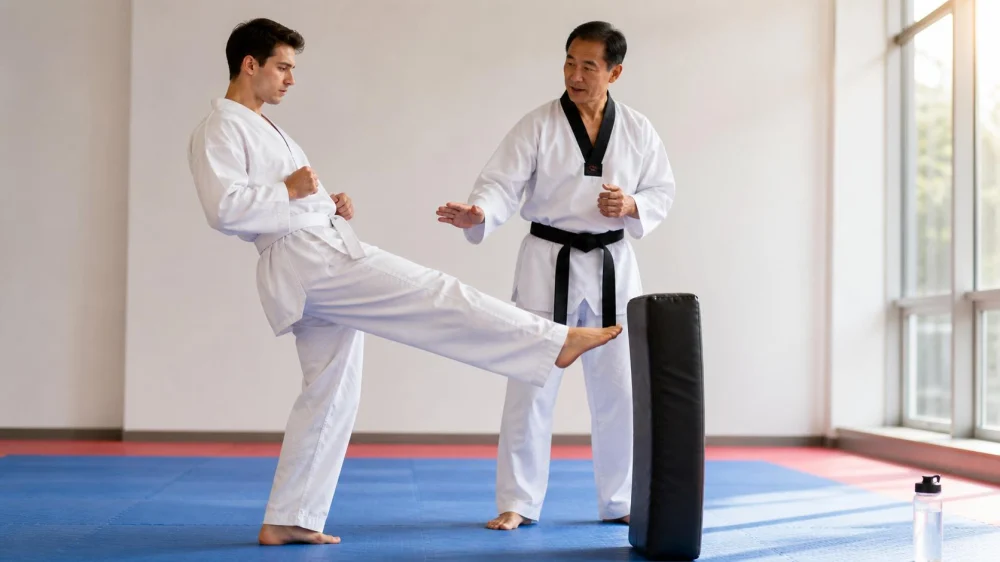
Tae Kwon Do After a Break: Return to Class Gradually
On this page
Quick answer
After time away from Tae Kwon Do, tell the instructor how long you were off and whether injury or illness was involved. Return with shorter, lower-intensity practice, rebuild stance and kicking control before speed or contact, and allow recovery between classes. Stop for pain, dizziness, chest symptoms, or unusual weakness, and obtain medical clearance when appropriate.
Budo Martial Arts Studio / budo martial arts studio
Ewing TownshipMercer CountyNew Jersey
9 Scotch Rd, Ewing Township, NJ 08628, USA
Check before returning
Consider why training stopped. A busy schedule may require only gradual conditioning, while surgery, concussion, fracture, infection, pregnancy, or a new health condition may need clinician guidance. Do not treat a calendar date as medical clearance.
Check the class schedule, mat rules, current curriculum, uniform, belt, protective gear, water bottle, and medication plan. Equipment may no longer fit after growth or body changes.
Champions Martial Arts Plainview / champions martial arts plainview
PlainviewNassau CountyNew York
10 Washington Ave, Plainview, NY 11803, USA
Talk with the instructor
Before class, explain the length of the break, previous rank, current restrictions, and goals. Ask which class level is appropriate and how to signal when you need to stop. A respectful school should allow questions and age-appropriate, safe training.
- Which drills involve contact?
- Can repetitions, height, speed, or range be reduced?
- Who chooses partners?
- Where are breaks and first-aid supplies?
- What safeguarding and reporting policies apply?
Plan the first class
- Arrive early and check the mat for traction and space.
- Complete the instructor-led warm-up without racing others.
- Use comfortable stance depth and controlled range.
- Practice technique below maximal speed.
- Skip high-risk or contact drills when not ready.
- Take water and recovery breaks.
- End before fatigue removes control.
Rank does not require immediate return to former intensity. Technique knowledge may return faster than conditioning, timing, balance, and tolerance.
Rebuild skills in order
Start with posture, guard, stance transitions, chamber position, controlled extension, and retraction. Use low targets before increasing height. For poomsae, review sections and directions before full-speed sequences.
Partner drills should begin with agreed speed, contact, target, and stop cue. Sparring belongs later, after footwork, distance, protective gear, rules, and control are reliable.
Manage intensity
Increase one variable at a time: class duration, weekly frequency, repetitions, kick height, speed, complexity, or contact. If everything rises together, it is difficult to identify what caused excessive soreness or technical breakdown.
Use talk, breathing, and movement quality as simple signals. When balance degrades, kicks land without control, or guard repeatedly drops, reduce intensity or stop.
Recover between classes
Leave enough time for soreness and fatigue to settle. Sleep, normal balanced meals, hydration, and easy movement support recovery. Do not use pain medicine to hide symptoms and force training.
Inspect feet for blisters, nails, and skin damage. Clean and dry the dobok and protective equipment. Record which drills felt comfortable and which need modification next time.
Know warning signs
Stop immediately for chest pain, fainting, severe shortness of breath, new neurological symptoms, a suspected concussion, or serious injury. Seek urgent care as appropriate. Persistent joint pain, swelling, instability, weakness, or pain that changes technique deserves clinical assessment.
After any head impact with symptoms such as headache, confusion, dizziness, nausea, memory problems, or balance changes, leave training and follow a formal concussion evaluation and return-to-sport process.
Return checklist
- Medical restrictions and clearance are understood.
- The instructor knows the break and limitations.
- Uniform and gear fit and are clean.
- First classes have reduced intensity.
- Technique precedes speed, height, and contact.
- Partner rules and stop cues are agreed.
- Recovery days are planned.
- Symptoms are not hidden or trained through.
Important limitations
This is general sport-safety information, not medical clearance or coaching prescription. Age, health, injury, school style, rank, equipment, and competition rules vary. Follow clinician restrictions, instructor direction, governing-body rules, and facility emergency procedures.
Sources and evidence notes
- USA Taekwondo: athlete safety, training, and safeguarding resources.
- U.S. Center for SafeSport: education for safe and respectful coach-athlete environments.
- Centers for Disease Control and Prevention: concussion recognition and return-to-sport principles.
- Qualified clinicians and instructors: individual return after injury, illness, or long inactivity.
Frequently asked questions
Should I return at my old belt level?
Rank remains a school matter, but class intensity may need adjustment. Ask the instructor which group and modifications fit.
When can I spar again?
After movement control, conditioning, gear, rules, and any medical clearance are restored. The instructor should approve the progression.
Is soreness normal after the first class?
Mild muscle soreness can occur. Sharp pain, swelling, instability, severe symptoms, or persistent limitation should be assessed.
Can I make up lost fitness with extra classes?
A sudden volume jump increases fatigue. Build gradually and prioritize consistency over compressing missed training.
Conclusion
A smart Tae Kwon Do return respects the gap between remembered skill and current readiness. Communicate openly, begin below former intensity, rebuild control before contact, and recover between sessions. Progress belongs to the athlete, instructor, and clinician when needed—not to pressure from rank or the calendar.
 Aikido of San Jose4.0 (7 reviews)
 Nikko Jujitsu School4.0 (9 reviews)
 Gracie Barra San Clemente Martial Arts4.0 (47 reviews)
 Karate Institute of America4.0 (4 reviews)
 Keweenaw Korean Martial Arts0.0 (0 reviews)
 Wing Chun School of Internal Arts5.0 (6 reviews)
 How to Execute a Jumping Roundhouse Kick to the Head
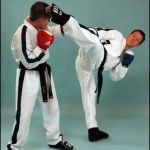 How to Execute a Double Kick Combination in Sparring
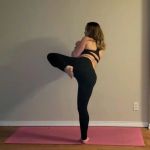 How to Perform a Flawless Axe Kick: A Step-by-Step Guide
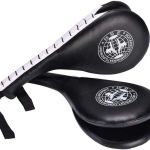 DIY Tae Kwon Do Training Equipment for Home Practice
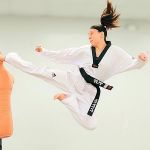 How to Increase Your Vertical Jump for Tae Kwon Do Flying Kicks
 The History of the Tae Kwon Do Peace Corps