
- importance-of-strength-and-conditioning-in-tae-kwon-do - why-physical-fitness-matters
- key-areas-to-focus-on-for-tae-kwon-do-conditioning - muscle-groups-and-mobility
- best-strength-and-conditioning-exercises-for-tae-kwon-do - exercises-for-kicks-and-endurance
- creating-a-tae-kwon-do-workout-routine - building-a-training-schedule
- real-stories-from-tae-kwon-do-practitioners - lessons-from-experienced-athletes
The Importance of Strength and Conditioning in Tae Kwon Do
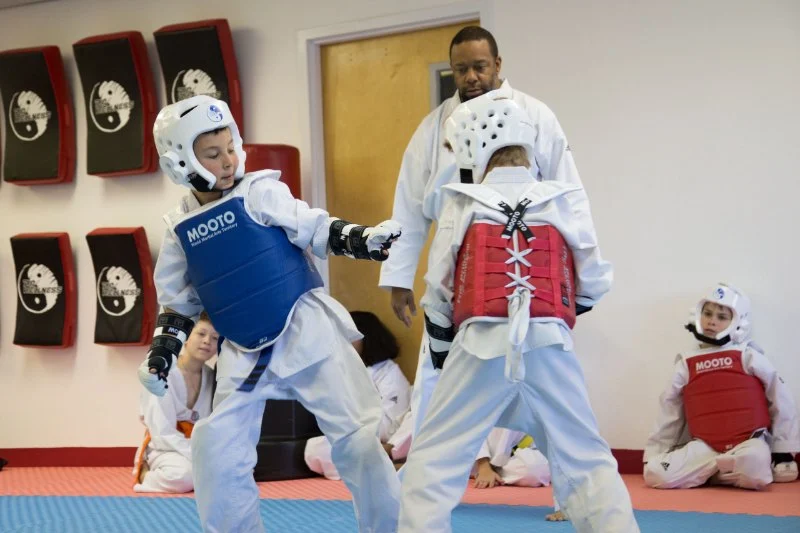
Tae Kwon Do is a dynamic and fast-paced martial art that demands strength, flexibility, and endurance. Whether you’re a beginner or an advanced practitioner, incorporating strength and conditioning into your training can significantly improve your performance. These workouts help develop the physical attributes required to execute powerful kicks, maintain stamina during sparring, and enhance overall technique.
1. Enhancing Power and Explosiveness
Strong legs, core, and arms are essential for executing high, fast kicks, punches, and blocks in Tae Kwon Do. Conditioning exercises help build power and explosiveness, which is critical for both offense and defense in sparring.
2. Building Endurance for Competitions
Whether you’re preparing for a tournament or training for personal growth, endurance is key in Tae Kwon Do. Strength training not only improves muscle endurance but also enhances cardiovascular health, allowing you to maintain peak performance throughout a match.
Key Areas to Focus on for Tae Kwon Do Conditioning
When it comes to conditioning for Tae Kwon Do, it’s important to target specific areas that directly impact your martial arts performance. Focusing on the right muscle groups and mobility will ensure you get the most out of your strength training.
1. Legs and Core Strength
In Tae Kwon Do, your legs are the driving force behind most techniques. Strong legs allow you to execute powerful kicks, maintain balance, and move quickly during sparring. Your core plays a vital role in supporting your kicks and strikes. Strengthening these areas through exercises like squats, lunges, and planks will improve your overall stability and technique.
2. Flexibility and Mobility
Flexibility is key in performing high, swift kicks and preventing injuries. Regular stretching routines targeting the hips, hamstrings, and lower back will improve your range of motion and help you execute moves more fluidly. Dynamic stretching before training and static stretching after training should be part of your routine to maximize flexibility.
3. Upper Body Strength
While the focus in Tae Kwon Do is often on legwork, the upper body plays a crucial role in balance, blocking, and striking. Exercises like push-ups, pull-ups, and shoulder presses can help develop the necessary strength for solid punches and effective blocks.
Best Strength and Conditioning Exercises for Tae Kwon Do
Incorporating a variety of strength and conditioning exercises into your training will help you improve different aspects of your Tae Kwon Do performance. Here are some of the best exercises to include in your routine.
1. Squats and Lunges for Leg Strength
Squats are one of the most effective exercises for building leg strength. They target your quadriceps, hamstrings, and glutes, all of which are essential for executing powerful kicks. Lunges also help improve lower body strength and coordination. Both exercises contribute to better balance, stability, and agility.
2. Core Workouts: Planks and Leg Raises
Building core strength is crucial for maintaining control during kicks and for overall body alignment. Incorporate planks, leg raises, and Russian twists into your routine to strengthen your abs and lower back. A strong core will help with power generation and improve your endurance during sparring sessions.
3. Plyometrics for Explosiveness
Plyometric exercises like jump squats, box jumps, and burpees increase explosive power, which is essential for fast kicks and quick reaction time. These exercises mimic the explosive movements used in Tae Kwon Do and can help you improve your overall performance.
4. Shadowboxing and Bag Work for Endurance
Shadowboxing and hitting the heavy bag not only build muscle strength but also improve cardiovascular endurance. These exercises simulate real sparring situations, helping you maintain a high energy level throughout a match while also refining technique.
Creating a Tae Kwon Do Workout Routine
Building a comprehensive workout routine is key to improving both strength and conditioning for Tae Kwon Do. A balanced schedule should include strength training, flexibility work, technique drills, and sparring practice.
1. Structure Your Weekly Training
To maximize your training, aim for 3-4 strength and conditioning workouts per week. Alternate between lower-body and upper-body workouts to give muscle groups time to recover. Additionally, dedicate 1-2 days a week to flexibility training and technique practice, allowing your body to rest and recuperate.
2. Include Recovery Days
Recovery is an essential part of any training plan. Schedule rest days to give your muscles time to repair and rebuild. Incorporating active recovery, such as light yoga or swimming, can help alleviate muscle soreness and improve overall flexibility.
3. Monitor Your Progress and Adjust
As you progress, you should continuously monitor your performance and adjust your routine accordingly. Track improvements in strength, flexibility, and endurance. Gradually increase the intensity of your exercises to challenge yourself and continue making gains.
Real Stories from Tae Kwon Do Practitioners: Overcoming Conditioning Challenges
Many advanced Tae Kwon Do practitioners have learned the importance of conditioning the hard way. Here are some real-life stories from martial artists who have improved their performance through strength and conditioning.
1. A Competitor’s Journey to Improved Endurance
A Tae Kwon Do competitor shared how they struggled with fatigue during competitions. After incorporating plyometric exercises and endurance training into their routine, they noticed a significant improvement in their stamina, allowing them to perform better during long sparring sessions.
2. Overcoming Strength Limitations with Consistent Training
Another practitioner recounted how they lacked the leg strength needed to execute high kicks effectively. By consistently training with squats, lunges, and core exercises, they were able to increase their leg power and improve their kick height, which led to better scores in competitions.
Take Your Tae Kwon Do Skills to the Next Level with the Right Tools
Strength and conditioning are fundamental for improving your Tae Kwon Do skills. With consistent effort and a structured plan, you’ll build the physical strength, endurance, and mental focus required to take your martial arts performance to new heights.
1. Explore Resources for Martial Arts Training
For more training tips and expert advice on how to improve your Tae Kwon Do skills, visit Jeuns TKD Hub for comprehensive guides and resources to optimize your conditioning and strength-building efforts.
By integrating strength and conditioning into your Tae Kwon Do training, you will enhance not just your physical abilities but also your overall martial arts performance. Stay disciplined, focused, and committed to reaching new levels of excellence in your Tae Kwon Do journey!


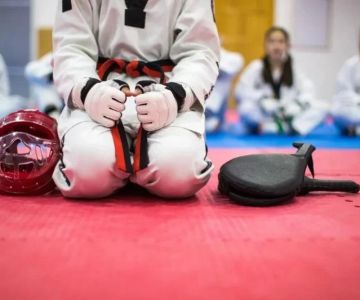
 Massachusetts Taekwondo Academy5.0 (93 reviews)
 Okito America (Archer Rd)4.0 (140 reviews)
 Round Rock Shaolin Do Kung Fu4.0 (156 reviews)
 Steel City Martial Arts4.0 (90 reviews)
 Jiu-Jitsu Kaizen Academy5.0 (3 reviews)
 M. C. Kim's TaeKwonDo USA4.0 (7 reviews)
 How to Execute a Jumping Roundhouse Kick to the Head
 How to Execute a Double Kick Combination in Sparring
 How to Perform a Flawless Axe Kick: A Step-by-Step Guide
 DIY Tae Kwon Do Training Equipment for Home Practice
 How to Increase Your Vertical Jump for Tae Kwon Do Flying Kicks
 The History of the Tae Kwon Do Peace Corps