
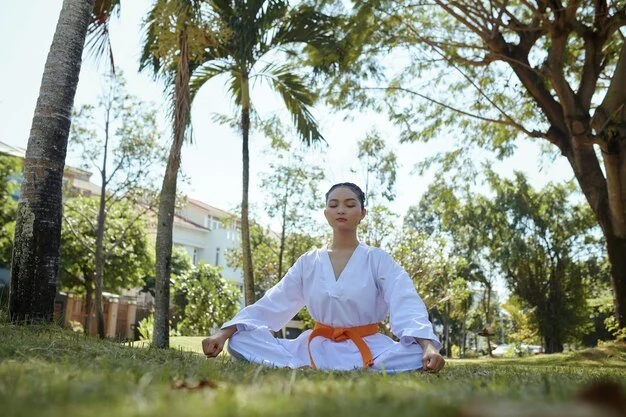
1. Introduction: The Power of Breathing in Tae Kwon Do
Breathing is something we do automatically, but when it comes to martial arts, specifically Tae Kwon Do, learning how to control and optimize your breath can make a significant difference in your performance. Proper breathing techniques not only enhance endurance and power but also help practitioners stay focused and maintain calmness during intense sparring or competitions. In this article, we will explore how to use breathing techniques to improve your Tae Kwon Do performance and why this often-overlooked skill is essential for martial artists.
Franklin Family Taekwondo / franklin family taekwondo
FranklinWilliamson CountyTennessee
454 Downs Blvd #140, Franklin, TN 37064, USA
2. The Science Behind Breathing and Performance
Breathing is integral to many aspects of martial arts performance. It affects your energy levels, mental clarity, and even the execution of techniques. By learning to control your breathing, you can optimize the oxygen intake to your muscles, allowing you to perform longer and more powerfully. Breathing also influences your nervous system. Calm, deep breaths help activate the parasympathetic nervous system, which promotes relaxation and focus. On the other hand, short, sharp breaths can prepare the body for quick movements by stimulating the sympathetic nervous system.

UMAC Ardsley - United Martial Arts Centers / umac ardsley
ArdsleyWestchester CountyNew York
15 Center St #2, Ardsley, NY 10502, USA
3. Breathing Techniques for Improved Tae Kwon Do Performance
3.1 Diaphragmatic Breathing: The Foundation of Control
Diaphragmatic breathing, also known as belly breathing, is one of the most effective techniques for controlling breath during Tae Kwon Do practice. This involves breathing deeply into your diaphragm rather than shallowly into your chest. This technique helps maximize the intake of oxygen, which is essential for endurance and stamina during training. To practice diaphragmatic breathing, inhale deeply through your nose, allowing your stomach to expand, and then exhale slowly through your mouth. This helps maintain steady energy levels throughout long sessions.
3.2 The Power of the Exhalation
In Tae Kwon Do, powerful exhalations are often linked with strikes, blocks, and kicks. The sharp exhalation helps generate more force and power during the execution of a technique. By coordinating your breath with your movements, you can harness your energy more effectively. For example, exhaling sharply when performing a punch or a kick can increase the force of the action while helping you maintain control over your body. This type of breath control is essential for both precision and power.
3.3 Box Breathing for Focus and Calm
Box breathing, or square breathing, is a simple yet highly effective technique for maintaining focus and composure. This method involves inhaling for a count of four, holding the breath for four, exhaling for four, and then holding the breath again for four. This rhythm helps calm the mind, regulate heart rate, and reduce anxiety. For Tae Kwon Do practitioners, staying calm and focused is crucial, especially during high-pressure situations such as sparring or competitions. Box breathing helps you manage stress and stay composed in these moments.
3.4 Breath Control for Endurance
In martial arts, especially in Tae Kwon Do, stamina and endurance are critical for success. Long sparring sessions or intense practice can drain your energy quickly if you're not breathing properly. By practicing controlled breathing, such as rhythmic inhalations and exhalations, you can reduce fatigue and maintain performance throughout extended training. For example, practicing a steady breathing pattern while executing a series of kicks can help reduce muscle fatigue and prevent exhaustion. Controlled breathing ensures that your body can keep moving even when fatigue sets in.
4. How Breathing Techniques Help You During Sparring
4.1 Enhancing Speed and Agility
Breathing plays a crucial role in your body’s ability to move quickly and react with precision during sparring. Controlled breathing allows you to stay light on your feet and maintain quick, sharp movements. By ensuring that you're not holding your breath or breathing erratically, you can keep your muscles oxygenated and ready to move. This results in faster reactions and smoother transitions between attacks and defenses.
4.2 Improving Mental Focus
One of the key benefits of using breathing techniques in Tae Kwon Do is the improvement in mental focus. Martial arts require not only physical skill but also a high level of mental acuity. By incorporating mindful breathing into your training, you can enhance your ability to concentrate and stay focused during your practice or competition. Deep breathing helps clear the mind of distractions, allowing you to be fully present and in control of your actions. This focus is particularly important when executing complex patterns (forms) or when you're under pressure during sparring.
4.3 Staying Relaxed Under Pressure
In sparring or competition, the pressure to perform can sometimes cause anxiety or tension. This tension can negatively impact your performance. Using breathing techniques like deep breathing or box breathing can help release this tension and allow you to remain calm under pressure. By learning to control your breath, you can prevent the body from becoming too rigid or tense, which would otherwise hinder your fluidity of movement and overall performance.
5. Real-Life Examples: Athletes Who Mastered Breathing
Many top Tae Kwon Do athletes incorporate breath control into their daily training routines. For instance, Olympic athletes and top competitors regularly practice breathing exercises to improve both their physical and mental performance. They use techniques such as diaphragmatic breathing for stamina, and box breathing to stay calm and focused in high-pressure moments. Their success serves as a testament to the power of breath control in martial arts, and it’s a skill that all Tae Kwon Do practitioners can benefit from, regardless of their experience level.
6. Conclusion: Breathing as a Key to Tae Kwon Do Success
Breathing is an essential yet often overlooked aspect of Tae Kwon Do training. By incorporating proper breathing techniques into your routine, you can improve your focus, endurance, power, and relaxation. Whether you're preparing for a competition, working on your form, or sparring, breath control can elevate your performance to new heights. Don’t underestimate the power of the breath—it's the key to unlocking your full potential in Tae Kwon Do.
For more expert tips and resources on enhancing your Tae Kwon Do performance, visit Jeuns TKD Hub today!



 Youmans Kenpo Warriors Karate & Fitness5.0 (5 reviews)
 Shoshin Ryu Martial Arts4.0 (34 reviews)
 Allegiance Martial Arts5.0 (43 reviews)
 540 Taekwondo - Martial Arts4.0 (30 reviews)
 Vertical Taekwondo5.0 (75 reviews)
 Gig Harbor Mixed Martial Arts/Checkmat Gig Harbor4.0 (42 reviews)
 How to Execute a Jumping Roundhouse Kick to the Head
 How to Execute a Double Kick Combination in Sparring
 How to Perform a Flawless Axe Kick: A Step-by-Step Guide
 DIY Tae Kwon Do Training Equipment for Home Practice
 How to Increase Your Vertical Jump for Tae Kwon Do Flying Kicks
 The History of the Tae Kwon Do Peace Corps