
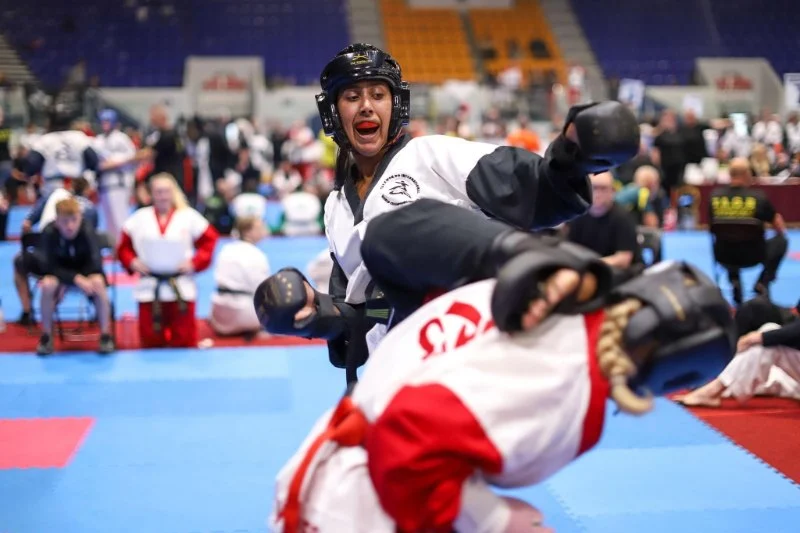
Effective Strategies to Train for Tae Kwon Do Competitions Without Burnout
- 1-Understanding the Risk of Burnout
- 2-Planning a Structured Training Schedule
- 3-Physical Conditioning and Technique Focus
- 4-Recovery and Injury Prevention
- 5-Mental Preparation and Motivation
- 6-Real-Life Examples of Successful Competition Training
- 7-How Jeuns TKD Hub Can Support Your Training
1. Understanding the Risk of Burnout
Intense training for Tae Kwon Do competitions can lead to physical and mental burnout if not managed properly. Overtraining, insufficient rest, and lack of proper nutrition contribute to fatigue, decreased performance, and higher injury risk. Recognizing early signs such as persistent soreness, mood changes, and reduced motivation helps prevent long-term setbacks.
Many martial artists emphasize the importance of balancing training intensity with recovery periods to maintain consistent progress.
Budo Martial Arts Studio / budo martial arts studio
Ewing TownshipMercer CountyNew Jersey
9 Scotch Rd, Ewing Township, NJ 08628, USA
2. Planning a Structured Training Schedule
A well-structured schedule balances skill development, sparring practice, and physical conditioning. Divide training into focused sessions, alternating high-intensity drills with lighter technique refinement. Include weekly rest days and adjust training volume based on competition timelines and individual performance feedback.
Experienced coaches recommend using periodization, gradually increasing intensity and complexity to peak performance while minimizing burnout.
Champions Martial Arts Plainview / champions martial arts plainview
PlainviewNassau CountyNew York
10 Washington Ave, Plainview, NY 11803, USA
3. Physical Conditioning and Technique Focus
Physical conditioning, including strength, agility, and endurance exercises, enhances overall performance. Focused technique training ensures precision in kicks, blocks, and forms. Combining these elements allows athletes to maintain high performance during competitions without overexertion.
Martial artists often rotate conditioning drills and technical exercises to keep training varied and engaging, reducing mental fatigue and promoting skill retention.
4. Recovery and Injury Prevention
Recovery strategies, such as adequate sleep, stretching, foam rolling, and hydration, are essential to prevent injuries. Periodic assessments by coaches or physical therapists can identify potential issues early. Incorporating active recovery sessions like light cardio or yoga improves flexibility and reduces muscle tension.
Real-life training programs show that athletes who prioritize recovery experience fewer injuries and sustain peak performance during competitions.
5. Mental Preparation and Motivation
Mental resilience is crucial for competitive Tae Kwon Do. Techniques such as visualization, goal setting, and mindfulness can help maintain focus and confidence. Maintaining motivation through small milestones and positive reinforcement prevents psychological burnout and encourages consistent training adherence.
Many athletes use journaling and self-assessment to track progress and stay motivated, ensuring mental readiness for competition day.
6. Real-Life Examples of Successful Competition Training
Consider a junior competitor who incorporated periodized training, alternating high-intensity sparring with lighter technique sessions and recovery days. By listening to their body and adjusting the schedule, they achieved personal best results without experiencing fatigue or injuries.
Another example includes a college-level Tae Kwon Do team that scheduled team sessions and individual drills strategically, reducing burnout while improving overall team performance in tournaments.
7. How Jeuns TKD Hub Can Support Your Training
Jeuns TKD Hub provides expert guidance, training plans, and resources for athletes preparing for competitions. With advice on skill development, conditioning, recovery strategies, and mental preparation, Jeuns TKD Hub helps practitioners train effectively and safely, minimizing the risk of burnout and maximizing performance potential.

 Aikido of San Jose4.0 (7 reviews)
 Nikko Jujitsu School4.0 (9 reviews)
 Gracie Barra San Clemente Martial Arts4.0 (47 reviews)
 Karate Institute of America4.0 (4 reviews)
 Keweenaw Korean Martial Arts0.0 (0 reviews)
 Wing Chun School of Internal Arts5.0 (6 reviews)
 How to Execute a Jumping Roundhouse Kick to the Head
 How to Execute a Double Kick Combination in Sparring
 How to Perform a Flawless Axe Kick: A Step-by-Step Guide
 DIY Tae Kwon Do Training Equipment for Home Practice
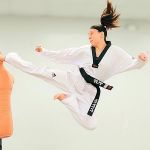 How to Increase Your Vertical Jump for Tae Kwon Do Flying Kicks
 The History of the Tae Kwon Do Peace Corps