
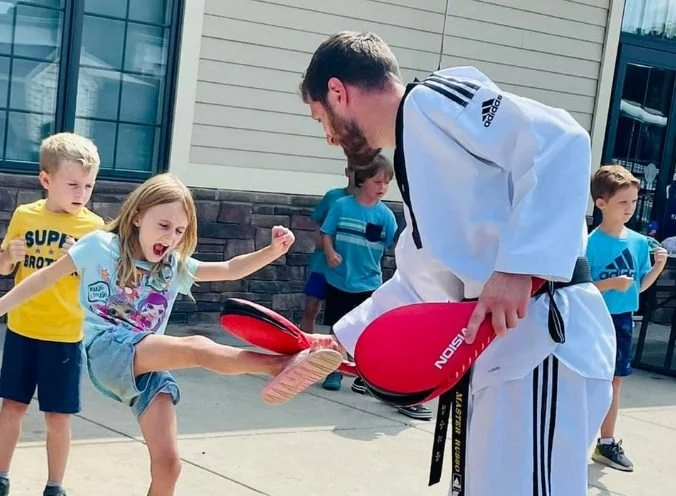
- 1-Understanding the Five Tenets of Tae Kwon Do
- 2-Integrating Tenets into Daily Activities
- 3-Practical Home Exercises for Kids
- 4-Real-Life Stories and Case Studies
- 5-Encouraging Consistency and Growth
- 6-Resources and Support for Parents
1. Understanding the Five Tenets of Tae Kwon Do
Before teaching your children Tae Kwon Do at home, it’s essential to understand the five tenets that form the foundation of this martial art. These core principles are:
- Courtesy: Respect for others and polite behavior in all interactions.
- Integrity: Being honest, responsible, and making ethical choices.
- Perseverance: Consistent effort and determination, even when faced with challenges.
- Self-Control: Mastery over one’s emotions, impulses, and actions.
- Indomitable Spirit: Courage and resilience, especially when encountering difficulties.
Understanding these tenets as a parent allows you to model behaviors for your children and create opportunities for practical application in everyday life. For example, showing courtesy at the dinner table or perseverance when tackling a challenging puzzle teaches children by example.
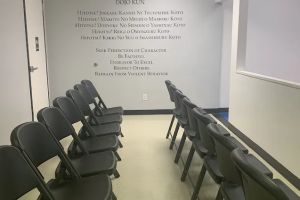
Monmouth Karate Academy / monmouth karate academy
Marlboro TownshipMonmouth CountyNew Jersey
300 Campus Dr Suite E, Morganville, NJ 07751, USA
2. Integrating Tenets into Daily Activities
One of the most effective ways to teach Tae Kwon Do principles is by weaving them naturally into daily routines. Here’s how you can connect each tenet with everyday activities:

Premier Martial Arts Glen Mills / premier martial arts glen mills
ConcordvilleDelaware CountyPennsylvania
1102 Baltimore Pike, Glen Mills, PA 19342, USA
2.1 Courtesy in Everyday Life
Encourage your child to greet family members politely, say “thank you” when receiving help, and listen attentively during conversations. At home, you could create a “Courtesy Challenge,” where the child earns points for polite behaviors observed throughout the day.
2.2 Integrity Through Responsibility
Assign age-appropriate chores, such as tidying their room or helping with meal preparation. Encourage honesty by discussing situations where telling the truth, even when it’s hard, benefits everyone. For example, if a sibling accidentally breaks a toy, praising the child for admitting the mistake reinforces integrity.
2.3 Perseverance in Tasks
Introduce tasks that require consistent effort, like learning a new song on a musical instrument or completing a complex Lego set. Celebrate milestones to reinforce the value of persistence. Sharing personal stories of overcoming obstacles can make the lesson more relatable and memorable.
2.4 Self-Control with Emotions
Use daily situations to practice self-control. For instance, during disagreements with siblings, guide your child to pause, take deep breaths, and express feelings calmly. Playing games that require turn-taking and patience can also strengthen emotional regulation skills.
2.5 Indomitable Spirit in Challenges
Encourage your child to try new activities outside their comfort zone. Whether it’s a new sport, a public speaking opportunity, or learning a tricky Tae Kwon Do move, praise courage and resilience. Share stories of famous martial artists or ordinary people who faced challenges and persisted, emphasizing that setbacks are part of growth.
3. Practical Home Exercises for Kids
Integrating physical exercises not only enhances martial skills but also reinforces the five tenets. Here are some ideas for home-friendly Tae Kwon Do practice:
3.1 Courtesy-Focused Drills
Practice bowing to family members before starting any activity, mimicking the respect shown in martial arts dojos. Reinforce the concept that every practice session starts with respect.
3.2 Integrity and Technique
Teach simple Tae Kwon Do forms at home. Encourage children to focus on proper techniques and complete each movement correctly, instilling the principle of integrity in performance.
3.3 Perseverance-Building Exercises
Set small physical challenges that gradually increase in difficulty, like timed kicking drills or balance exercises. Track progress over days or weeks to show tangible improvement, emphasizing that consistent effort yields results.
3.4 Self-Control Activities
Games that require controlled movements, such as slow-motion kicks or maintaining stances for a set period, help children develop patience and concentration, reinforcing self-control.
3.5 Indomitable Spirit Challenges
Create mini obstacle courses or try new techniques that your child hasn’t mastered yet. Encourage them to try repeatedly, rewarding courage and determination over perfect execution. These activities mirror real-life challenges where persistence matters more than immediate success.
4. Real-Life Stories and Case Studies
Stories make the lessons memorable. Consider these examples:
4.1 A Family Tae Kwon Do Journey
The Johnson family began practicing Tae Kwon Do together at home during the pandemic. By dedicating 20 minutes daily to drills and discussions about the five tenets, their children improved not only in martial skills but also in behavior. Courtesy at the table and perseverance in schoolwork became noticeable improvements.
4.2 Overcoming Challenges with Indomitable Spirit
Emily, an 8-year-old beginner, struggled with breaking boards in practice. Her parents guided her through gradual steps—visualizing the movement, practicing strikes on padded targets, and celebrating incremental success. Her perseverance and courage increased confidence across other areas of life.
4.3 Applying Integrity in Daily Life
One parent shared a story where their child found a lost wallet while walking to school. Rather than keeping it, the child immediately returned it to the owner. The parent used this opportunity to discuss integrity, linking the lesson to Tae Kwon Do principles.
5. Encouraging Consistency and Growth
Consistency is key when teaching Tae Kwon Do principles. Here’s how to maintain long-term engagement:
5.1 Creating a Daily Routine
Set aside a consistent time for practice and reflection, combining physical exercises and discussion of tenets. Even 15–20 minutes daily can have a significant impact over time.
5.2 Tracking Progress
Maintain a simple journal to record achievements, challenges, and reflections. Celebrate improvements in behavior and skill, reinforcing positive reinforcement as a teaching tool.
5.3 Positive Reinforcement
Recognize efforts, not just results. Praising your child for showing courtesy, perseverance, or courage strengthens their motivation and internalizes the tenets beyond martial arts practice.
6. Resources and Support for Parents
Parents don’t have to navigate Tae Kwon Do education alone. Here are helpful resources:
6.1 Professional Guidance
Websites like Jeuns TKD Hub offer instructional videos, home practice guides, and product recommendations specifically designed for children learning Tae Kwon Do at home.
6.2 Online Communities
Engaging with online forums and social media groups allows parents to share experiences, seek advice, and access practical tips for teaching tenets effectively.
6.3 Equipment and Tools
Simple home equipment—like padded targets, balance boards, and practice mats—can enhance engagement and safety during exercises. Many of these products are available through trusted providers like Jeuns TKD Hub.
By combining daily activities, structured practice, real-life examples, and proper support, parents can successfully teach their children the five tenets of Tae Kwon Do at home. The goal is not only to develop martial skills but also to cultivate character, discipline, and resilience that children carry into all aspects of life.


 Suncoast Tang Soo Do Karate5.0 (16 reviews)
 Elite Martial Arts Weston5.0 (41 reviews)
 Mountain Kim Martial Arts5.0 (20 reviews)
 Three Dragons Karate5.0 (5 reviews)
 Upward Martial Arts5.0 (4 reviews)
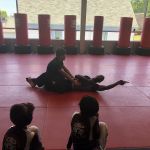 Tiger Schulmann's Martial Arts (Englewood, NJ)4.0 (101 reviews)
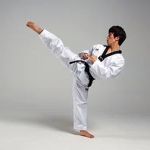 How to Execute a Jumping Roundhouse Kick to the Head
 How to Execute a Double Kick Combination in Sparring
 How to Perform a Flawless Axe Kick: A Step-by-Step Guide
 DIY Tae Kwon Do Training Equipment for Home Practice
 How to Increase Your Vertical Jump for Tae Kwon Do Flying Kicks
 The History of the Tae Kwon Do Peace Corps