
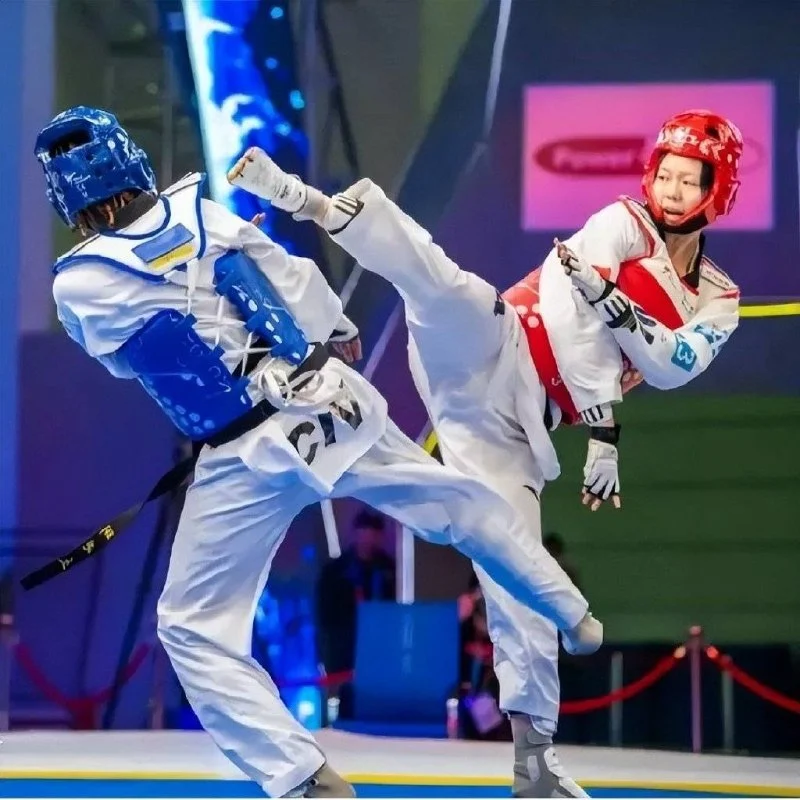
How to Stay Hydrated and Maintain Electrolytes During Long Summer Tae Kwon Do Camps
1. Why Hydration and Electrolyte Balance Matter in Summer Tae Kwon Do Camps
Long summer Tae Kwon Do camps push athletes into one of the most demanding physical environments: high repetition training, intense sparring drills, and prolonged exposure to heat. In these conditions, hydration is not just about comfort—it directly affects reaction speed, stamina, and injury prevention.
When athletes talk about hydration for martial arts training, they often underestimate how quickly fluids and minerals are lost during sweating. A single high-intensity session can drain both water and electrolytes like sodium and potassium, which are essential for muscle function and nerve response.
Without proper balance, even skilled practitioners may notice slower kicks, reduced focus, and early fatigue during sparring rounds. This is why hydration strategy becomes a core part of summer camp preparation rather than an afterthought.
2. What Happens to the Body During Intense Hot Weather Training
In a typical summer Tae Kwon Do camp, training often includes back-to-back sessions with minimal rest periods. The body responds by increasing sweat production to regulate temperature, but this leads to rapid fluid loss.
One of the most overlooked issues is that dehydration does not always feel immediate. Instead, it builds gradually—starting with mild headaches, then reduced coordination, and eventually muscle cramping or dizziness.
Coaches in competitive programs often report that athletes lose up to 2–3% of body weight in fluids during a single extended training block. At this level, performance can decline significantly even if the athlete feels “fine.”
This is why understanding prevent dehydration in training methods is critical for safety and consistency throughout the camp.
3. How to Maintain Electrolytes Without Overloading Sugar or Supplements
Electrolyte balance is often misunderstood as simply drinking sports drinks. While these beverages can help, many contain high sugar levels that may cause energy crashes during training.
A more balanced approach focuses on steady intake rather than large spikes. Electrolyte-rich hydration should come from a combination of water, mineral sources, and light supplementation when needed.
Foods like bananas, coconut water, and lightly salted snacks can support electrolyte balance for athletes without overwhelming the digestive system.
In elite training environments, some coaches encourage “micro-sipping” hydration every 10–15 minutes rather than waiting for thirst. This method helps maintain consistent energy and prevents sudden drops in performance.
4. Daily Hydration Routine for Long Tae Kwon Do Camp Sessions
A structured hydration routine can dramatically improve endurance during camp days. Instead of reacting to thirst, athletes benefit from planning hydration the same way they plan warm-ups and stretching.
Morning hydration should begin before training starts, ideally with water and a small amount of electrolytes to prepare the body for sweat loss. During training, small frequent sips are more effective than large infrequent drinks.
After training, recovery hydration becomes essential. This is where fluids help repair muscle fatigue and restore mineral balance. Skipping this step often leads to next-day stiffness and slower reaction times.
Athletes focusing on TKD endurance hydration strategy often perform more consistently across multiple training days because their bodies remain stable under stress.
5. Real Training Camp Story: When Hydration Made or Broke Performance
During a summer training camp in Texas, a junior competitor preparing for regional championships experienced a noticeable drop in sparring performance by day three. Initially, coaches suspected overtraining.
However, analysis revealed inconsistent hydration habits—he was drinking heavily after training but barely consuming fluids during sessions. By the time he felt thirsty, dehydration had already affected muscle coordination.
After adjusting his routine to include scheduled hydration breaks and electrolyte-balanced drinks, his performance stabilized within 48 hours. His kicking speed returned, and fatigue levels dropped significantly.
This case highlights how electrolytes during summer sports are not just supportive—they are performance-critical when training volume is high.
6. Recovery Techniques After Extreme Summer Martial Arts Training
Recovery is where hydration strategy becomes long-term performance support. After intense sessions, the body needs not just fluids but also time and nutrient replenishment to restore balance.
Cold water intake immediately after training can help reduce core temperature, but it should be followed by steady hydration rather than excessive rapid consumption.
Light stretching, rest periods, and balanced meals all contribute to faster recovery. Protein intake combined with electrolytes supports muscle repair after repetitive kicking drills and sparring rounds.
Some advanced training programs integrate hydration tracking systems to monitor fluid loss and recovery rates, ensuring athletes remain in optimal condition across multi-day camps.
For structured guidance and performance-focused training support, platforms like Jeuns TKD Hub help athletes refine hydration and conditioning strategies tailored to martial arts demands.
7. Building a Sustainable Hydration Habit for Martial Artists
Long-term success in Tae Kwon Do is not only about technique—it is about consistency in physical care. Hydration habits built during summer camps often carry over into competitive seasons.
The most effective approach is simplicity. Instead of relying on complicated systems, athletes benefit from repeatable routines: consistent water intake, light electrolyte supplementation, and post-training recovery focus.
Environmental conditions should also guide adjustments. Hotter days require more frequent hydration, while cooler training sessions may require less electrolyte concentration.
Ultimately, sustainable hydration is about awareness. When athletes learn to recognize early signs of fatigue and respond proactively, they maintain higher performance levels with lower injury risk.
 Aikido of San Jose4.0 (7 reviews)
 Nikko Jujitsu School4.0 (9 reviews)
 Gracie Barra San Clemente Martial Arts4.0 (47 reviews)
 Karate Institute of America4.0 (4 reviews)
 Keweenaw Korean Martial Arts0.0 (0 reviews)
 Wing Chun School of Internal Arts5.0 (6 reviews)
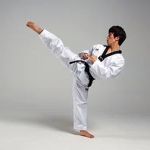 How to Execute a Jumping Roundhouse Kick to the Head
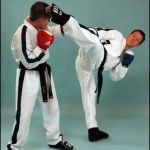 How to Execute a Double Kick Combination in Sparring
 How to Perform a Flawless Axe Kick: A Step-by-Step Guide
 DIY Tae Kwon Do Training Equipment for Home Practice
 How to Increase Your Vertical Jump for Tae Kwon Do Flying Kicks
 The History of the Tae Kwon Do Peace Corps