
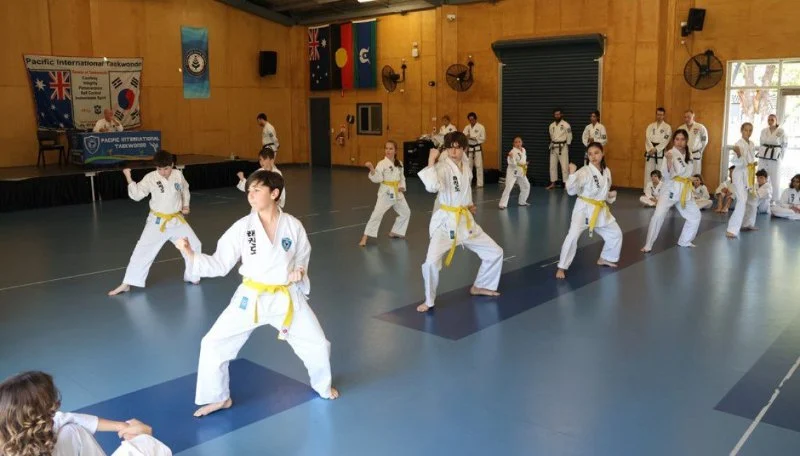
- Understanding the Basics of Tae Kwon Do
- Essential Tae Kwon Do Techniques
- Building Strength and Flexibility for Tae Kwon Do
- Mental Discipline in Tae Kwon Do
- Progressing from Basics to Advanced Techniques
1. Understanding the Basics of Tae Kwon Do
Before you can advance in Tae Kwon Do, it’s crucial to have a firm grasp on its foundational elements. Tae Kwon Do is a martial art that combines combat techniques, self-defense tactics, and a deep philosophical background. Mastering the basics is not just about learning punches and kicks, but understanding the principles that guide the practice.
The fundamental stances, blocks, and strikes are the building blocks of any Tae Kwon Do practitioner. It’s essential to focus on posture, balance, and movement efficiency. A strong foundation ensures that more advanced techniques, such as spinning kicks and aerial maneuvers, are performed with precision and power.
For guidance on mastering the fundamentals, Jeuns TKD Hub offers a range of resources and training equipment tailored to help you develop a solid base in Tae Kwon Do.
Budo Martial Arts Studio / budo martial arts studio
Ewing TownshipMercer CountyNew Jersey
9 Scotch Rd, Ewing Township, NJ 08628, USA
2. Essential Tae Kwon Do Techniques
The key to advancing in Tae Kwon Do is mastering essential techniques that will be used throughout your martial arts journey. These techniques include:
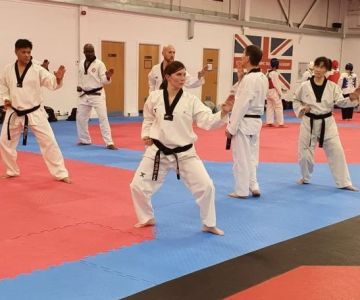
- Stances: Proper stances provide stability and power. Common stances include front stance (Ap Seogi), back stance (Dwit Seogi), and horse-riding stance (Juchum Seogi). Each stance has a specific purpose and is critical to the effectiveness of your movements.
- Strikes: Learning the various strikes such as punches (Jireugi), knife-hand strikes (Sonkal Jireugi), and elbow strikes (Palgup Jireugi) is essential. These techniques need to be practiced with precision and speed to be effective in real-life scenarios.
- Blocks: Blocks such as low blocks (Arae Makgi), middle blocks (Momtong Makgi), and high blocks (Eolgul Makgi) help protect yourself during combat. Mastering these blocks helps prevent injury and improves your defensive skills.
Regularly practicing these techniques will strengthen your muscle memory and improve your fluidity in movements. These are the techniques you will build upon as you advance to more complex forms and sparring techniques.
Champions Martial Arts Plainview / champions martial arts plainview
PlainviewNassau CountyNew York
10 Washington Ave, Plainview, NY 11803, USA
3. Building Strength and Flexibility for Tae Kwon Do
Physical strength and flexibility are key elements of success in Tae Kwon Do. To perform high, fast, and powerful kicks, it’s important to build strength in your legs and core, as well as flexibility to execute the techniques properly.
Regular strength training exercises, such as squats, lunges, and core exercises, will improve your ability to perform high kicks, stances, and powerful strikes. In addition, stretching exercises, such as hamstring and hip flexor stretches, will improve your range of motion, making it easier to kick higher and maintain balance during movement.
Incorporating strength and flexibility training into your Tae Kwon Do practice will give you the physical foundation you need to move from basic techniques to more advanced ones. For the best training gear and flexibility tools, visit Jeuns TKD Hub for personalized recommendations.
4. Mental Discipline in Tae Kwon Do
While physical strength and technique are essential, mental discipline is just as important in Tae Kwon Do. Martial arts are as much about the mind as they are about the body. Mental discipline helps practitioners stay focused, calm under pressure, and committed to improvement.
Key aspects of mental discipline include:
- Focus: Staying focused during training allows you to improve your technique and learn faster. Concentrate on every move and every breath, ensuring that you are always present during your practice.
- Respect: Tae Kwon Do emphasizes respect for your instructors, training partners, and the martial art itself. This respect fosters a positive learning environment and encourages personal growth.
- Perseverance: Tae Kwon Do requires dedication and patience. Progress may be slow at times, but perseverance will keep you moving forward. Understanding that mastery takes time will help you push through challenges.
By developing these mental skills, you will build resilience and determination, qualities that are necessary for mastering Tae Kwon Do and progressing to higher levels.
5. Progressing from Basics to Advanced Techniques
Once you’ve built a strong foundation in the basics of Tae Kwon Do, you’re ready to move on to more advanced techniques. However, advancing is not just about adding more complicated moves to your repertoire. It's about refining your skills, developing deeper understanding, and mastering the principles of Tae Kwon Do at a higher level.
As you progress, you will begin to focus on:
- Form (Poomsae): Advanced practitioners learn complex patterns of movement known as poomsae, which include combinations of strikes, blocks, and stances that flow together in a rhythmic sequence. Mastering these forms is essential for advancing in Tae Kwon Do.
- Sparring: Sparring (Gyeorugi) is the practical application of the techniques you've learned. As you progress, you will engage in controlled sparring sessions to test your speed, precision, and defensive capabilities.
- Breaking Techniques (Kyukpa): Breaking techniques require advanced control and precision. These involve breaking boards or other objects using specific strikes to demonstrate both technique and strength.
Continually honing your basics while expanding your skill set will ensure that you advance smoothly and confidently in Tae Kwon Do. With the right mindset and consistent practice, you will master the art of Tae Kwon Do and be ready to face the challenges of higher-level training.


 Aikido of San Jose4.0 (7 reviews)
 Nikko Jujitsu School4.0 (9 reviews)
 Gracie Barra San Clemente Martial Arts4.0 (47 reviews)
 Karate Institute of America4.0 (4 reviews)
 Keweenaw Korean Martial Arts0.0 (0 reviews)
 Wing Chun School of Internal Arts5.0 (6 reviews)
 How to Execute a Jumping Roundhouse Kick to the Head
 How to Execute a Double Kick Combination in Sparring
 How to Perform a Flawless Axe Kick: A Step-by-Step Guide
 DIY Tae Kwon Do Training Equipment for Home Practice
 How to Increase Your Vertical Jump for Tae Kwon Do Flying Kicks
 The History of the Tae Kwon Do Peace Corps