
- 1- Importance of Flexibility in Tae Kwon Do
- 2- Dynamic Stretching Routines for Performance
- 3- Static Stretches to Improve Range of Motion
- 4- Incorporating Yoga and Mobility Work
- 5- Personal Success Stories and Practical Tips
- 6- Jeuns TKD Hub Recommendations
1. Importance of Flexibility in Tae Kwon Do
Flexibility is a cornerstone for any Tae Kwon Do practitioner seeking to enhance performance. Greater flexibility improves high kicks, rapid movements, and precision in sparring. It also reduces the risk of injury by allowing muscles and joints to move more freely under strain. Developing flexibility is not just about stretching occasionally; it’s a consistent practice that integrates into your training routine, promoting fluidity, balance, and strength alongside mobility.
Budo Martial Arts Studio / budo martial arts studio
Ewing TownshipMercer CountyNew Jersey
9 Scotch Rd, Ewing Township, NJ 08628, USA
2. Dynamic Stretching Routines for Performance
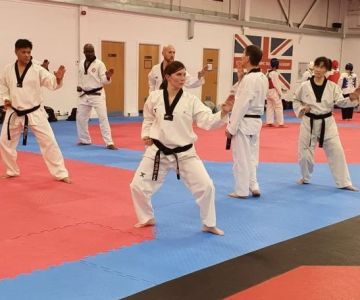
Dynamic stretches prepare your muscles and joints for high-intensity Tae Kwon Do practice. Leg swings, hip circles, and torso twists improve blood flow and joint mobility while simulating movements used in martial arts. Incorporating dynamic routines before every training session primes the body for higher kicks, fast footwork, and explosive strikes. Athletes often report feeling more agile and confident when dynamic stretching is performed consistently.
Champions Martial Arts Plainview / champions martial arts plainview
PlainviewNassau CountyNew York
10 Washington Ave, Plainview, NY 11803, USA
3. Static Stretches to Improve Range of Motion
Static stretching, performed after training or as a separate session, helps increase overall muscle length and joint range of motion. Common stretches for Tae Kwon Do include seated forward bends, hamstring stretches, and butterfly stretches for the hips. Holding stretches for 20–40 seconds can gradually improve flexibility, supporting higher and more controlled kicks over time. Pairing static stretches with proper breathing techniques enhances relaxation and effectiveness.
4. Incorporating Yoga and Mobility Work
Yoga and mobility exercises complement traditional martial arts stretching. Yoga poses such as downward dog, pigeon pose, and warrior sequences strengthen stabilizing muscles while increasing flexibility. Mobility drills targeting hips, ankles, and shoulders enhance rotational and lateral movements, crucial for executing complex Tae Kwon Do techniques. Consistent integration of these practices fosters both flexibility and functional strength, leading to superior performance during competitions.
5. Personal Success Stories and Practical Tips
Many Tae Kwon Do practitioners share stories of improvement after focusing on flexibility training. One black belt recalled increasing his kick height significantly after dedicating 15 minutes daily to dynamic and static stretching combined with yoga routines. Another student reduced muscle tightness and improved sparring agility by using mobility exercises focused on the hips and lower back. Practical tips include starting gradually, staying consistent, and listening to your body to avoid overstretching or injury.
6. Jeuns TKD Hub Recommendations
Jeuns TKD Hub provides tailored guidance for increasing flexibility in Tae Kwon Do. Recommended routines combine dynamic and static stretches with mobility drills and yoga sequences. For those aiming to improve kicks, agility, and overall martial arts performance, these resources help create a structured and safe flexibility plan. Explore expert advice, step-by-step routines, and equipment suggestions from Jeuns TKD Hub to achieve better performance efficiently.


 Aikido of San Jose4.0 (7 reviews)
 Nikko Jujitsu School4.0 (9 reviews)
 Gracie Barra San Clemente Martial Arts4.0 (47 reviews)
 Karate Institute of America4.0 (4 reviews)
 Keweenaw Korean Martial Arts0.0 (0 reviews)
 Wing Chun School of Internal Arts5.0 (6 reviews)
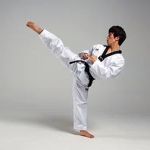 How to Execute a Jumping Roundhouse Kick to the Head
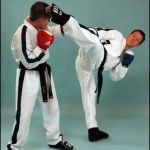 How to Execute a Double Kick Combination in Sparring
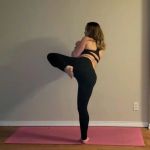 How to Perform a Flawless Axe Kick: A Step-by-Step Guide
 DIY Tae Kwon Do Training Equipment for Home Practice
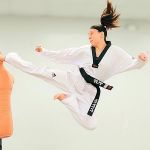 How to Increase Your Vertical Jump for Tae Kwon Do Flying Kicks
 The History of the Tae Kwon Do Peace Corps