
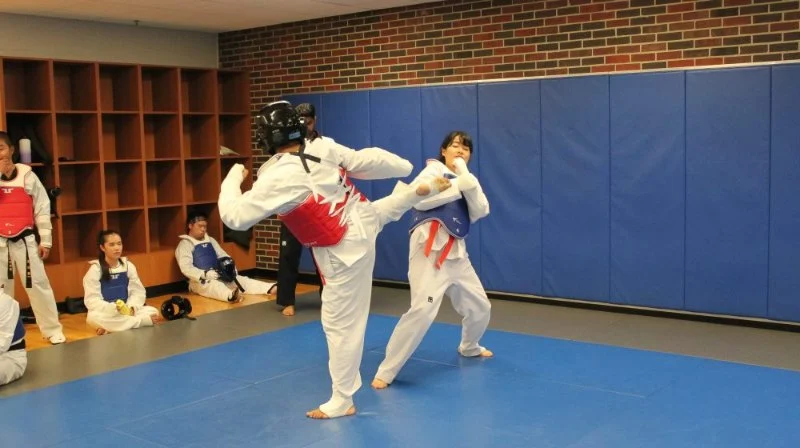
How to Improve Your Tae Kwon Do Sparring Skills: Tips from Experts
Sparring is an essential part of Tae Kwon Do that allows practitioners to test their skills in a dynamic, real-world setting. Whether you're a beginner or an experienced martial artist, sparring can be a challenging aspect to master. The good news is that with the right strategies and techniques, you can significantly improve your sparring abilities. In this article, we will provide expert advice and practical tips on how to elevate your Tae Kwon Do sparring skills.
- 1. Why Sparring Is Crucial for Tae Kwon Do
- 2. Key Sparring Skills to Develop
- 3. Mental Strategy for Sparring
- 4. Physical Preparation for Sparring
- 5. Common Mistakes to Avoid in Sparring
- 6. Sparring Gear and Safety Tips
1. Why Sparring Is Crucial for Tae Kwon Do
Sparring is the ultimate test of your Tae Kwon Do skills. It allows you to put theory into practice and challenge yourself against a live opponent. The key benefit of sparring is that it helps you develop timing, precision, and adaptability. In a controlled sparring session, you can experience the pressure of real fights, improve your reflexes, and gain confidence in your techniques.
While forms and techniques are essential for building a foundation in Tae Kwon Do, sparring teaches you how to read an opponent's movements, react quickly, and stay calm under pressure—skills that are critical for success in competitions and self-defense scenarios.
Budo Martial Arts Studio / budo martial arts studio
Ewing TownshipMercer CountyNew Jersey
9 Scotch Rd, Ewing Township, NJ 08628, USA
2. Key Sparring Skills to Develop
To become a skilled sparrer, it’s essential to focus on specific techniques and abilities. Sparring requires not just physical prowess, but also mental agility and strategic thinking. Here are the key skills to focus on:

Champions Martial Arts Plainview / champions martial arts plainview
PlainviewNassau CountyNew York
10 Washington Ave, Plainview, NY 11803, USA
2.1 Speed and Agility
Speed is crucial in sparring, as it allows you to land strikes before your opponent can react. Agility, on the other hand, enables you to move quickly in and out of range, making it difficult for your opponent to land hits. Regular drills that focus on quick footwork, pivoting, and distance control can help improve your overall speed and agility in sparring.
2.2 Timing and Distance Control
Knowing when and where to strike is just as important as how you strike. Timing allows you to execute attacks at the right moment, while distance control ensures you’re always in the ideal position to launch an attack or defend against one. Practice by sparring with different partners and adjusting your distance based on their movement.
2.3 Defensive Techniques
While landing effective strikes is essential, solid defense is equally important in sparring. Work on your blocking, parrying, and evading skills to minimize the damage you take during a match. Learn to anticipate your opponent's moves and use footwork to avoid getting hit while maintaining the ability to counterattack.
2.4 Combinations and Counterattacks
Sparring isn’t just about single strikes; it’s about fluid combinations and counterattacks. Practice chaining different kicks and punches together, as well as quickly reacting to your opponent's attacks with counters. Developing a repertoire of combinations will give you more options in a match and help you adapt to your opponent’s style.
3. Mental Strategy for Sparring
Mental preparation is just as crucial as physical preparation in sparring. The mental side of sparring includes staying focused, maintaining composure under pressure, and having the ability to think critically during a match. Here are some mental strategies for sparring:
3.1 Visualization Techniques
Before you step into the sparring ring, visualize yourself executing your techniques perfectly. Mentally rehearsing successful moves can help you feel more confident and prepared during a real match. By visualizing a successful sparring session, you can reduce anxiety and improve your mental clarity.
3.2 Stay Calm Under Pressure
During sparring, it’s easy to become overwhelmed by adrenaline and stress, especially when your opponent is putting pressure on you. Focus on staying calm, controlling your breathing, and keeping your thoughts clear. Remember, sparring is about staying in control—both mentally and physically.
3.3 Develop a Strategic Mindset
Don’t just react to your opponent’s actions—plan your moves. Develop a strategy based on your opponent’s style and weaknesses. Being able to think ahead and anticipate your opponent’s next move will give you the upper hand in a sparring match.
4. Physical Preparation for Sparring
Your physical fitness plays a crucial role in your sparring performance. Strength, endurance, flexibility, and conditioning are all important components of a successful sparring session. Here’s how you can physically prepare for sparring:
4.1 Strength Training
Strong legs, core, and arms are essential for powerful strikes and effective defense. Include strength training exercises like squats, lunges, planks, and push-ups in your routine to build the muscles necessary for sparring. Stronger muscles give you better control over your movements and allow you to execute techniques with power and precision.
4.2 Cardiovascular Conditioning
Sparring requires stamina, as you’ll often be on the move for several rounds. Cardiovascular training like running, cycling, or swimming can help increase your endurance, allowing you to perform at your best even during long or intense sparring sessions.
4.3 Flexibility and Mobility
Flexibility is key for executing high kicks and maintaining mobility during sparring. Incorporate daily stretching routines to increase flexibility and prevent injury. The more flexible you are, the more versatile your kicking game becomes in sparring.
5. Common Mistakes to Avoid in Sparring
Even experienced martial artists can make mistakes in sparring. Here are a few common mistakes to avoid:
5.1 Overcommitting to Attacks
One of the most common mistakes in sparring is overcommitting to an attack. When you throw a punch or kick, make sure you're ready to retreat or defend if it doesn't land. Overcommitting leaves you vulnerable to counters and reduces your ability to react effectively.
5.2 Neglecting Defense
Many martial artists focus too much on offense and neglect their defense. Always remember that defense is just as important as attack. If you're not defending properly, you’re likely to take unnecessary hits, which can affect your performance in the long run.
5.3 Poor Timing
Rushing attacks or throwing punches too early can result in missed opportunities. Focus on improving your timing to make sure you're attacking when your opponent is vulnerable and not before.
6. Sparring Gear and Safety Tips
Finally, ensure you're always training and sparring safely. Proper sparring gear is essential to prevent injury, and you should always adhere to safety protocols during your sessions.
6.1 Sparring Gear Checklist
To spar safely, make sure you're wearing the proper protective gear. This typically includes headgear, gloves, shin guards, and a chest protector. Ensure that your gear fits properly and is in good condition to avoid injury during sparring.
6.2 Sparring Etiquette
Respect for your sparring partner is crucial. Always follow the rules of the dojo and avoid excessive force. Remember, sparring is about learning and improving, not about winning at all costs.


 Aikido of San Jose4.0 (7 reviews)
 Nikko Jujitsu School4.0 (9 reviews)
 Gracie Barra San Clemente Martial Arts4.0 (47 reviews)
 Karate Institute of America4.0 (4 reviews)
 Keweenaw Korean Martial Arts0.0 (0 reviews)
 Wing Chun School of Internal Arts5.0 (6 reviews)
 How to Execute a Jumping Roundhouse Kick to the Head
 How to Execute a Double Kick Combination in Sparring
 How to Perform a Flawless Axe Kick: A Step-by-Step Guide
 DIY Tae Kwon Do Training Equipment for Home Practice
 How to Increase Your Vertical Jump for Tae Kwon Do Flying Kicks
 The History of the Tae Kwon Do Peace Corps