
- 1 - Importance of Warm-Up in Tae Kwon Do Performance
- 2 - Key Components of an Effective Warm-Up
- 3 - Dynamic Stretching and Mobility Exercises
- 4 - Strength and Agility Preparation
- 5 - Real-Life Performance Case Studies
- 6 - Tips and Resources from Jeuns TKD Hub
1. Importance of Warm-Up in Tae Kwon Do Performance
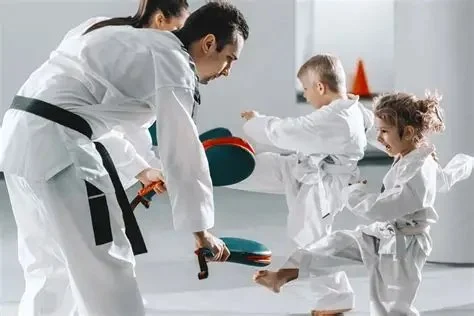
Proper warm-up techniques are essential for improving performance in Tae Kwon Do. Unlike casual stretching, a structured warm-up prepares muscles, joints, and the nervous system for high-intensity movements. By increasing blood flow and activating key muscle groups, practitioners reduce injury risk and enhance precision and power in kicks, strikes, and footwork.
Warm-ups also help mental preparation. Concentrating on dynamic movements and rhythm allows fighters to focus on strategy, reaction timing, and coordination. Athletes who neglect warm-up routines often experience slower reactions and reduced flexibility, which can hinder performance during sparring or forms competitions.
2. Key Components of an Effective Warm-Up
2.1 Cardiovascular Activation
Start with light cardio exercises such as jogging, skipping, or jumping jacks for 5-10 minutes. This elevates heart rate, increases oxygen delivery to muscles, and primes the body for explosive movements.
2.2 Joint Mobility
Focus on major joints like shoulders, hips, knees, and ankles. Controlled circular motions and gentle rotations prepare the joints for complex kicks and blocks. This improves range of motion while minimizing strain during high-intensity kicks.
2.3 Mental Focus and Visualization
Warm-ups are also a mental cue. Visualizing forms, sparring sequences, or specific techniques during warm-up enhances neural activation. Elite athletes often report improved reaction times and confidence when mentally rehearsing moves before intense training.
3. Dynamic Stretching and Mobility Exercises
Static stretching before training is less effective for performance. Instead, dynamic stretches increase flexibility and maintain muscle elasticity. Examples include:
3.1 Leg Swings
Front-to-back and side-to-side leg swings activate hip flexors, hamstrings, and adductors, preparing for high kicks.
3.2 Arm Circles and Shoulder Rotations
These movements activate shoulders and upper back, supporting powerful punches and blocks.
3.3 Hip Circles and Torso Twists
Improves core rotation essential for spinning techniques and roundhouse kicks.
4. Strength and Agility Preparation
After mobility exercises, light resistance or bodyweight drills increase explosiveness and coordination. Examples include:
4.1 Squat Jumps and Lunges
Enhance lower body power, crucial for high and fast kicks.
4.2 Quick Footwork Drills
Ladder drills or side-to-side shuffles train agility, allowing fighters to move efficiently in the ring or sparring area.
4.3 Core Activation
Planks, medicine ball twists, and dynamic crunches engage the core, supporting balance and rotational strength for all TKD techniques.
5. Real-Life Performance Case Studies
Consider Emily, a competitive black belt preparing for a national tournament. By integrating a 15-minute warm-up focusing on dynamic stretches, mobility drills, and agility exercises, she noticed faster reaction times and improved kick height. Her coach highlighted that the structured warm-up reduced minor strains and enhanced overall endurance during long training sessions.
Another example is Alex, a TKD instructor who reported fewer injuries among students after implementing a standardized warm-up protocol. Students demonstrated more consistent forms performance and increased confidence during sparring exercises.
6. Tips and Resources from Jeuns TKD Hub
For those seeking additional guidance, Jeuns TKD Hub provides specialized resources including recommended warm-up routines, video demonstrations, and product suggestions for mats, resistance bands, and training gear. Incorporating these tools can elevate both safety and performance, whether training at home or in the dojo.
Remember, consistency in warm-ups combined with proper technique is key to maximizing Tae Kwon Do performance. Adopting these structured routines ensures you are prepared physically and mentally for each session.


 Aikido of San Jose4.0 (7 reviews)
 Nikko Jujitsu School4.0 (9 reviews)
 Gracie Barra San Clemente Martial Arts4.0 (47 reviews)
 Karate Institute of America4.0 (4 reviews)
 Keweenaw Korean Martial Arts0.0 (0 reviews)
 Wing Chun School of Internal Arts5.0 (6 reviews)
 How to Execute a Jumping Roundhouse Kick to the Head
 How to Execute a Double Kick Combination in Sparring
 How to Perform a Flawless Axe Kick: A Step-by-Step Guide
 DIY Tae Kwon Do Training Equipment for Home Practice
 How to Increase Your Vertical Jump for Tae Kwon Do Flying Kicks
 The History of the Tae Kwon Do Peace Corps