
- 1. Why Flexibility and Mobility Matter in Tae Kwon Do
- 2. Understanding the Difference Between Flexibility and Mobility
- 3. Building a Daily Flexibility Routine
- 4. Mobility Drills for Stronger, Higher Kicks
- 5. Long-Term Progress and Injury Prevention
1. Why Flexibility and Mobility Matter in Tae Kwon Do
If you’ve ever watched a high-level Tae Kwon Do athlete execute a clean head-height roundhouse kick with effortless control, you’ve seen flexibility and mobility working together. Understanding how to develop flexibility and mobility for better Tae Kwon Do kicks is essential for improving both performance and safety.
Many beginners assume that high kicks are purely about stretching. In reality, the ability to lift and control your leg at extreme ranges requires strength, joint stability, and coordination. Without proper mobility, even flexible students struggle to maintain balance and power.
I remember training alongside a red belt who could almost do full splits but couldn’t hold a side kick at chest height for more than two seconds. Once he added targeted hip mobility drills to his routine, his control improved dramatically within weeks.
1.1 Performance and Injury Connection
Limited mobility forces compensations in the lower back and knees, increasing injury risk. Balanced training improves technique while protecting joints.
2. Understanding the Difference Between Flexibility and Mobility
Before building a training plan, it’s important to clarify these two concepts.
2.1 Flexibility Defined
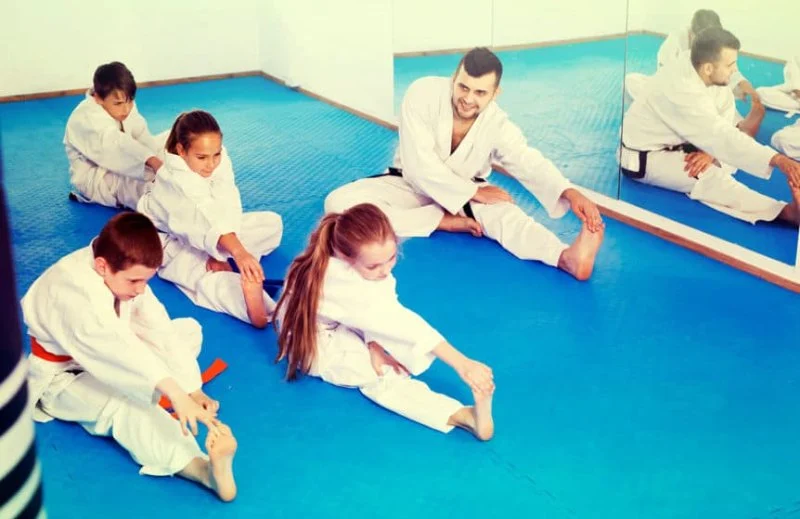
Flexibility refers to how far a muscle can stretch passively. For example, your hamstring flexibility determines how close you can get to touching your toes.
2.2 Mobility Defined
Mobility involves active control through a full range of motion. In Tae Kwon Do, this means being able to lift your leg high and hold it there with strength and balance.
For better Tae Kwon Do kicks, you need both. Stretching without strength can lead to instability, while strength without flexibility limits range.
3. Building a Daily Flexibility Routine
Consistency is key when learning how to develop flexibility and mobility for better Tae Kwon Do kicks.
3.1 Dynamic Stretching Before Training
Start with leg swings, hip circles, and light kick progressions. Dynamic movements increase blood flow and prepare muscles for explosive action.
3.2 Static Stretching After Training
After class, focus on controlled static stretches for hamstrings, hip flexors, quadriceps, and inner thighs. Hold each stretch for 20–30 seconds while breathing steadily.
3.3 Progressive Split Training
Gradually work toward front and side splits without forcing depth. Use blocks or cushions for support. Small improvements over months are safer than rapid gains over days.
Several competitive U.S. Tae Kwon Do programs emphasize slow, disciplined flexibility work as the foundation for advanced kicking techniques.
4. Mobility Drills for Stronger, Higher Kicks
Mobility training transforms passive range into usable power.
4.1 Controlled Leg Raises
Stand near a wall for balance and slowly raise your leg to the front or side. Pause briefly before lowering. This builds active strength in the hip flexors and abductors.
4.2 Hip Stability Exercises
Single-leg squats and lateral lunges strengthen stabilizing muscles around the hips. Strong hips improve kicking height and balance.
4.3 Slow-Motion Kick Practice
Practice executing roundhouse and side kicks at half speed. Focus on control during both extension and retraction phases. This reinforces neuromuscular coordination.
Many instructors recommend pairing mobility drills with technical training to ensure new range translates directly into better kicks.
5. Long-Term Progress and Injury Prevention
Developing flexibility and mobility is a marathon, not a sprint.
5.1 Listen to Your Body
Mild soreness is normal, but sharp joint pain signals overtraining. Adjust intensity accordingly.
5.2 Cross-Training for Balance
Activities like swimming or yoga complement Tae Kwon Do by improving joint health without repetitive strain.
5.3 Proper Equipment and Support
Supportive training mats and protective gear reduce impact stress during drills and sparring. Jeuns TKD Hub provides quality training accessories that help support safe, consistent development.
Mastering how to develop flexibility and mobility for better Tae Kwon Do kicks takes patience, discipline, and intelligent training. When flexibility meets strength and control, your kicks become higher, faster, and more precise—without sacrificing long-term joint health.

 Aikido of San Jose4.0 (7 reviews)
 Nikko Jujitsu School4.0 (9 reviews)
 Gracie Barra San Clemente Martial Arts4.0 (47 reviews)
 Karate Institute of America4.0 (4 reviews)
 Keweenaw Korean Martial Arts0.0 (0 reviews)
 Wing Chun School of Internal Arts5.0 (6 reviews)
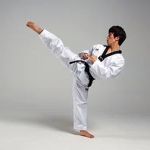 How to Execute a Jumping Roundhouse Kick to the Head
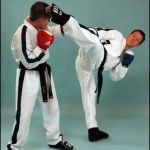 How to Execute a Double Kick Combination in Sparring
 How to Perform a Flawless Axe Kick: A Step-by-Step Guide
 DIY Tae Kwon Do Training Equipment for Home Practice
 How to Increase Your Vertical Jump for Tae Kwon Do Flying Kicks
 The History of the Tae Kwon Do Peace Corps