
1. Understanding Weight Categories
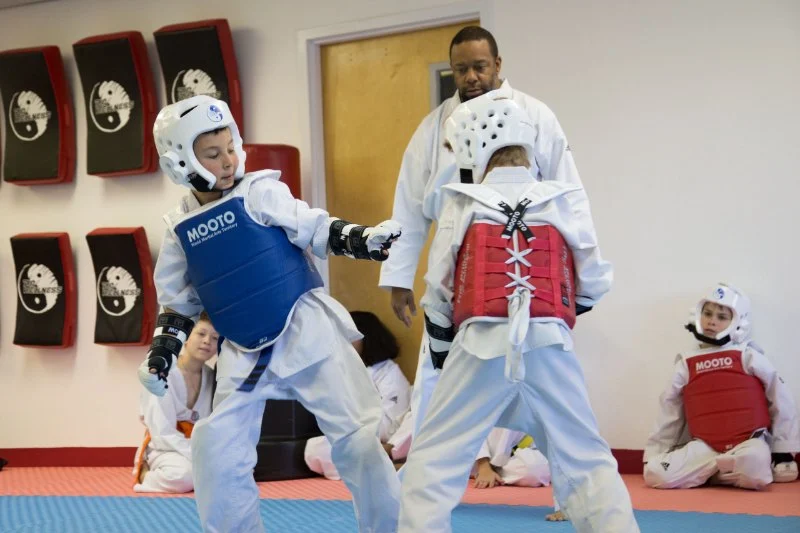
In Tae Kwon Do competitions, weight categories exist to ensure fairness and safety. Knowing your division is the first step in planning any weight cut. Athletes often aim to compete at the lower end of their category to maximize strength and reach advantages. Understanding the regulations for weigh-ins, including the timing and official procedures, is crucial for strategic planning.
Many competitive TKD athletes make the mistake of not knowing their exact limits or failing to account for last-minute weigh-ins. Consulting official competition rules and tracking your weight trends weeks before the event can prevent surprises.
2. Planning Your Weight Cut
Effective weight cutting requires a well-structured plan. Sudden or extreme weight loss can compromise performance and increase injury risk. Here’s a breakdown of a safe approach:
2.1 Establishing a Timeline
Start planning 4-6 weeks before the competition. Gradual weight reduction of 0.5-1 pound per week is recommended to maintain muscle mass and energy levels.
2.2 Setting Realistic Goals
Determine your target competition weight. Base this on your current weight, body composition, and historical performance. Unrealistic targets can lead to dangerous dehydration or nutrient deficiencies.
2.3 Monitoring Progress
Regular weigh-ins and body composition assessments help track fat loss versus water or muscle loss. Athletes can use scales, tape measurements, and skinfold calipers to ensure healthy reductions.
3. Nutrition Strategies
Nutrition is central to safe weight cutting. A focus on nutrient-dense foods ensures energy levels remain high while gradually lowering body weight.
3.1 Balanced Macronutrient Intake
Protein supports muscle retention. Carbohydrates fuel training, and healthy fats maintain hormonal balance. Avoid extreme low-calorie diets that compromise performance.
3.2 Meal Timing
Smaller, frequent meals stabilize energy. Pre-competition meals should be easily digestible, such as lean protein and complex carbohydrates.
3.3 Avoiding Empty Calories
Eliminate sugary snacks, sodas, and processed foods. They contribute to weight fluctuations without providing lasting energy.
4. Hydration Management
Dehydration is a common but risky method used for weight cutting. Safe hydration strategies include:
4.1 Gradual Water Reduction
A slight reduction in water intake in the final 24 hours can help meet weight requirements without severe dehydration. Avoid extreme fluid restriction.
4.2 Electrolyte Balance
Maintaining electrolytes is essential to prevent cramps and dizziness. Drinks with sodium, potassium, and magnesium can support safe fluid loss.
4.3 Rehydration Post-Weigh-In
After the official weigh-in, athletes should quickly replenish fluids. Rehydration strategies impact performance more than short-term weight cutting.
5. Safe Exercise Techniques
Exercise can assist weight cutting if performed safely:
5.1 Cardio Workouts
Low- to moderate-intensity cardio helps burn calories and reduce water weight gradually. Avoid high-intensity, exhaustive sessions that risk injury.
5.2 Strength Training
Continue resistance training to maintain muscle mass during weight reduction. Retaining muscle ensures competitive performance is not compromised.
5.3 Sauna and Sweat Suits
While sometimes used, sauna sessions and sweat suits should be employed cautiously. Short, monitored sessions are safer, and extreme methods should be avoided entirely.
6. Common Mistakes to Avoid
Many athletes make errors in weight cutting, which can affect health and performance:
6.1 Rapid Weight Loss
Extreme weight cuts of more than 2-3 pounds per week can lead to fatigue, impaired focus, and immune suppression.
6.2 Neglecting Recovery
Failing to allow the body to adapt between workouts and meals can increase the risk of injury and hinder energy levels.
6.3 Ignoring Professional Guidance
Coaches, nutritionists, and sports medicine professionals can provide tailored advice for safe, efficient weight cutting.
7. Recovery After Weigh-In
Once the weigh-in is complete, recovery is critical. Athletes should focus on:
7.1 Replenishing Nutrients
Consume carbohydrates, protein, and fluids to restore glycogen and hydration. Examples include rice, chicken, and electrolyte beverages.
7.2 Rest and Mental Focus
Short naps or relaxation techniques help athletes recover from the stress of weight reduction and prepare mentally for competition.
7.3 Gentle Warm-Ups
Light stretching and mobility exercises maintain readiness without excessive strain post-weigh-in.
8. Real-World Examples
Many Tae Kwon Do athletes have successfully implemented safe weight cutting strategies:
8.1 Case Study: Junior TKD Athlete
A 16-year-old competitor gradually reduced 6 pounds over four weeks using meal planning and controlled hydration. She maintained energy for training and placed in the top three of her weight category, illustrating safe and effective weight management.
8.2 Professional Athlete Insights
Elite competitors often combine nutrition, controlled cardio, and expert guidance to meet weight requirements without compromising performance. Their approach emphasizes consistency and preparation rather than last-minute drastic measures.
9. Resources and Support
For athletes seeking expert guidance and equipment for weight management in Tae Kwon Do, Jeuns TKD Hub offers tailored resources, coaching support, and recommended products to optimize performance while cutting weight safely.
Additionally, consulting certified nutritionists, trainers, and sports medicine specialists ensures that weight cutting strategies align with individual health and competition requirements.



 Aikido of San Jose4.0 (7 reviews)
 Nikko Jujitsu School4.0 (9 reviews)
 Gracie Barra San Clemente Martial Arts4.0 (47 reviews)
 Karate Institute of America4.0 (4 reviews)
 Keweenaw Korean Martial Arts0.0 (0 reviews)
 Wing Chun School of Internal Arts5.0 (6 reviews)
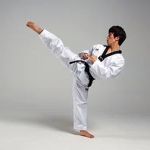 How to Execute a Jumping Roundhouse Kick to the Head
 How to Execute a Double Kick Combination in Sparring
 How to Perform a Flawless Axe Kick: A Step-by-Step Guide
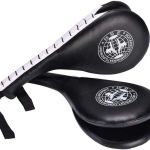 DIY Tae Kwon Do Training Equipment for Home Practice
 How to Increase Your Vertical Jump for Tae Kwon Do Flying Kicks
 The History of the Tae Kwon Do Peace Corps