
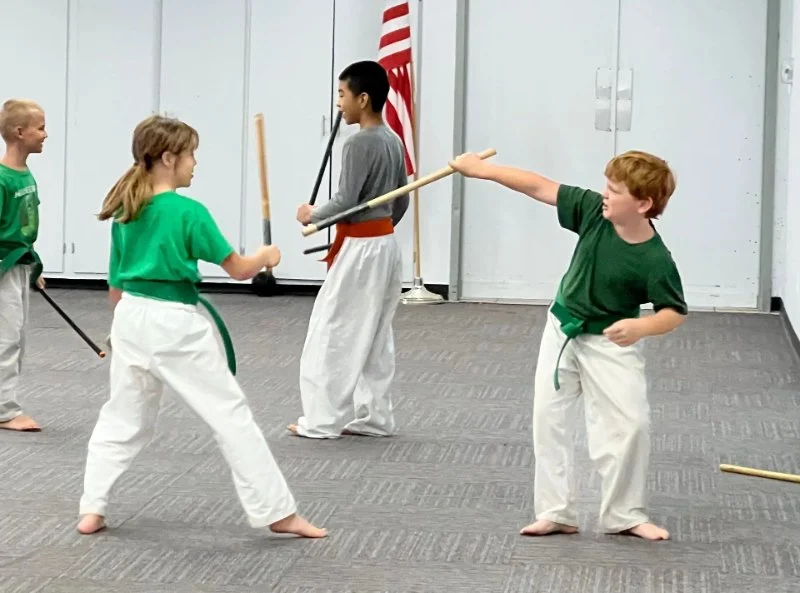
How to Build a Sustainable Training Schedule for Tae Kwon Do: Tips for Consistency and Progress
Building a sustainable training schedule is essential for success in Tae Kwon Do (TKD). Whether you're a beginner or an experienced martial artist, creating a balanced routine can help you improve your skills, avoid burnout, and stay on track with your goals. In this article, we’ll walk through the process of designing a training schedule that fits your lifestyle while maximizing progress.
- Understanding Your Training Needs
- Setting Realistic Goals for Your Training
- How to Structure Your Weekly Tae Kwon Do Schedule
- Incorporating Rest and Recovery
- Tracking Your Progress and Adjusting Your Routine
1. Understanding Your Training Needs
Before jumping into a training schedule, it’s important to understand your individual needs as a martial artist. Everyone has different goals, skill levels, and time availability, so a one-size-fits-all approach doesn’t work. Here’s how you can assess your training needs:

Budo Martial Arts Studio / budo martial arts studio
Ewing TownshipMercer CountyNew Jersey
9 Scotch Rd, Ewing Township, NJ 08628, USA
1.1 Assess Your Current Skill Level
Begin by evaluating your current abilities in Tae Kwon Do. Are you a beginner, intermediate, or advanced practitioner? This will help determine the intensity and focus areas of your training. Beginners might focus more on fundamental techniques, while advanced practitioners may prioritize sparring and advanced patterns (poomsae).
Champions Martial Arts Plainview / champions martial arts plainview
PlainviewNassau CountyNew York
10 Washington Ave, Plainview, NY 11803, USA
1.2 Identify Your Long-Term Goals
Your training schedule should align with your goals. Do you want to improve flexibility, strength, or endurance? Or are you aiming to prepare for a tournament or a black belt test? Identifying clear, long-term goals will allow you to tailor your training schedule accordingly.
2. Setting Realistic Goals for Your Training
Setting achievable and specific goals is crucial for staying motivated and on track. Here are some tips for goal-setting in Tae Kwon Do:
2.1 Break Down Large Goals into Smaller Milestones
Rather than focusing on one large goal like earning a black belt, break it down into smaller, incremental goals. For example, aim to master a particular form or improve your kicking technique over the next few months. These smaller milestones give you a sense of accomplishment and keep you motivated.
2.2 Focus on Technique and Consistency
While it’s tempting to focus on the number of hours you train, quality is more important than quantity. Aim to focus on improving your technique during every session. Consistency is key in martial arts, so it's better to train regularly for shorter durations than to train infrequently for long hours.
3. How to Structure Your Weekly Tae Kwon Do Schedule
Now that you understand your goals and skill level, it’s time to create a weekly training schedule. Here’s a sample structure for Tae Kwon Do practice:
3.1 Include a Variety of Training Sessions
A balanced schedule includes a mix of different types of training:
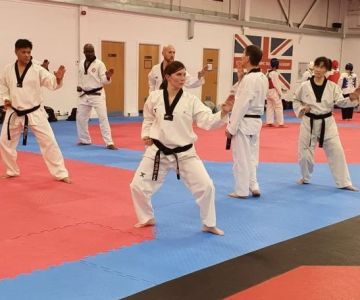
- Technical Sessions: Focus on forms (poomsae), basic techniques (like kicks and punches), and footwork. These sessions should be centered around precision and control.
- Strength and Conditioning: Incorporate exercises to enhance flexibility, core strength, and endurance. This could include plyometrics, core exercises, and stretching routines.
- Sparring or Self-Defense Practice: Include sparring sessions if you’re at an intermediate or advanced level. Practice against partners or use a heavy bag to simulate real-life situations.
3.2 Schedule Rest Days
Rest is just as important as training. Avoid overloading your schedule with training days, as this can lead to burnout and injury. Incorporate at least one or two rest days each week to allow your body to recover and prevent overtraining.
3.3 Plan for Active Rest
On rest days, consider light activities like yoga, swimming, or walking. These activities will help maintain flexibility and recovery without taxing your body.
4. Incorporating Rest and Recovery
Training hard is important, but rest and recovery are equally vital in Tae Kwon Do. Without proper rest, your muscles won’t recover, and you won’t perform at your best. Here's how to manage recovery:
4.1 Sleep and Nutrition
Ensure you're getting sufficient sleep, as recovery occurs during rest periods. Additionally, fueling your body with the right nutrients, including protein, carbs, and fats, will help speed up recovery and reduce muscle soreness.
4.2 Stretching and Foam Rolling
Stretching after every session helps maintain flexibility, while foam rolling can relieve tightness in muscles. Dedicate 10-15 minutes to post-training recovery routines.
5. Tracking Your Progress and Adjusting Your Routine
To ensure your schedule remains effective, track your progress and adjust your routine when necessary. This can include:
5.1 Keep a Training Journal
Write down the techniques you've worked on, the challenges you faced, and any improvements. This journal will help you see your progress over time and identify areas that need more attention.
5.2 Adjust Your Goals and Schedule
As you progress, your goals may change. Adjust your training routine accordingly to meet new challenges or focus on specific skills. For instance, if you’re preparing for a tournament, your schedule should reflect more sparring and competitive drills.
5.3 Seek Feedback from Your Instructor
Regularly check in with your instructor for feedback on your technique and progress. They can offer valuable insights to help you refine your practice and ensure you’re on the right track.
Building a sustainable training schedule for Tae Kwon Do takes time and effort, but with consistency, goal-setting, and proper rest, you’ll be well on your way to becoming a better martial artist. For additional tips and training resources, visit Jeuns TKD Hub for expert recommendations and products designed to help you succeed in Tae Kwon Do.

 Aikido of San Jose4.0 (7 reviews)
 Nikko Jujitsu School4.0 (9 reviews)
 Gracie Barra San Clemente Martial Arts4.0 (47 reviews)
 Karate Institute of America4.0 (4 reviews)
 Keweenaw Korean Martial Arts0.0 (0 reviews)
 Wing Chun School of Internal Arts5.0 (6 reviews)
 How to Execute a Jumping Roundhouse Kick to the Head
 How to Execute a Double Kick Combination in Sparring
 How to Perform a Flawless Axe Kick: A Step-by-Step Guide
 DIY Tae Kwon Do Training Equipment for Home Practice
 How to Increase Your Vertical Jump for Tae Kwon Do Flying Kicks
 The History of the Tae Kwon Do Peace Corps