
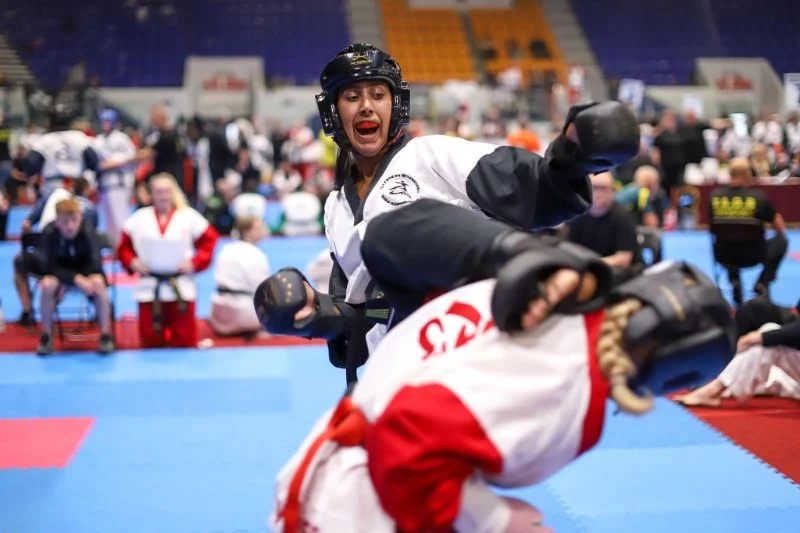
- 1- Understanding Performance Anxiety in TKD
- 2- Mental Preparation Strategies
- 3- Breathing and Relaxation Techniques
- 4- Visualization and Mindset
- 5- Practical Pre-Competition Tips
- 6- Real-Life Competition Experiences
- 7- Maintaining Confidence During Competition
1. Understanding Performance Anxiety in TKD
Performance anxiety in Tae Kwon Do competitions is a common experience among athletes of all levels. Recognizing the causes and signs is the first step in managing it effectively.
Budo Martial Arts Studio / budo martial arts studio
Ewing TownshipMercer CountyNew Jersey
9 Scotch Rd, Ewing Township, NJ 08628, USA
1.1 Identifying Symptoms
Performance anxiety manifests both physically and mentally. Common symptoms include increased heart rate, sweaty palms, tense muscles, negative self-talk, and difficulty concentrating. Awareness of these signs allows athletes to take proactive steps before and during competitions.
Champions Martial Arts Plainview / champions martial arts plainview
PlainviewNassau CountyNew York
10 Washington Ave, Plainview, NY 11803, USA
1.2 Causes of Competition Nerves
Several factors contribute to anxiety, including high expectations, fear of failure, previous negative experiences, and the pressure of performing in front of judges or an audience. Understanding these triggers can help Tae Kwon Do practitioners develop personalized coping strategies.
2. Mental Preparation Strategies
Building mental resilience is crucial for overcoming anxiety in Tae Kwon Do competitions.
2.1 Setting Realistic Goals
Focusing on process-oriented goals rather than only outcome goals reduces pressure. For example, aiming to execute techniques cleanly and maintain composure can be more manageable than obsessing over winning.
2.2 Positive Self-Talk
Reframing thoughts is a powerful tool. Replace negative self-talk like "I might fail" with empowering statements such as "I have trained well and I am ready." Repetition of positive affirmations strengthens confidence and reduces anxiety.
2.3 Building a Routine
Having a consistent pre-competition routine, including warm-ups, stretching, and mental exercises, creates a sense of control and familiarity, which can significantly lower nervousness.
3. Breathing and Relaxation Techniques
Controlled breathing and relaxation exercises can help regulate physical symptoms of anxiety and promote focus.
3.1 Diaphragmatic Breathing
Deep belly breathing slows the heart rate and calms the nervous system. Practicing diaphragmatic breathing before and during competitions can prevent panic and maintain composure.
3.2 Progressive Muscle Relaxation
This technique involves tensing and then relaxing each muscle group. It helps athletes release tension and increases body awareness, which is especially beneficial for precision movements in Tae Kwon Do.
3.3 Mindfulness Meditation
Mindfulness exercises, such as focusing on the present moment without judgment, reduce mental clutter and performance-related stress. Even a few minutes of meditation pre-competition can enhance concentration and clarity.
4. Visualization and Mindset
Visualization is a key mental strategy used by elite athletes to prepare for high-pressure situations.
4.1 Mental Rehearsal
Practicing movements and sequences in your mind allows the brain to create neural pathways similar to actual performance. Visualize executing forms, sparring techniques, and handling unexpected situations calmly.
4.2 Growth Mindset Approach
Embrace mistakes as learning opportunities rather than failures. A growth mindset fosters resilience, reduces fear of errors, and encourages continuous improvement in Tae Kwon Do performance.
4.3 Focusing on the Present
Redirecting attention to the current technique or point rather than worrying about the final result helps reduce performance anxiety. Stay anchored in the moment and respond dynamically to the competition environment.
5. Practical Pre-Competition Tips
Implementing concrete steps in the hours leading up to a competition can make a substantial difference.
5.1 Proper Nutrition and Hydration
Eating balanced meals and staying hydrated ensures optimal energy and cognitive function. Avoid heavy, greasy foods that can cause lethargy or stomach discomfort during matches.
5.2 Adequate Warm-Up
A structured warm-up routine, including dynamic stretches and light sparring, prepares the body and mind, reducing the likelihood of injury and boosting confidence in execution.
5.3 Avoid Overthinking
Pre-competition jitters can be intensified by overanalyzing strategies or opponents. Focus on your own performance, trust your training, and maintain a calm, composed mindset.
6. Real-Life Competition Experiences
Learning from real cases provides practical insights. Take Alex, a black belt competitor from Texas, who experienced severe pre-tournament anxiety. By implementing daily visualization, mindfulness meditation, and a structured warm-up, Alex managed to perform confidently, earning top rankings without letting nerves interfere.
6.1 Case Study: Maya’s Breakthrough
Maya, a teenage TKD practitioner, initially froze during sparring rounds due to anxiety. Her coach introduced progressive muscle relaxation and positive self-talk, combined with gradual exposure to small competitions. Within six months, Maya developed mental resilience and performed successfully at state-level tournaments, demonstrating that structured mental preparation can transform anxiety into performance strength.
7. Maintaining Confidence During Competition
Even after entering the competition arena, sustaining confidence is vital.
7.1 Focus on Technique
Concentrate on executing techniques correctly rather than worrying about judging or audience reactions. This keeps the mind engaged and reduces fear-based mistakes.
7.2 Positive Reinforcement
Use short affirmations between rounds or matches, such as "I am prepared" or "I control my performance," to maintain a calm and confident mindset.
7.3 Post-Competition Reflection
After each event, review performance constructively. Celebrate successes and identify areas for improvement. Engaging with communities like Jeuns TKD Hub for guidance, equipment, and support can help reinforce learning and build long-term confidence.
By integrating these strategies, Tae Kwon Do practitioners can overcome performance anxiety, perform at their best, and enjoy competitions as opportunities for growth. Combining mental preparation, relaxation techniques, visualization, practical pre-competition tips, and reflective learning ensures sustainable confidence and peak performance.
 Aikido of San Jose4.0 (7 reviews)
 Nikko Jujitsu School4.0 (9 reviews)
 Gracie Barra San Clemente Martial Arts4.0 (47 reviews)
 Karate Institute of America4.0 (4 reviews)
 Keweenaw Korean Martial Arts0.0 (0 reviews)
 Wing Chun School of Internal Arts5.0 (6 reviews)
 How to Execute a Jumping Roundhouse Kick to the Head
 How to Execute a Double Kick Combination in Sparring
 How to Perform a Flawless Axe Kick: A Step-by-Step Guide
 DIY Tae Kwon Do Training Equipment for Home Practice
 How to Increase Your Vertical Jump for Tae Kwon Do Flying Kicks
 The History of the Tae Kwon Do Peace Corps