
- 1-Importance-of-Recovery
- 2-Active-Recovery-Techniques
- 3-Nutrition-and-Hydration
- 4-Stretching-and-Mobility
- 5-Sleep-and-Rest
- 6-Mental-Recovery-and-Meditation
- 7-Injury-Prevention-and-Treatment
- 8-Real-Life-Athlete-Experiences
- 9-Recommended-Products-and-Tools
- 10-Daily-Recovery-Routines
1. Importance of Recovery
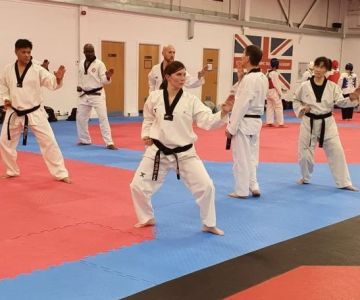
In Tae Kwon Do, athletes push their bodies through intense training sessions involving kicks, sparring, forms, and agility drills. Implementing The Best Recovery Practices for Tae Kwon Do Athletes is essential not only for performance but also for long-term health. Recovery allows muscles to repair, joints to stabilize, and energy systems to replenish. Without adequate recovery, athletes risk fatigue, decreased performance, and increased likelihood of injury.
1.1 Physiological Benefits
Recovery stimulates muscle repair, reduces inflammation, and enhances the body’s ability to handle future training loads. By managing recovery, athletes can sustain higher training intensity, improve endurance, and maintain optimal flexibility for executing precise techniques.
1.2 Psychological Benefits
Beyond physical repair, recovery supports mental resilience. The best practices include strategies to reduce stress and maintain motivation, ensuring athletes approach each session with focus and confidence.
2. Active Recovery Techniques
2.1 Low-Intensity Exercise
Engaging in low-intensity activities like light jogging, swimming, or cycling encourages blood flow without straining muscles. For TKD athletes, active recovery helps remove lactic acid accumulation and prevents stiffness after intense sparring sessions.
2.2 Mobility Drills
Incorporating dynamic stretches and joint mobility exercises ensures full range of motion and decreases the risk of strains. Hip openers, ankle rotations, and shoulder mobility exercises are particularly beneficial for Tae Kwon Do practitioners due to the emphasis on kicks and upper-body control.
3. Nutrition and Hydration
3.1 Post-Training Nutrition
Consuming the right nutrients after training supports muscle repair and glycogen replenishment. A balanced meal containing lean protein, complex carbohydrates, and healthy fats is crucial. Examples include grilled chicken with quinoa and vegetables or a protein smoothie with fruits and almond butter.
3.2 Hydration
Maintaining hydration before, during, and after training is critical. Water is essential, and for longer sessions, electrolyte drinks can help replace sodium and potassium lost through sweat, maintaining proper muscle function and endurance.
4. Stretching and Mobility
4.1 Static Stretching
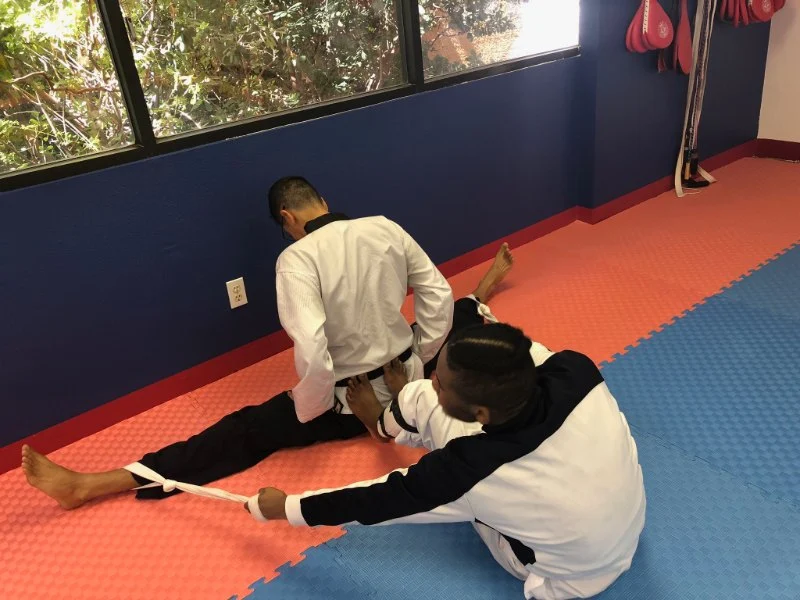
After intense sessions, static stretches targeting hamstrings, quadriceps, hips, and shoulders help lengthen muscles and improve flexibility. Proper stretching reduces soreness and enhances the ability to execute high kicks and rapid directional changes.
4.2 Foam Rolling and Massage
Foam rolling or using massage tools helps release muscle tension and improves circulation. Many elite TKD athletes integrate foam rolling into their daily routine to prevent tightness and promote faster recovery.
5. Sleep and Rest
5.1 Quality Sleep
Sleep is the cornerstone of recovery. During deep sleep, the body secretes growth hormone that repairs muscles and supports tissue regeneration. TKD athletes should aim for 7-9 hours of uninterrupted sleep nightly.
5.2 Strategic Rest Days
Planned rest days are as important as training days. They allow the nervous system to recover, prevent overtraining, and reduce the risk of burnout. Light activities like walking or stretching on rest days maintain mobility without taxing the body.
6. Mental Recovery and Meditation
6.1 Mindfulness Practices
Mental recovery is often overlooked. Meditation, deep breathing, and visualization techniques help athletes recover mentally, reduce stress, and maintain focus during competitions.
6.2 Stress Management
Incorporating mindfulness into daily routines improves emotional regulation, resilience, and confidence. Visualization of successful techniques and sparring scenarios can enhance both performance and recovery.
7. Injury Prevention and Treatment
7.1 Preventive Measures
Regular assessments, proper warm-ups, and using appropriate protective gear minimize injury risks. TKD athletes should follow evidence-based conditioning and mobility programs targeting joints prone to stress.
7.2 Treatment Protocols
If injuries occur, a combination of rest, ice, compression, elevation, and professional care accelerates healing. Accessing sports physiotherapy and monitoring recovery ensures safe return to training.
8. Real-Life Athlete Experiences
8.1 Case Study: Competitive TKD Athlete
Jessica, a national-level TKD competitor, shared that implementing structured recovery including mobility drills, sleep optimization, and post-training nutrition improved her sparring outcomes. She noticed fewer injuries and greater endurance in tournaments.
8.2 Community Insights
Members of the Jeuns TKD Hub community report that following recommended recovery routines enhances performance consistency. Sharing tips on stretching, hydration, and mental recovery creates a supportive environment for continuous improvement.
9. Recommended Products and Tools
High-quality foam rollers, resistance bands, and recovery mats are essential. For recovery supplements, protein powders and electrolyte drinks aid muscle repair. Visit Jeuns TKD Hub to find trusted products tailored to TKD athletes’ needs.
10. Daily Recovery Routines
A typical daily recovery routine includes:
- Morning mobility exercises and dynamic stretching
- Post-training hydration and balanced nutrition
- Evening static stretches and foam rolling
- Meditation or visualization before sleep
- Consistent sleep schedule with 7-9 hours of rest
Implementing these steps consistently ensures sustained performance, reduced injury risk, and enhanced longevity in Tae Kwon Do training and competitions.
By incorporating The Best Recovery Practices for Tae Kwon Do Athletes outlined above, practitioners can elevate their training outcomes, maintain peak physical and mental condition, and optimize long-term success. Explore Jeuns TKD Hub for expert guidance, gear, and nutrition options to support your recovery and performance goals.
 Aikido of San Jose4.0 (7 reviews)
 Nikko Jujitsu School4.0 (9 reviews)
 Gracie Barra San Clemente Martial Arts4.0 (47 reviews)
 Karate Institute of America4.0 (4 reviews)
 Keweenaw Korean Martial Arts0.0 (0 reviews)
 Wing Chun School of Internal Arts5.0 (6 reviews)
 How to Execute a Jumping Roundhouse Kick to the Head
 How to Execute a Double Kick Combination in Sparring
 How to Perform a Flawless Axe Kick: A Step-by-Step Guide
 DIY Tae Kwon Do Training Equipment for Home Practice
 How to Increase Your Vertical Jump for Tae Kwon Do Flying Kicks
 The History of the Tae Kwon Do Peace Corps