
- 1 - Importance of a Training Routine
- 2 - Assessing Your Current Skill Level
- 3 - Designing Your Weekly Routine
- 4 - Incorporating Mental and Physical Training
- 5 - Tracking Progress and Adjusting
- 6 - Real-Life Success Stories
- 7 - Resources and Guidance
1. Importance of a Training Routine
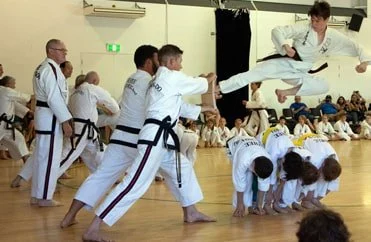
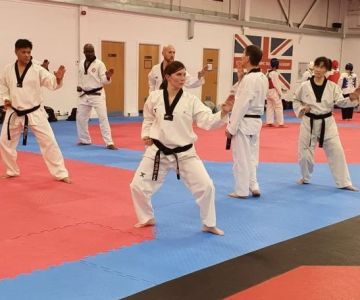
Consistency is key to mastering Tae Kwon Do. Building a structured routine ensures that you practice regularly, prevent injuries, and steadily improve your techniques. Without a clear routine, even dedicated martial artists may plateau in skill development.

Budo Martial Arts Studio / budo martial arts studio
Ewing TownshipMercer CountyNew Jersey
9 Scotch Rd, Ewing Township, NJ 08628, USA
1.1 Benefits of a Structured Routine
Regular practice leads to:
- Improved muscle memory for kicks, strikes, and blocks
- Better stamina and overall physical conditioning
- Enhanced mental focus and discipline
1.2 Common Pitfalls
Many learners struggle with inconsistent training due to lack of planning, unpredictable schedules, or unclear goals. Identifying these pitfalls early is crucial to maintain progress.
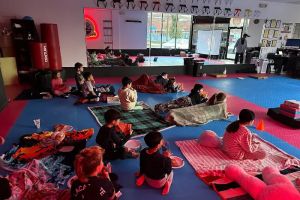
Champions Martial Arts Plainview / champions martial arts plainview
PlainviewNassau CountyNew York
10 Washington Ave, Plainview, NY 11803, USA
2. Assessing Your Current Skill Level
Before building a routine, honestly evaluate your current skill level. Consider:
- Strengths and weaknesses in specific techniques
- Endurance and flexibility
- Consistency in previous training habits
2.1 Self-Assessment Techniques
Recording your training sessions and reviewing your performance is an effective method. You can also ask instructors or peers to provide constructive feedback to identify areas needing improvement.
3. Designing Your Weekly Routine
A balanced routine should incorporate skill practice, conditioning, and recovery. A sample structure may include:
3.1 Daily Focus Areas
- Monday: Kicking drills and flexibility exercises
- Tuesday: Hand techniques and sparring practice
- Wednesday: Strength training and endurance conditioning
- Thursday: Forms (poomsae) and precision techniques
- Friday: Sparring and defensive drills
- Saturday: Review, cross-training, or light practice
- Sunday: Rest and recovery
3.2 Duration and Intensity
Each session should be tailored to your current fitness level. Beginners may start with 45-minute sessions, while advanced practitioners can train 1–2 hours per day. Include warm-ups and cool-downs to prevent injuries.
4. Incorporating Mental and Physical Training
4.1 Mental Discipline
Visualization, meditation, and goal-setting enhance focus and confidence during sparring and forms.
4.2 Physical Conditioning
Strength, flexibility, and endurance training are essential. Exercises like squats, core workouts, and stretching complement martial arts practice and reduce injury risks.
5. Tracking Progress and Adjusting
Regular assessment allows you to adjust your routine for optimal improvement. Use journals, video analysis, or apps to monitor progress, set milestones, and celebrate achievements.
5.1 Adjusting for Plateaus
If progress stalls, modify intensity, try new drills, or incorporate cross-training. Flexibility in routine helps maintain motivation and ensures consistent improvement.
6. Real-Life Success Stories
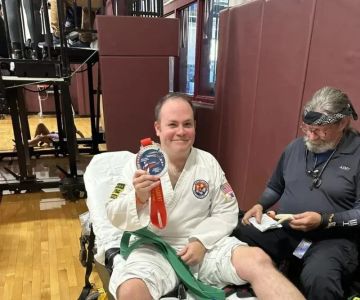
Consider Jason, a brown belt practitioner who struggled with inconsistent training. After following a structured weekly routine, focusing on both physical conditioning and mental visualization, he achieved his black belt in record time while reducing injuries.
Similarly, Maria, a teen martial artist, improved her sparring confidence by tracking her progress weekly and adjusting her kicking drills. Her structured approach led to consistent tournament success and personal growth.
7. Resources and Guidance
For tools, expert advice, and training equipment to help build an effective Tae Kwon Do routine, Jeuns TKD Hub provides curated resources for practitioners at all levels. Explore tutorials, recommended gear, and personalized guidance to maximize your progress.

 Aikido of San Jose4.0 (7 reviews)
 Nikko Jujitsu School4.0 (9 reviews)
 Gracie Barra San Clemente Martial Arts4.0 (47 reviews)
 Karate Institute of America4.0 (4 reviews)
 Keweenaw Korean Martial Arts0.0 (0 reviews)
 Wing Chun School of Internal Arts5.0 (6 reviews)
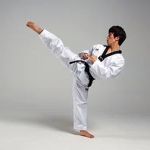 How to Execute a Jumping Roundhouse Kick to the Head
 How to Execute a Double Kick Combination in Sparring
 How to Perform a Flawless Axe Kick: A Step-by-Step Guide
 DIY Tae Kwon Do Training Equipment for Home Practice
 How to Increase Your Vertical Jump for Tae Kwon Do Flying Kicks
 The History of the Tae Kwon Do Peace Corps