
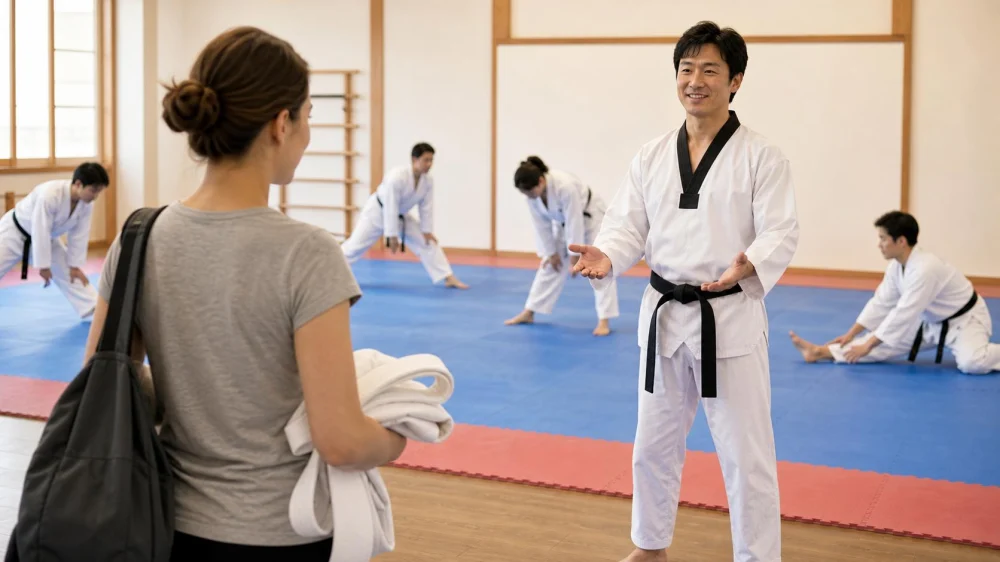
What to Expect at Your First Tae Kwon Do Class
On this page
Quick answer
Your first Tae Kwon Do class will usually include a welcome, warmup, basic stances or movements, simple kicking or blocking practice, etiquette reminders, and a cool-down. You are not expected to know everything. Focus on listening, moving safely, asking questions, and learning the rhythm of the dojang.
Budo Martial Arts Studio / budo martial arts studio
Ewing TownshipMercer CountyNew Jersey
9 Scotch Rd, Ewing Township, NJ 08628, USA
Typical first class flow
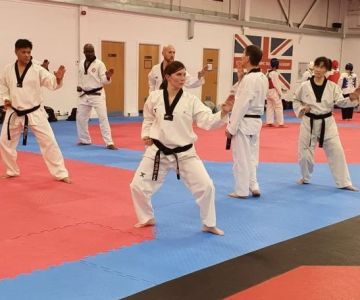
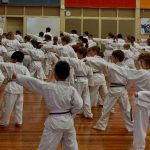
A Tae Kwon Do school, often called a dojang, may structure classes differently, but many beginner sessions follow a predictable rhythm. You may bow when entering the training area, line up with other students, warm up, practice basics, and finish with a closing routine.
The first class is often more about orientation than performance. Instructors want to see how you move, explain rules, and help you participate without overwhelming you.
Champions Martial Arts Plainview / champions martial arts plainview
PlainviewNassau CountyNew York
10 Washington Ave, Plainview, NY 11803, USA
What to bring
- Comfortable clothing: wear flexible athletic clothes if you do not yet have a uniform.
- Water: bring a bottle and ask when water breaks are normally taken.
- Clean feet or approved shoes: many dojangs train barefoot on mats.
- Hair tie and trimmed nails: small preparation helps prevent distractions and scratches.
- Questions: write down anything about class levels, uniforms, testing, or schedule.
- Patience: coordination improves over time, not in one class.
Etiquette basics
Tae Kwon Do etiquette teaches respect, attention, and self-control. You may be asked to bow, address instructors by title, line up by rank, wait before stepping onto the mat, and avoid talking while instructions are given.
If you are unsure what to do, watch senior students and ask quietly before or after class. Most schools expect beginners to learn etiquette gradually.
Beginner safety and pacing
Move at a level you can control. Kicks, stances, and footwork should be learned with balance before speed or height. Tell the instructor about any relevant injuries or limitations before class starts.
Stop and ask for help if you feel sharp pain, dizziness, or confusion about a movement. Good beginner training should build skill without pushing you into unsafe intensity.
Best for and not ideal for
This guide is best for adults, teens, parents, or families visiting a local Tae Kwon Do school for the first time in the United States.
It is not ideal for medical clearance, injury rehabilitation, or deciding whether martial arts are safe for a specific health condition. Ask a qualified health professional when needed.
Questions to ask
- Which beginner class should I attend first?
- Do I need a uniform right away?
- How do you group students by age, rank, or experience?
- What safety gear is required for sparring?
- How often should beginners train each week?
- How do belt testing and promotions work?
- What should I practice at home?
Important notes
- Do not compare your first class to advanced students’ years of practice.
- Warm up and cool down as instructed.
- Controlled technique matters more than high kicks at the beginning.
- School culture varies, so visit more than one dojang if the first does not feel right.
FAQ
Do I need to be flexible before starting Tae Kwon Do?
No. Flexibility can improve through consistent training. Beginners should focus on safe range of motion and controlled movement.
Will I have to spar in my first class?
Usually not. Many schools introduce sparring later, after students learn basics and safety rules. Ask the instructor how their program works.
What should parents watch during a child’s first class?
Look for clear instruction, safe pacing, respectful discipline, age-appropriate activities, and whether the child feels encouraged rather than pressured.
How often should a beginner attend?
Many beginners start with one to three classes per week, depending on schedule, recovery, and school recommendations.
Evidence notes
This guidance reflects common martial arts class practices: safe progression, etiquette, instructor supervision, and gradual skill development. Individual schools may follow different curricula or affiliation standards.
Next steps
Contact a local Tae Kwon Do school, ask which class is best for beginners, and arrive early enough to meet the instructor. After class, note how safe, welcoming, and clear the instruction felt before deciding whether to continue.

 Aikido of San Jose4.0 (7 reviews)
 Nikko Jujitsu School4.0 (9 reviews)
 Gracie Barra San Clemente Martial Arts4.0 (47 reviews)
 Karate Institute of America4.0 (4 reviews)
 Keweenaw Korean Martial Arts0.0 (0 reviews)
 Wing Chun School of Internal Arts5.0 (6 reviews)
 How to Execute a Jumping Roundhouse Kick to the Head
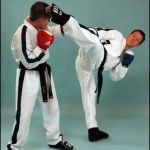 How to Execute a Double Kick Combination in Sparring
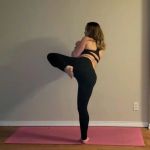 How to Perform a Flawless Axe Kick: A Step-by-Step Guide
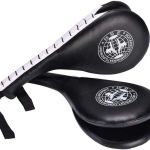 DIY Tae Kwon Do Training Equipment for Home Practice
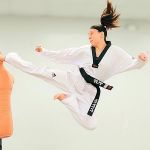 How to Increase Your Vertical Jump for Tae Kwon Do Flying Kicks
 The History of the Tae Kwon Do Peace Corps