
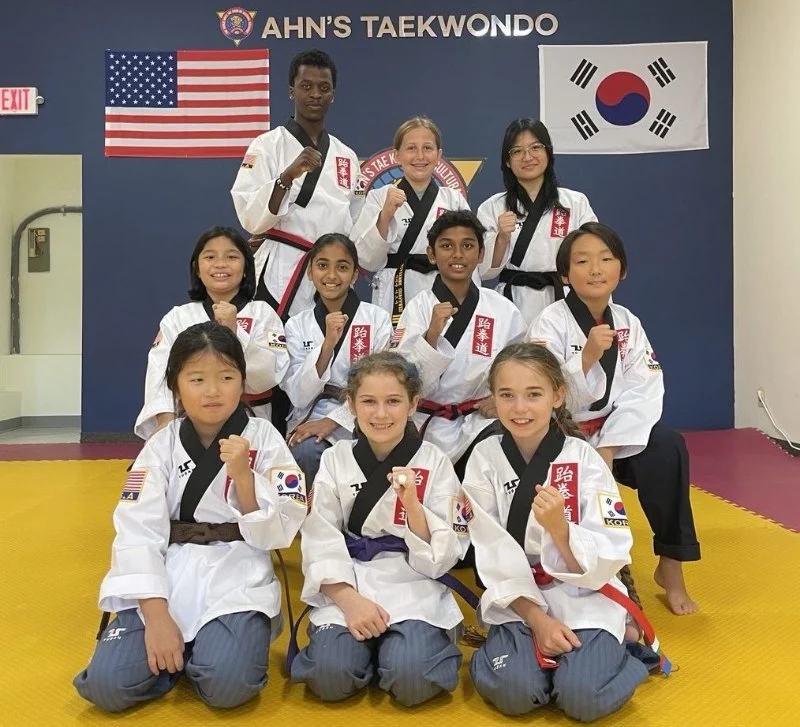
- demonstration-team-basics - Understanding what a TKD demonstration team really is and how it functions in martial arts training
- performance-experience-growth - How performance experience shapes confidence, discipline, and technical precision
- training-and-discipline - Daily training structure, physical conditioning, and mental preparation
- real-world-performance-value - How demonstration skills translate into competitions, events, and personal growth
- student-stories-and-case-examples - Realistic scenarios showing transformation through team participation
- long-term-benefits - Leadership, confidence, and career or life advantages beyond martial arts
Why Tae Kwon Do Demonstration Teams Matter in Modern Martial Arts Training
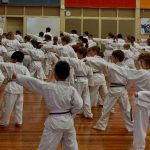
A Tae Kwon Do demonstration team is often misunderstood as just a group performing flashy kicks and synchronized routines. In reality, it is one of the most structured and demanding environments in martial arts training. Students are not only practicing techniques—they are learning how to perform under pressure, synchronize with a team, and deliver precision that holds up in front of live audiences.
The concept of a Tae Kwon Do demonstration team goes beyond performance. It represents a bridge between traditional training and real-world expression. For many students, this is where martial arts becomes more than a personal discipline—it becomes a public art form.
How Performance Experience Transforms Martial Arts Development
Building Technical Precision Through Repetition
One of the first things students notice when joining a demonstration team is the level of repetition required. Techniques that might feel “good enough” in regular class suddenly need to be perfect—timing, angle, and height all matter. This level of detail pushes students to refine their fundamentals in ways standard training often cannot.
Developing Stage Confidence Under Real Pressure
Performance anxiety is real, even for experienced martial artists. Being part of a demonstration team means learning how to control breathing, manage nerves, and stay focused in front of crowds. This type of martial arts performance experience builds a mental resilience that carries into competitions and even everyday life situations.
A common example comes from regional tournaments in the United States where demonstration teams are invited to perform during opening ceremonies. Many students recall how their first public performance felt overwhelming, but after several events, the same students became the calmest and most focused performers in their group.
Training Structure Inside a Tae Kwon Do Demonstration Team
Physical Conditioning Beyond Regular Classes
Training for demonstration teams is more intense than standard dojo sessions. Students often include plyometric drills, flexibility routines, and explosive kicking exercises designed specifically for performance routines. These exercises build endurance and ensure that movements remain sharp even after repeated performances.
Team Synchronization and Timing Discipline
Unlike individual sparring or forms practice, demonstration routines require perfect synchronization. A single mistimed kick or delayed jump can affect the entire performance. This teaches students awareness—not just of their own movement, but of everyone around them.
Creative Choreography and Expression
Another unique aspect is choreography. Teams often design routines that tell a story or highlight martial arts philosophy. This blends athletic skill with creativity, allowing students to express personality while still respecting traditional TKD structure.
Real Student Experience: From Nervous Beginner to Confident Performer
One widely shared story among instructors involves a teenage student who joined a demonstration team with extreme stage fright. During the first performance rehearsal, the student struggled with even basic timing. Instead of being discouraged, the coaching staff broke routines into smaller segments, allowing gradual adaptation.
After several months of training and multiple school demonstrations, the same student not only performed confidently but later became a junior team leader. This transformation is common in structured programs where repetition, encouragement, and performance exposure work together.
This kind of growth is exactly why many instructors recommend joining a team early in training. Platforms like Jeuns TKD Hub often highlight programs that support structured demonstration training for beginners and advanced students alike.
Why Demonstration Teams Improve Competition Readiness
Sharper Reaction Time and Body Awareness
Competition success in Tae Kwon Do depends heavily on reaction time and precision. Demonstration training naturally improves both, because routines demand fast transitions, high kicks, and controlled landings.
Stronger Mental Focus During High-Stakes Moments
Unlike sparring, where unpredictability dominates, demonstration routines require memorization and execution under pressure. This builds mental consistency that directly benefits tournament performance.
Better Adaptability Across Martial Arts Styles
Students exposed to performance training often find it easier to adapt to different martial arts styles or hybrid competitions. This is because they already understand rhythm, pacing, and spatial awareness at a higher level.
Social and Personal Growth Through Team Participation
Building Trust and Communication Skills
A demonstration team functions like a tightly connected unit. Members must communicate constantly, both verbally and non-verbally. This improves social awareness and builds trust between teammates.
Leadership Opportunities for Advanced Students
As students progress, they often take on leadership roles—helping newer members learn routines, correct techniques, and stay motivated. This experience becomes valuable far beyond martial arts training.
Long-Term Confidence That Extends Beyond the Dojo
Perhaps the most overlooked benefit is how confidence carries into academic, professional, and personal environments. Students who once struggled with public speaking or group presentations often find those challenges easier after performing regularly.
When Martial Arts Becomes a Lifelong Skill Set
A Tae Kwon Do demonstration team is not just about performing kicks or breaking boards. It is about developing discipline, confidence, and teamwork in a structured environment that rewards consistency and effort.
Many instructors describe it as the “hidden classroom” of martial arts, where students learn lessons that are not explicitly taught but naturally absorbed through repetition and experience.
For those interested in exploring structured training opportunities or demonstration-focused programs, Jeuns TKD Hub provides access to curated martial arts resources and training pathways designed for both beginners and advanced practitioners.


 Aikido of San Jose4.0 (7 reviews)
 Nikko Jujitsu School4.0 (9 reviews)
 Gracie Barra San Clemente Martial Arts4.0 (47 reviews)
 Karate Institute of America4.0 (4 reviews)
 Keweenaw Korean Martial Arts0.0 (0 reviews)
 Wing Chun School of Internal Arts5.0 (6 reviews)
 How to Execute a Jumping Roundhouse Kick to the Head
 How to Execute a Double Kick Combination in Sparring
 How to Perform a Flawless Axe Kick: A Step-by-Step Guide
 DIY Tae Kwon Do Training Equipment for Home Practice
 How to Increase Your Vertical Jump for Tae Kwon Do Flying Kicks
 The History of the Tae Kwon Do Peace Corps