
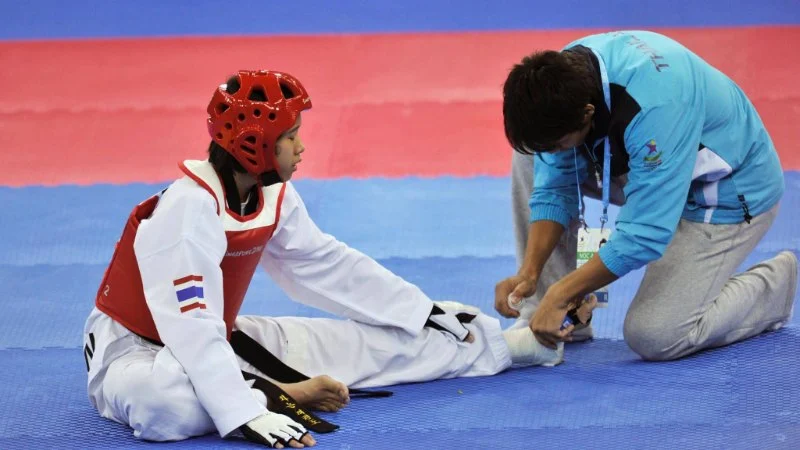
- Overview of Injury Prevention in Tae Kwon Do
- The Importance of Proper Warm-Up
- Perfecting Your Technique to Avoid Injuries
- Using Protective Gear Effectively
- Mental Preparation and Focus for Sparring
- Recovery and Rest: Key to Injury Prevention
Overview of Injury Prevention in Tae Kwon Do
Injury prevention is a crucial aspect of training in Tae Kwon Do, especially during sparring sessions. While Tae Kwon Do is a dynamic and powerful martial art, it can also be physically demanding. Sparring involves fast-paced movements and physical contact, which makes it essential to stay injury-free. This article will guide you through key strategies to minimize the risk of injury while sparring, ensuring a safer and more effective training experience.

Budo Martial Arts Studio / budo martial arts studio
Ewing TownshipMercer CountyNew Jersey
9 Scotch Rd, Ewing Township, NJ 08628, USA
The Importance of Proper Warm-Up
Warming up before any physical activity is vital for preparing your body and reducing the risk of injury. A good warm-up increases blood flow to the muscles, improves flexibility, and mentally prepares you for the physical activity ahead.

Champions Martial Arts Plainview / champions martial arts plainview
PlainviewNassau CountyNew York
10 Washington Ave, Plainview, NY 11803, USA
1. Dynamic Stretching
Dynamic stretching involves controlled movements that prepare your muscles for the demands of sparring. Focus on leg stretches, hip rotations, and arm swings to get your body ready for high-intensity movements. This kind of stretching helps to activate key muscle groups used in Tae Kwon Do.
2. Cardiovascular Warm-Up
Incorporate light cardio exercises, such as jogging or jumping jacks, into your warm-up routine. This helps to elevate your heart rate and gets your body moving, which is essential for sparring.
Perfecting Your Technique to Avoid Injuries
Good technique is crucial in reducing the risk of injury during sparring. Poor technique can result in missteps, unbalanced strikes, and unnecessary strain on your muscles and joints.
1. Proper Stance and Balance
Maintain a stable stance during sparring. Ensure that your weight is distributed evenly and that your knees are slightly bent for better mobility and balance. Poor balance can lead to falls and unnecessary strain on the lower body.
2. Controlled Movements
It's important to keep your movements controlled and avoid overexerting yourself. Executing techniques too quickly or with excessive force can lead to mistakes and potential injuries. Focus on precision rather than speed.
Using Protective Gear Effectively
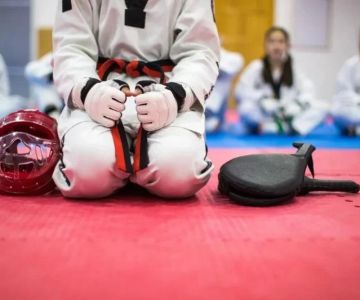
Protective gear is essential for minimizing injuries during sparring sessions. Properly fitted gear ensures that you are shielded from impact while maintaining mobility and comfort.
1. Headgear and Mouthguards
Headgear is critical for protecting your head and face from accidental blows, which can result in serious injuries. Mouthguards help prevent teeth injuries and protect the jaw. Both are essential for any sparring session.
2. Gloves and Foot Protection
Make sure your gloves are properly padded and fit snugly around your hands to absorb impacts. Foot protection such as shin guards or footpads can prevent injuries to your feet and lower legs, especially during quick footwork and kicks.
Mental Preparation and Focus for Sparring
Mental preparation plays a huge role in preventing injuries. Staying focused and aware during sparring allows you to anticipate movements, react appropriately, and adjust your technique if necessary.
1. Visualization Techniques
Before sparring, take a moment to visualize yourself performing well in the match. Picture yourself moving smoothly and executing techniques with control. Visualization can improve both mental and physical performance.
2. Staying Calm Under Pressure
Learning to stay calm during sparring is essential. Panicking or rushing can lead to careless mistakes, which increases the likelihood of injury. Practice mindfulness techniques to maintain composure during intense moments.
Recovery and Rest: Key to Injury Prevention
Proper recovery is just as important as training. Rest and recovery help your muscles repair, reduce fatigue, and keep your body in top condition for the next sparring session.
1. Active Recovery
Incorporate light activities such as walking or stretching after a sparring session to keep your body from stiffening up. Active recovery helps prevent soreness and accelerates the healing process.
2. Sleep and Hydration
Make sure to get plenty of sleep after sparring. Sleep is when your body repairs and builds muscle. Staying hydrated is also crucial, as dehydration can lead to muscle cramps and fatigue, increasing the risk of injury.

 Aikido of San Jose4.0 (7 reviews)
 Nikko Jujitsu School4.0 (9 reviews)
 Gracie Barra San Clemente Martial Arts4.0 (47 reviews)
 Karate Institute of America4.0 (4 reviews)
 Keweenaw Korean Martial Arts0.0 (0 reviews)
 Wing Chun School of Internal Arts5.0 (6 reviews)
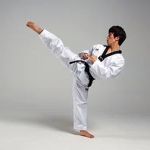 How to Execute a Jumping Roundhouse Kick to the Head
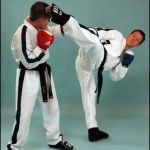 How to Execute a Double Kick Combination in Sparring
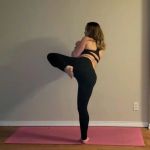 How to Perform a Flawless Axe Kick: A Step-by-Step Guide
 DIY Tae Kwon Do Training Equipment for Home Practice
 How to Increase Your Vertical Jump for Tae Kwon Do Flying Kicks
 The History of the Tae Kwon Do Peace Corps