
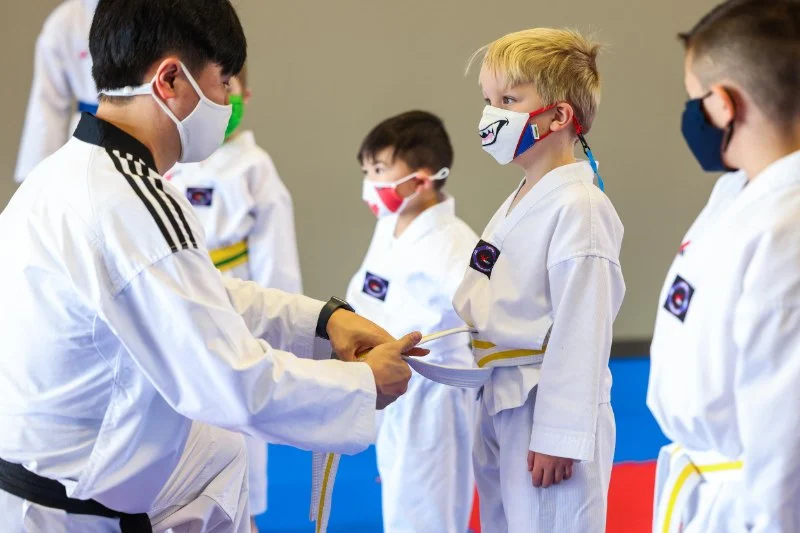
What to Expect During Your First Tae Kwon Do Belt Test
Taking your first Tae Kwon Do belt test is a milestone in your martial arts journey. It’s an exciting time where you get to demonstrate your skills, knowledge, and progress in front of your instructors and peers. But what should you expect during this challenging yet rewarding experience? In this article, we will walk you through everything you need to know about your first Tae Kwon Do belt test, from preparation to what’s involved during the exam.

Budo Martial Arts Studio / budo martial arts studio
Ewing TownshipMercer CountyNew Jersey
9 Scotch Rd, Ewing Township, NJ 08628, USA
1. Preparing for Your Tae Kwon Do Belt Test
Preparation is key to performing well during your Tae Kwon Do belt test. While each martial arts school may have slightly different requirements, the basics are generally the same. Here’s what you can expect during your preparation:
Champions Martial Arts Plainview / champions martial arts plainview
PlainviewNassau CountyNew York
10 Washington Ave, Plainview, NY 11803, USA
2. Mastering the Fundamentals
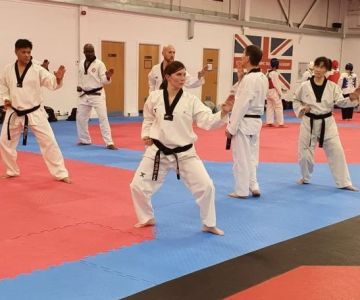
Before your belt test, you will need to demonstrate proficiency in basic Tae Kwon Do techniques. These include stances, punches, kicks, and blocks. The fundamentals are the foundation of Tae Kwon Do, and your instructors will expect you to perform these techniques with precision and control. During your preparation, make sure to practice:
- Stances: Learn the proper foot positioning for various stances, as your balance and strength depend on them.
- Kicks: Master key kicks such as front kick, roundhouse kick, and side kick. Make sure to focus on both technique and speed.
- Blocks and Punches: Your hand techniques need to be sharp and efficient, whether you’re performing a high block or a reverse punch.
3. Practicing Patterns (Forms)
Patterns, also known as "forms" or "poomsae," are sequences of movements that simulate combat situations. You will be required to perform a series of patterns that correspond to your current belt level. These patterns demonstrate your understanding of the martial art, your ability to move fluidly, and your focus. During your preparation, ensure that you’ve practiced each pattern repeatedly, paying attention to your form, timing, and breathing.
4. What to Expect on the Day of Your Belt Test
On the day of your belt test, expect a mixture of excitement, nervousness, and pride. Here’s what you can expect during the actual exam:
5. Warm-up and Instructions
The test usually begins with a group warm-up, which may include stretching, light cardio, and drills to get your body ready for the physical demands of the test. After the warm-up, your instructor will explain the order of events and any specific instructions you need to follow. This is a great time to ask questions if you’re unsure about any part of the test.
6. Performing Technical Skills
You’ll begin the exam by demonstrating your technical skills. This will include your stances, punches, kicks, and blocks. Your instructor will evaluate your form and execution, so it’s important to focus on accuracy, technique, and consistency. Remember to stay calm and composed—your instructors are there to guide and assess you, not to intimidate you.
7. Demonstrating Patterns (Forms)
Next, you’ll be asked to perform the patterns (forms) you’ve learned. You may be required to perform multiple patterns based on your current belt level. The key here is fluidity and focus—make sure each movement is deliberate and precise. If you make a mistake, don’t panic—continue with the rest of the form with confidence.
8. Sparring or Self-defense Techniques
For some belt tests, you may be required to perform sparring or demonstrate self-defense techniques. If sparring is part of your test, you’ll likely spar with a partner to showcase your control, strategy, and timing. In self-defense, you’ll need to demonstrate how to defend against common attacks using the techniques you’ve learned in class. Remember, the goal isn’t to overpower your partner or opponent but to show your ability to defend yourself effectively and with control.
9. Tips for a Successful Belt Test Performance
Here are some tips to help you perform your best on the day of your belt test:
- Stay Calm: Take deep breaths and focus on each task. Nervousness is normal, but staying calm will help you perform better.
- Follow Instructions: Pay close attention to the instructions given by your instructor or testing board. They will guide you through each part of the test.
- Practice, Practice, Practice: Leading up to the test, practice your techniques and patterns regularly. The more familiar you are with the movements, the more confident you’ll feel during the test.
- Show Confidence: Even if you make a mistake, don’t let it throw you off. Confidence in your abilities will help you stay on track and finish strong.
10. Post-Test Evaluation and Feedback
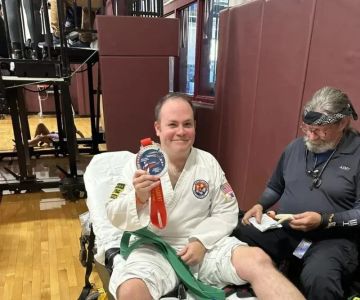
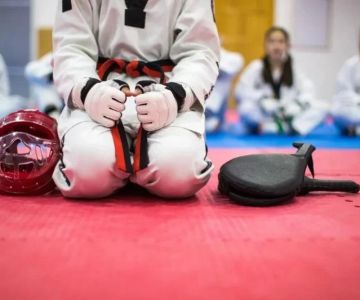
Once the test is complete, you’ll receive feedback from your instructor or testing panel. This feedback will help you understand what you did well and where you can improve. If you pass, you’ll be awarded your new belt, and if not, don’t be discouraged. Use the feedback as an opportunity to improve and prepare for your next test. Remember, the belt test is just one step in your ongoing journey to master Tae Kwon Do.
For more resources on Tae Kwon Do training and belt tests, be sure to visit Jeuns TKD Hub for expert advice and the best products to support your martial arts journey.

 Aikido of San Jose4.0 (7 reviews)
 Nikko Jujitsu School4.0 (9 reviews)
 Gracie Barra San Clemente Martial Arts4.0 (47 reviews)
 Karate Institute of America4.0 (4 reviews)
 Keweenaw Korean Martial Arts0.0 (0 reviews)
 Wing Chun School of Internal Arts5.0 (6 reviews)
 How to Execute a Jumping Roundhouse Kick to the Head
 How to Execute a Double Kick Combination in Sparring
 How to Perform a Flawless Axe Kick: A Step-by-Step Guide
 DIY Tae Kwon Do Training Equipment for Home Practice
 How to Increase Your Vertical Jump for Tae Kwon Do Flying Kicks
 The History of the Tae Kwon Do Peace Corps