
- 1-Understanding-the-Challenges-of-Training-with-a-Busy-Schedule
- 2-Setting-Realistic-Tae-Kwon-Do-Goals
- 3-Creating-an-Efficient-Training-Routine
- 4-Short-Home-Workouts-That-Build-Real-Skills
- 5-Improving-Flexibility-and-Conditioning
- 6-Making-the-Most-of-Class-Time
- 7-Mental-Training-and-Discipline
- 8-Meal-Planning-and-Recovery-for-Busy-Athletes
- 9-Common-Mistakes-People-Make
- 10-Real-Life-Training-Examples
- 11-Staying-Consistent-for-Long-Term-Progress
1. Understanding the Challenges of Training with a Busy Schedule
Many people assume martial arts training requires endless free time, but that simply is not true anymore. Between work deadlines, college classes, parenting responsibilities, and social obligations, modern life makes consistent Tae Kwon Do practice feel difficult. The biggest challenge is not always physical exhaustion. In many cases, it is mental fatigue and poor time management.
Tae Kwon Do students often quit not because they lose interest, but because they feel overwhelmed trying to balance training with everyday responsibilities. The good news is that effective martial arts training does not always require two-hour sessions every day. Consistency matters far more than perfection.
Learning how to train for Tae Kwon Do on a busy schedule starts with understanding that progress comes from smart repetition, efficient workouts, and maintaining discipline even when time feels limited.

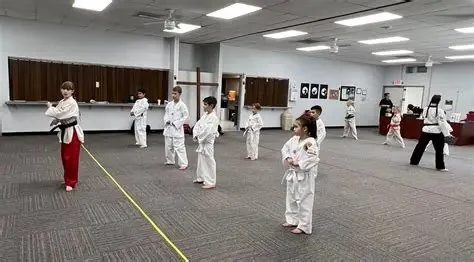
Budo Martial Arts Studio / budo martial arts studio
Ewing TownshipMercer CountyNew Jersey
9 Scotch Rd, Ewing Township, NJ 08628, USA
2. Setting Realistic Tae Kwon Do Goals
One of the biggest mistakes beginners make is creating unrealistic expectations. Trying to train six days a week while working full-time often leads to burnout. Instead, successful students create sustainable goals that fit their actual lifestyle.
Consider breaking your goals into smaller categories:
- Technical goals such as improving kicks, forms, or sparring combinations
- Fitness goals like flexibility, endurance, and balance
- Mental goals including discipline, confidence, and stress management
- Promotion goals tied to belt advancement and testing schedules
A working parent may only have 30 minutes each morning for mobility drills and one evening class twice per week. That is still enough to make steady improvement. In fact, many black belts built their foundation through short but highly focused sessions.
At Jeuns TKD Hub, many experienced practitioners recommend planning monthly goals instead of obsessing over daily perfection. This approach reduces stress while improving consistency over time.
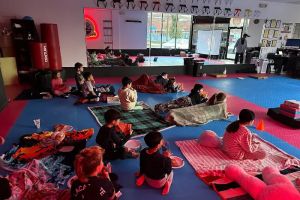
Champions Martial Arts Plainview / champions martial arts plainview
PlainviewNassau CountyNew York
10 Washington Ave, Plainview, NY 11803, USA
3. Creating an Efficient Training Routine
Efficient training is the secret weapon for busy martial artists. Instead of random practice sessions, structured routines maximize progress while minimizing wasted time.
A highly effective weekly schedule could look like this:
- Monday: 20-minute flexibility and kicking drills
- Tuesday: Full Tae Kwon Do class
- Wednesday: Core strength and balance exercises
- Thursday: Shadow sparring and footwork practice
- Friday: Full Tae Kwon Do class
- Saturday: Recovery stretching and light cardio
- Sunday: Rest or mental visualization training
This structure keeps training manageable while developing all major skill areas. The goal is not to exhaust yourself every session. Instead, each workout should have a clear purpose.
Busy professionals often benefit from shorter “micro sessions.” Ten minutes of kick repetition before work or practicing stances during television commercials may seem small, but over months these habits create real improvement.
4. Short Home Workouts That Build Real Skills
Home training is essential when schedules become unpredictable. Fortunately, Tae Kwon Do adapts extremely well to small training spaces.
A simple 25-minute home session can include:
- 5 minutes of jump rope or light cardio warm-up
- 5 minutes of dynamic stretching
- 10 minutes of kicking combinations
- 3 minutes of stance transitions
- 2 minutes of cooldown breathing exercises
Students who consistently perform these short workouts often improve faster than those who rely only on weekly classes.
One college student from Seattle shared online that she trained almost entirely in her apartment hallway during finals season. By practicing chamber position, balance drills, and controlled side kicks daily, she still passed her belt exam successfully despite attending fewer classes temporarily.
This demonstrates an important lesson: consistent fundamentals matter more than flashy marathon workouts.
5. Improving Flexibility and Conditioning
Flexibility is one of the most important physical attributes in Tae Kwon Do, especially for higher kicks and injury prevention. Busy students often skip stretching because they think it requires too much time. In reality, flexibility training can easily fit into a daily routine.
Simple opportunities include:
- Stretching while watching television
- Hip mobility exercises during work breaks
- Hamstring stretches before bed
- Ankle mobility drills during morning routines
Conditioning also does not require expensive equipment. Bodyweight exercises like squats, lunges, push-ups, and planks develop martial arts strength effectively.
Many instructors recommend combining cardio with Tae Kwon Do movement patterns. For example:
- 30 seconds front kicks
- 30 seconds jumping jacks
- 30 seconds roundhouse kicks
- 30 seconds mountain climbers
This style of interval training builds endurance while improving technique under fatigue.
6. Making the Most of Class Time
If you only attend one or two classes weekly, maximizing every minute becomes extremely important. Walking into class distracted or mentally exhausted reduces learning efficiency.
Successful students prepare before class by:
- Reviewing forms or terminology beforehand
- Arriving early to stretch
- Setting a clear focus for the session
- Watching advanced students carefully
- Taking quick notes afterward
Some martial artists even record themselves practicing at home to identify weaknesses between classes. This level of self-awareness accelerates progress dramatically.
Instructors often notice students who train intelligently outside class because they retain techniques more consistently and improve faster during sparring drills.
7. Mental Training and Discipline
Tae Kwon Do is not just physical training. Mental discipline plays a major role in long-term success, especially for adults balancing careers and responsibilities.
Visualization techniques can strengthen performance even on rest days. Many athletes mentally rehearse:
- Perfect kicking form
- Sparring combinations
- Belt test sequences
- Breaking techniques
- Defensive reactions
Sports psychology research shows visualization improves confidence and reaction time. Elite athletes across many sports use these methods regularly.
Another powerful strategy is removing decision fatigue. Instead of debating whether to train each day, create a fixed schedule that becomes automatic. Discipline grows when training becomes part of your lifestyle rather than an optional activity.
8. Meal Planning and Recovery for Busy Athletes
Nutrition and recovery are often ignored by busy martial artists, yet they directly impact performance and energy levels.
Simple meal preparation strategies include:
- Preparing protein and vegetables in advance
- Keeping healthy snacks available
- Staying hydrated throughout the day
- Avoiding excessive fast food before training
Sleep is equally critical. Many students train hard but fail to recover properly because of poor sleeping habits. Recovery supports:
- Muscle repair
- Mental focus
- Reaction speed
- Flexibility improvements
- Injury prevention
Even short recovery habits like foam rolling, light stretching, or breathing exercises can improve performance significantly over time.
9. Common Mistakes People Make
Busy Tae Kwon Do students frequently fall into avoidable traps.
Some of the most common mistakes include:
- Trying to train too intensely every session
- Skipping warm-ups due to limited time
- Neglecting flexibility work
- Comparing progress to full-time athletes
- Taking long breaks after missing one session
Another major issue is inconsistency. Missing one workout is not harmful, but allowing guilt to turn into a month-long absence damages momentum.
Experienced instructors often say that maintaining rhythm matters more than occasional bursts of motivation.
10. Real-Life Training Examples
A software engineer from Texas shared how he earned his black belt while working 50-hour weeks. His strategy involved waking up 30 minutes earlier every morning for stretching and technique drills. Instead of chasing perfect workouts, he focused on consistency.
Another example involved a mother of two who trained during lunch breaks three days per week. She practiced forms in a quiet conference room and attended weekend sparring sessions when possible. Her progress inspired other adults at her dojang who believed they were “too busy” for martial arts.
Stories like these are becoming increasingly common as more people realize martial arts training can adapt to modern lifestyles.
Many practitioners discover that Tae Kwon Do actually improves productivity because training reduces stress, increases focus, and builds mental resilience.
11. Staying Consistent for Long-Term Progress
Long-term Tae Kwon Do success comes from sustainable habits, not extreme schedules. Training on a busy schedule requires flexibility, patience, and smart planning.
Some final strategies include:
- Schedule workouts like important appointments
- Keep training gear visible and accessible
- Track small improvements weekly
- Celebrate consistency instead of perfection
- Stay connected with instructors and classmates for motivation
The reality is that many of the most disciplined martial artists are not people with unlimited free time. They are individuals who learned how to use limited time effectively.
For additional training guidance, equipment recommendations, class resources, and practical martial arts advice, many students explore materials available through Jeuns TKD Hub. Finding efficient ways to train consistently can help you improve your skills, maintain motivation, and successfully balance Tae Kwon Do with everyday responsibilities.


 Aikido of San Jose4.0 (7 reviews)
 Nikko Jujitsu School4.0 (9 reviews)
 Gracie Barra San Clemente Martial Arts4.0 (47 reviews)
 Karate Institute of America4.0 (4 reviews)
 Keweenaw Korean Martial Arts0.0 (0 reviews)
 Wing Chun School of Internal Arts5.0 (6 reviews)
 How to Execute a Jumping Roundhouse Kick to the Head
 How to Execute a Double Kick Combination in Sparring
 How to Perform a Flawless Axe Kick: A Step-by-Step Guide
 DIY Tae Kwon Do Training Equipment for Home Practice
 How to Increase Your Vertical Jump for Tae Kwon Do Flying Kicks
 The History of the Tae Kwon Do Peace Corps