
- 1 - Importance-Of-A-Structured-Training-Routine
- 2 - Assessing-Your-Current-Skill-Level
- 3 - Key-Components-Of-TKD-Training
- 4 - Designing-Your-Weekly-Training-Plan
- 5 - Conditioning-And-Strength-Exercises
- 6 - Technique-Practice-And-Kata
- 7 - Sparring-And-Application
- 8 - Tracking-Progress-And-Adjustments
- 9 - Real-Life-Training-Success-Stories
1. Importance of a Structured Training Routine
Developing a structured Tae Kwon Do (TKD) training routine is essential for consistent improvement, injury prevention, and skill mastery. Unlike casual practice, a planned routine ensures balanced development across techniques, conditioning, and mental discipline.

Budo Martial Arts Studio / budo martial arts studio
Ewing TownshipMercer CountyNew Jersey
9 Scotch Rd, Ewing Township, NJ 08628, USA
1.1 Consistency Drives Progress
Regular, scheduled training promotes muscle memory, coordination, and mental focus. Sporadic practice can hinder skill development and slow progression through belt levels.

Champions Martial Arts Plainview / champions martial arts plainview
PlainviewNassau CountyNew York
10 Washington Ave, Plainview, NY 11803, USA
1.2 Preventing Burnout and Injury
A well-designed routine balances intensity, recovery, and varied training components to reduce overuse injuries and maintain motivation over time.
2. Assessing Your Current Skill Level
Before creating a routine, evaluate your existing abilities, strengths, and areas for improvement.
2.1 Physical Assessment
Examine flexibility, balance, strength, and cardiovascular endurance. Identifying weaknesses allows for targeted conditioning and technical improvement.
2.2 Technical Assessment
Evaluate mastery of fundamental kicks, punches, blocks, and stances. Recording your practice sessions or receiving instructor feedback can highlight areas needing focus.
2.3 Goal Setting
Define short-term and long-term objectives, such as mastering a new kata, improving sparring performance, or advancing to the next belt level. Goals guide training intensity and focus.
3. Key Components of TKD Training
A complete Tae Kwon Do routine integrates multiple components to ensure holistic skill development.
3.1 Warm-Up and Flexibility
Dynamic stretches, light cardio, and mobility exercises prepare the body, enhance performance, and reduce injury risk.
3.2 Strength and Conditioning
Bodyweight exercises, resistance training, and plyometrics improve power, endurance, and stability, essential for explosive kicks and sustained sparring.
3.3 Technique Drills
Repetition of kicks, punches, blocks, and footwork drills reinforces muscle memory and precision. Focus on speed, accuracy, and proper form.
3.4 Kata and Forms
Practicing patterns (poomsae) enhances technique flow, coordination, and mental focus, bridging practice with real combat application.
3.5 Sparring and Application
Controlled sparring allows practical application of skills, reaction development, and timing. Gradual increase in intensity ensures skill integration without injury.
4. Designing Your Weekly Training Plan
Effective routines balance frequency, intensity, and variety.
4.1 Sample Weekly Structure
- Monday: Warm-up, technique drills, strength conditioning
- Tuesday: Flexibility, kata practice, light sparring
- Wednesday: Cardio, technique reinforcement, balance exercises
- Thursday: Sparring drills, target practice, power kicks
- Friday: Review of kata, mental focus drills, recovery
- Saturday: Optional full-session sparring or competition prep
- Sunday: Rest or active recovery (yoga, light cardio)
4.2 Progressive Overload
Gradually increasing intensity, duration, or complexity of drills ensures continuous improvement without overtraining.
5. Conditioning and Strength Exercises
Physical preparation enhances performance and reduces risk of injuries.
5.1 Core Stability
Planks, leg raises, and rotational exercises stabilize the body for powerful kicks and punches.
5.2 Leg Strength
Squats, lunges, calf raises, and plyometric jumps enhance kicking power and agility.
5.3 Upper Body and Grip
Push-ups, pull-ups, and resistance band exercises strengthen punches, blocks, and grip for self-defense techniques.
6. Technique Practice and Kata
Precision and fluidity are honed through repetitive drills and forms practice.
6.1 Basic Kicks
Front kick (ap chagi), roundhouse (dollyo chagi), side kick (yop chagi), and spinning techniques require repetition for accuracy and power.
6.2 Combinations
Integrate kicks and punches in sequences to develop speed, coordination, and timing for sparring.
6.3 Kata (Poomsae)
Structured forms improve balance, rhythm, and mental focus, bridging technique practice with applied combat scenarios.
7. Sparring and Application
Practical application develops timing, reaction, and strategy.
7.1 Controlled Sparring
Start with light contact, emphasizing technique execution and defense before increasing intensity.
7.2 Target Practice
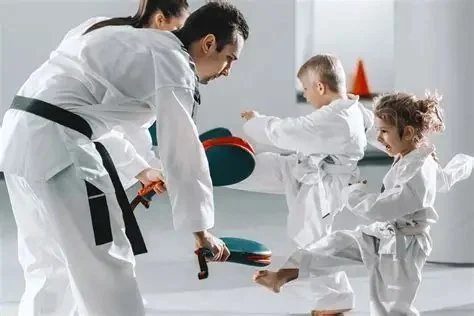
Use kicking shields or focus pads to improve precision, power, and distance management.
7.3 Mental Preparation
Visualization, breathing techniques, and strategic planning enhance sparring performance and decision-making under pressure.
8. Tracking Progress and Adjustments
Continuous evaluation ensures consistent improvement.
8.1 Record Keeping
Maintain logs of techniques, drills, sparring sessions, and conditioning exercises to monitor growth.
8.2 Feedback and Coaching
Regular feedback from instructors or peers highlights areas needing refinement and reinforces proper technique.
8.3 Adjusting Routine
Modify intensity, add new techniques, or incorporate recovery days based on performance, fatigue, and progress toward goals.
9. Real-Life Training Success Stories
Examples illustrate the effectiveness of structured Tae Kwon Do routines.
9.1 College Student Transformation
A college student implemented a structured routine combining strength training and poomsae practice. Within six months, speed, precision, and stamina improved significantly, leading to belt advancement and competition readiness.
9.2 Professional Adult Learner
An adult learner returning to TKD after a decade developed a weekly routine including sparring drills and conditioning, achieving higher flexibility and kicking power while avoiding injury.
9.3 Youth Tournament Preparation
Teen practitioners followed a daily routine integrating strength, technique, and mental focus exercises before a regional competition, resulting in improved performance and first-place placements.
Developing a solid Tae Kwon Do training routine requires evaluating current skill levels, integrating key components such as conditioning, technique drills, kata, and sparring, and consistently tracking progress. Leveraging guidance from Jeuns TKD Hub allows martial artists to maximize performance, prevent injuries, and achieve measurable improvements over time.


 Aikido of San Jose4.0 (7 reviews)
 Nikko Jujitsu School4.0 (9 reviews)
 Gracie Barra San Clemente Martial Arts4.0 (47 reviews)
 Karate Institute of America4.0 (4 reviews)
 Keweenaw Korean Martial Arts0.0 (0 reviews)
 Wing Chun School of Internal Arts5.0 (6 reviews)
 How to Execute a Jumping Roundhouse Kick to the Head
 How to Execute a Double Kick Combination in Sparring
 How to Perform a Flawless Axe Kick: A Step-by-Step Guide
 DIY Tae Kwon Do Training Equipment for Home Practice
 How to Increase Your Vertical Jump for Tae Kwon Do Flying Kicks
 The History of the Tae Kwon Do Peace Corps