
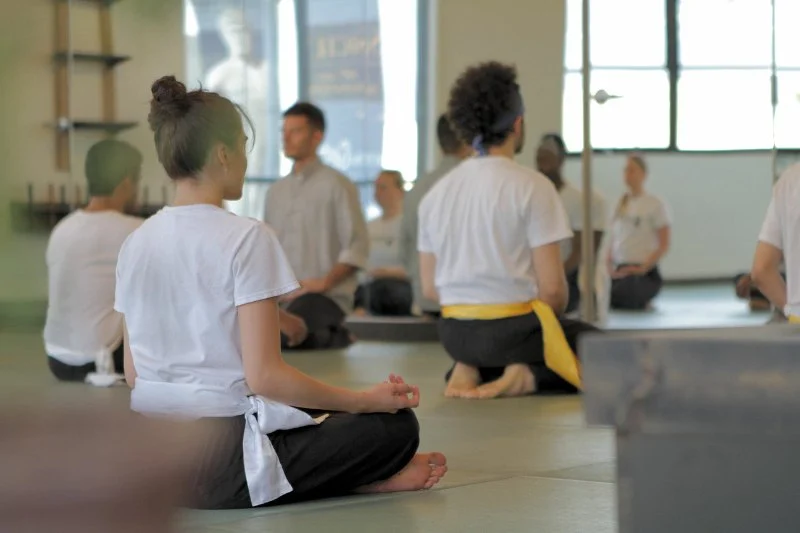
- 1-Understanding Meditation in Martial Arts
- 2-Benefits of Meditation for Tae Kwon Do Practitioners
- 3-Meditation Techniques Used in Martial Arts
- 4-Practical Tips for Integrating Meditation into Training
- 5-Jeuns TKD Hub Resources for Mindful Practice
1. Understanding Meditation in Martial Arts
Meditation in martial arts, including Tae Kwon Do, is more than a relaxation technique. It is a mental discipline that cultivates focus, clarity, and self-awareness. Practitioners use meditation to quiet the mind, control emotions, and maintain composure in high-pressure situations.

Rising Storm Training Academy / rising storm training academy
BurlingtonMiddlesex CountyMassachusetts
123 Muller Rd, Burlington, MA 01803, USA
1.1 Historical Perspective
Martial arts have traditionally incorporated meditation as a way to harmonize mind and body. Ancient masters emphasized that true strength comes from mental balance, which allows for precision and control during combat.
SDSS Martial Arts of Newton / sdss martial arts of natick
NewtonMiddlesex CountyMassachusetts
739 Beacon St, Newton, MA 02459, USA
2. Benefits of Meditation for Tae Kwon Do Practitioners
2.1 Improved Focus and Concentration
Regular meditation helps practitioners concentrate on complex techniques and anticipate opponents' movements. Enhanced focus leads to better performance in both practice and competitive scenarios.
2.2 Stress Management and Emotional Control
Meditation provides tools to manage stress and maintain emotional stability. This is crucial during sparring and tournaments, where maintaining calm can be the difference between victory and defeat.
2.3 Increased Mind-Body Awareness
By practicing mindfulness, Tae Kwon Do students develop heightened awareness of their movements and surroundings. This leads to more efficient techniques and quicker reaction times.
3. Meditation Techniques Used in Martial Arts
3.1 Breathing Exercises
Controlled breathing helps center the mind and regulate energy flow. Techniques such as deep abdominal breathing are commonly used before sparring or performing forms.
3.2 Visualization
Mental rehearsal of forms, sparring scenarios, and successful techniques strengthens neural pathways, making movements more instinctive during actual practice.
3.3 Mindfulness Meditation
Mindfulness practice encourages observation without judgment, allowing martial artists to identify weaknesses, track progress, and maintain a calm, focused mindset.
4. Practical Tips for Integrating Meditation into Training
Start with short sessions of 5-10 minutes, gradually increasing duration as focus improves. Combine meditation with warm-up routines, cool-down exercises, or even brief breaks between sparring drills. Consistency is key to experiencing the full benefits.
Sharing meditation practices within a dojo fosters a supportive environment, encouraging collective focus and mental discipline among students.
5. Jeuns TKD Hub Resources for Mindful Practice
Jeuns TKD Hub offers expert guidance on combining meditation with physical training. From instructional videos to articles on mental resilience and mindfulness, it provides tools for practitioners to enhance both mental and physical performance. Utilizing these resources ensures a holistic approach to Tae Kwon Do, strengthening the mind as much as the body.


 Daitoryu-Muden US0.0 (0 reviews)
 Xtreme Martial Arts and Fitness Center4.0 (49 reviews)
 World Oyama Karate - White Plains Dojo4.0 (9 reviews)
 Action Karate Doylestown4.0 (99 reviews)
 Legendary Black Belt Center5.0 (2 reviews)
 Master Kim's World Tae Kwon Do5.0 (44 reviews)
 How to Execute a Jumping Roundhouse Kick to the Head
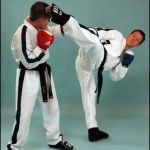 How to Execute a Double Kick Combination in Sparring
 How to Perform a Flawless Axe Kick: A Step-by-Step Guide
 DIY Tae Kwon Do Training Equipment for Home Practice
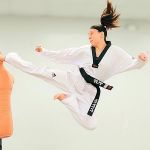 How to Increase Your Vertical Jump for Tae Kwon Do Flying Kicks
 The History of the Tae Kwon Do Peace Corps