
How to Prepare Your Body for Tae Kwon Do with Proper Conditioning
- why-conditioning-is-essential-for-tae-kwon-do
- building-foundational-strength-for-tkd
- flexibility-training-for-powerful-kicks
- improving-endurance-and-speed
- real-training-story-from-a-tkd-student
- developing-a-long-term-conditioning-routine
Tae Kwon Do is known for its explosive kicks, lightning-fast movements, and dynamic footwork. However, mastering these techniques requires more than just learning forms or practicing sparring. Proper physical preparation plays a major role in performance, injury prevention, and long-term progress. Understanding how to prepare your body for Tae Kwon Do with proper conditioning allows martial artists to build the strength, flexibility, and endurance needed for effective training.
Many beginners underestimate the importance of conditioning until they experience muscle fatigue, limited flexibility, or slow recovery after practice. A structured conditioning routine not only improves physical ability but also increases confidence and control during training sessions.

Motivate Martial Arts / motivate martial arts monroe ga
768 W Spring St, Monroe, GA 30655, USA
1. Why Conditioning Is Essential for Tae Kwon Do
Tae Kwon Do places unique demands on the body. Practitioners must generate powerful kicks while maintaining balance, speed, and accuracy.
Lee’s Taekwondo Martial Arts / master lee tkd
AnnapolisAnne Arundel CountyMaryland
1787 Forest Dr, Annapolis, MD 21401, USA
1.1 Supporting explosive kicking power
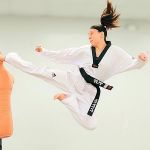
High kicks, spinning kicks, and jumping techniques require strong hips, core muscles, and leg strength. Conditioning exercises strengthen these muscle groups so that kicks become more controlled and powerful.
1.2 Improving injury prevention
Conditioning prepares muscles and joints for intense movement. Stronger muscles help stabilize joints, reducing the risk of strains or ligament injuries.
1.3 Enhancing overall martial arts performance
Well-conditioned athletes recover faster between rounds, maintain better technique under fatigue, and perform more confidently during sparring.
2. Building Foundational Strength for TKD
Strength training is one of the most important components of martial arts conditioning. It provides the base for power, balance, and stability.
2.1 Lower body strength development
Leg strength is crucial for executing fast and controlled kicks.
1. Squats help build strong thighs and glutes.
2. Lunges improve balance and leg endurance.
3. Step-ups strengthen hip stabilizers used in kicking motions.
2.2 Core stability exercises
The core connects the upper and lower body, allowing energy to transfer efficiently during kicks and strikes.
Exercises such as planks, Russian twists, and leg raises strengthen abdominal muscles and improve stability.
2.3 Upper body conditioning
Although Tae Kwon Do focuses heavily on kicks, strong shoulders and arms help with blocking, balance, and explosive movements.
Push-ups, pull-ups, and resistance band training support overall upper body strength.
3. Flexibility Training for Powerful Kicks
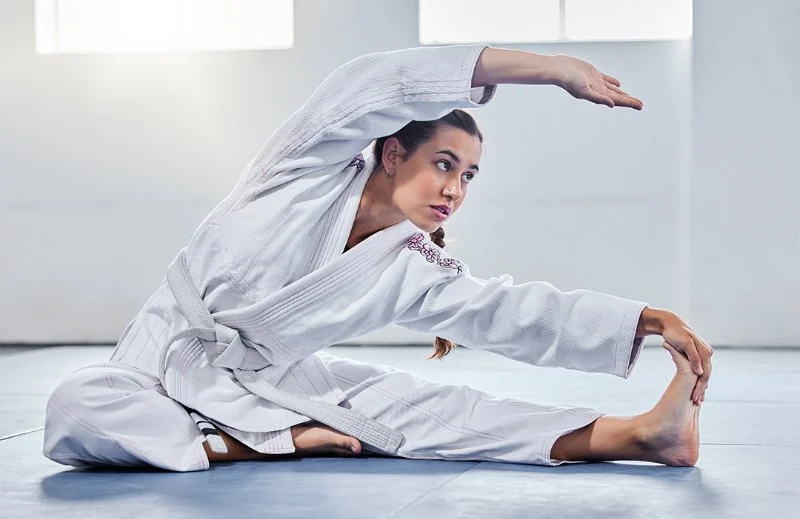
Flexibility is one of the most recognizable physical traits of experienced Tae Kwon Do practitioners. Without adequate flexibility, high kicks become difficult and potentially dangerous.
3.1 Dynamic stretching before training
Dynamic movements such as leg swings and hip circles prepare the muscles for action and improve mobility before practice.
3.2 Static stretching after workouts
After training, static stretching helps lengthen muscles and increase long-term flexibility. Hamstring, hip flexor, and groin stretches are particularly beneficial.
3.3 Hip mobility development
Hip flexibility allows practitioners to deliver powerful roundhouse and side kicks without excessive strain on the lower back.
4. Improving Endurance and Speed
Tae Kwon Do matches require bursts of speed combined with sustained movement. Conditioning should include exercises that improve cardiovascular endurance and reaction time.
4.1 Interval training
High-intensity interval training mimics the pace of sparring rounds. Short bursts of activity followed by brief rest periods improve stamina.
4.2 Agility drills
Ladder drills, cone drills, and quick footwork exercises help develop coordination and fast directional changes.
4.3 Reaction training
Partner drills and reflex exercises sharpen reaction speed, which is essential during competitive sparring.
5. Real Training Story from a TKD Student
A college student in California joined a Tae Kwon Do club hoping to improve fitness. During the first few weeks of training, he struggled with high kicks and became exhausted quickly during sparring rounds.
His instructor recommended a conditioning routine focused on strength training, flexibility exercises, and short sprint intervals. After several months of consistent practice, his kicking height improved dramatically, and he was able to complete sparring rounds with far less fatigue.
This transformation demonstrates how proper conditioning can dramatically improve martial arts performance, even for beginners.
6. Developing a Long-Term Conditioning Routine
Consistency is the most important factor when building physical conditioning for martial arts.
6.1 Training frequency
Conditioning workouts performed three to four times per week provide steady progress while allowing adequate recovery.
6.2 Balanced workout structure
A complete routine should include strength training, flexibility exercises, and endurance work. Each component contributes to overall martial arts performance.
6.3 Tracking improvement
Keeping a training journal or monitoring progress helps maintain motivation and ensures steady improvement.
Learning how to prepare your body for Tae Kwon Do with proper conditioning is a powerful step toward mastering the martial art. With consistent strength training, flexibility development, and endurance conditioning, practitioners can unlock greater speed, control, and confidence during every training session.
For martial artists looking for structured training guidance, conditioning insights, and useful Tae Kwon Do resources, platforms like Jeuns TKD Hub provide helpful tools and information that support continuous improvement.

 Grandmaster H.K. Lee Academy of TaeKwonDo4.0 (53 reviews)
 National City Muay Thai Academy5.0 (37 reviews)
 K Taekwondo - Chatsworth5.0 (7 reviews)
 Maryland Martial Arts LLC4.0 (46 reviews)
 Hwa Rang Kwan After School Program0.0 (0 reviews)
 Main Street Martial Arts4.0 (13 reviews)
 How to Execute a Jumping Roundhouse Kick to the Head
 How to Execute a Double Kick Combination in Sparring
 How to Perform a Flawless Axe Kick: A Step-by-Step Guide
 DIY Tae Kwon Do Training Equipment for Home Practice
 How to Increase Your Vertical Jump for Tae Kwon Do Flying Kicks
 The History of the Tae Kwon Do Peace Corps