
- 1. Understanding the Fixed Stance (Gojung Sogi)
- 2. Key Elements of Gojung Sogi
- 3. Step-by-Step Guide to Performing Gojung Sogi
- 4. Common Mistakes to Avoid in Gojung Sogi
- 5. Why Gojung Sogi Is Important for Tae Kwon Do
1. Understanding the Fixed Stance (Gojung Sogi)
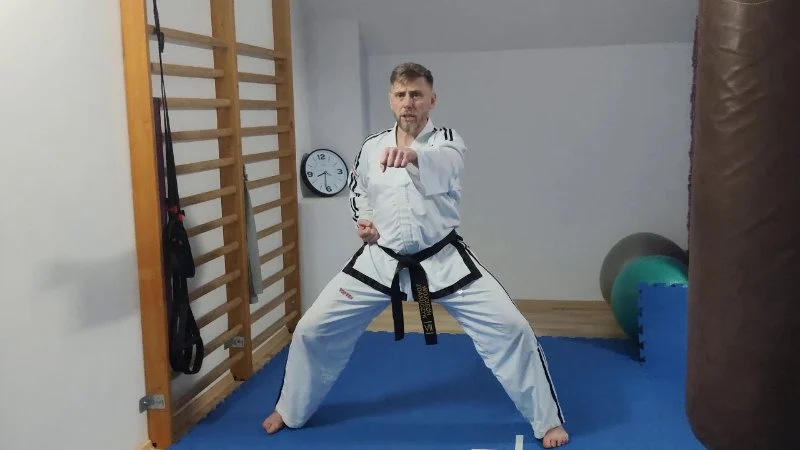
The Fixed Stance, or Gojung Sogi, is a fundamental position in Tae Kwon Do. It is a stationary stance where the practitioner plants their feet firmly on the ground to provide balance, strength, and stability. The stance is critical in martial arts as it forms the basis for many techniques, including strikes, blocks, and other defensive movements.
Unlike more dynamic stances, such as the forward stance or back stance, the fixed stance focuses on maintaining a solid foundation, making it a key element in mastering control and power. Gojung Sogi is often used in patterns (poomsae) to help athletes develop strength and improve their posture. It also teaches practitioners how to maintain focus and mental discipline while executing martial arts movements.
Budo Martial Arts Studio / budo martial arts studio
Ewing TownshipMercer CountyNew Jersey
9 Scotch Rd, Ewing Township, NJ 08628, USA
2. Key Elements of Gojung Sogi
To perform Gojung Sogi correctly, there are several essential elements to consider. These elements ensure that the stance is executed properly and provides the right foundation for other Tae Kwon Do techniques:
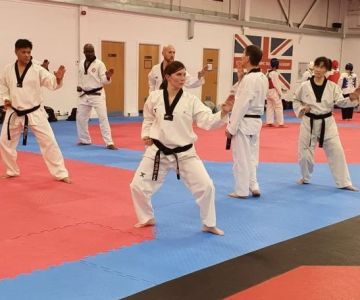
- Foot Placement: The feet should be shoulder-width apart. The front foot should point directly forward, while the back foot should be turned at a slight angle (about 45 degrees). This alignment allows for both stability and flexibility.
- Leg Position: Both legs should be bent slightly, with the knees aligned with the toes. The front leg should bear more weight, with about 70% of your body weight resting on it. The back leg should provide support, but it is not as heavily loaded.
- Body Posture: Your torso should remain upright, with the back straight and the hips square. The chest should face forward, and the shoulders should be relaxed yet firm. The alignment of your upper body helps maintain balance and prevent unnecessary strain.
- Arm Position: While the arms vary depending on the technique being performed, the general rule in Gojung Sogi is to keep the arms ready in defensive or offensive positions. Ensure your hands are relaxed, not rigid, to maintain flexibility and control.
3. Step-by-Step Guide to Performing Gojung Sogi
Performing Gojung Sogi may seem simple at first, but it requires proper technique and attention to detail. Follow these steps to correctly execute the fixed stance:
- Start from a Neutral Position: Stand with your feet together, relaxed, and your body upright.
- Step One: Position Your Feet: Move your feet apart, placing them shoulder-width apart. Ensure your front foot is facing directly forward, and the back foot is turned slightly outward (around 45 degrees).
- Step Two: Bend Your Knees: Slowly bend both knees, making sure your front knee is aligned with your toes. Your back leg should remain slightly bent, offering support without locking.
- Step Three: Lower Your Hips: Lower your hips slightly, ensuring your torso remains upright. This helps maintain the balance of the stance.
- Step Four: Adjust Your Arms: Your arms can be placed in a variety of positions depending on the technique you’re preparing for (e.g., fists clenched for a punch or open palms for a block). Keep your arms at shoulder level for easy movement.
- Step Five: Maintain the Stance: Hold the position for a few seconds to practice balance and control. The stance should feel stable and grounded, not rigid.
4. Common Mistakes to Avoid in Gojung Sogi
While the fixed stance may seem simple, beginners often make mistakes that can compromise its effectiveness. Here are some common mistakes to avoid when practicing Gojung Sogi:
- Feet Too Wide or Too Narrow: If your feet are too far apart, you lose balance. If they are too close together, the stance becomes weak. Make sure your feet are shoulder-width apart.
- Locked Knees: Locking the knees can lead to tension and restrict movement. Ensure your knees are slightly bent to maintain flexibility and avoid injury.
- Improper Back Foot Alignment: The back foot should be turned at a slight angle, not completely sideways. This will provide better support and prevent strain on the hips.
- Upper Body Tension: Tensing the upper body can make the stance uncomfortable and reduce your overall control. Keep the upper body relaxed while maintaining an upright posture.
5. Why Gojung Sogi Is Important for Tae Kwon Do
The Fixed Stance (Gojung Sogi) is essential for several reasons in Tae Kwon Do training. It teaches balance, control, and mental focus, which are crucial for mastering advanced techniques. Here’s why this stance is foundational:
- Develops Strong Foundation: Gojung Sogi creates a strong physical foundation that allows for better movement in advanced techniques. A solid stance is the key to executing powerful kicks, punches, and blocks.
- Improves Stability: With a firm base, practitioners can withstand the force of an opponent’s attack, making it easier to stay on your feet during sparring.
- Focus and Discipline: The fixed stance requires mental focus, teaching practitioners the discipline needed for all martial arts techniques. It’s a way of training the mind as well as the body.

 Aikido of San Jose4.0 (7 reviews)
 Nikko Jujitsu School4.0 (9 reviews)
 Gracie Barra San Clemente Martial Arts4.0 (47 reviews)
 Karate Institute of America4.0 (4 reviews)
 Keweenaw Korean Martial Arts0.0 (0 reviews)
 Wing Chun School of Internal Arts5.0 (6 reviews)
 How to Execute a Jumping Roundhouse Kick to the Head
 How to Execute a Double Kick Combination in Sparring
 How to Perform a Flawless Axe Kick: A Step-by-Step Guide
 DIY Tae Kwon Do Training Equipment for Home Practice
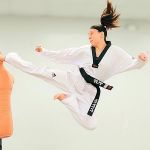 How to Increase Your Vertical Jump for Tae Kwon Do Flying Kicks
 The History of the Tae Kwon Do Peace Corps