
- 1- Assessing Your Current Fitness Level
- 2- Key Components of a Tae Kwon Do Workout
- 3- Creating a Routine: Structuring Your Training Sessions
- 4- Incorporating Strength, Flexibility, and Technique
- 5- Progress Tracking and Adjusting Your Routine
1. Assessing Your Current Fitness Level
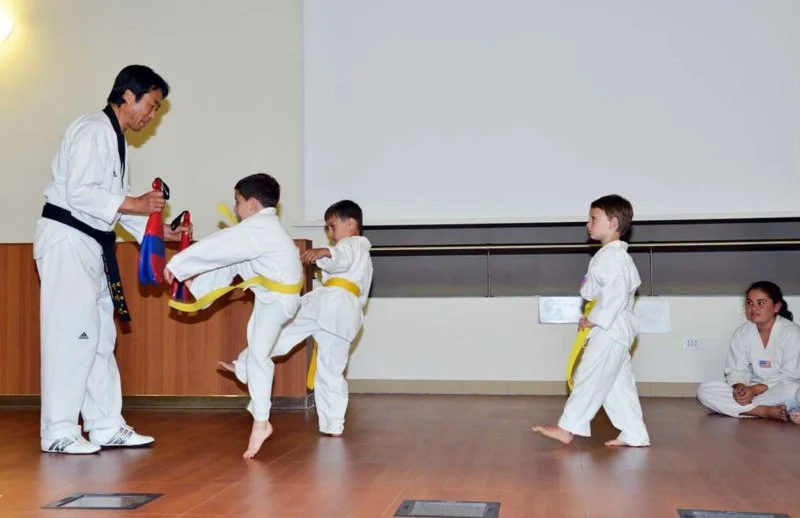
Before creating a home workout routine for Tae Kwon Do, it’s essential to assess your current fitness level. Tae Kwon Do requires a combination of strength, agility, flexibility, and endurance. Take a moment to evaluate where you stand in these areas. Are you able to hold a basic stance for extended periods? How is your flexibility when performing kicks or stretches? Do you have the stamina to complete a full workout session without exhaustion?
By understanding your current fitness level, you can create a workout routine that focuses on your weaknesses while maintaining and enhancing your strengths. If you’re new to Tae Kwon Do or martial arts in general, it’s important to start slow and gradually increase intensity.

Budo Martial Arts Studio / budo martial arts studio
Ewing TownshipMercer CountyNew Jersey
9 Scotch Rd, Ewing Township, NJ 08628, USA
2. Key Components of a Tae Kwon Do Workout
A Tae Kwon Do workout should consist of several key components that focus on the skills needed for the sport. These include:
- Warm-up: A dynamic warm-up is essential to prepare your body for the physical demands of the workout. This can include joint rotations, light jogging, and stretches to increase your heart rate and flexibility.
- Strength Training: Focus on exercises that build core strength, leg power, and upper body endurance. Exercises like squats, lunges, push-ups, and planks are crucial for Tae Kwon Do.
- Flexibility Drills: Flexibility is key for high kicks and fluid movements. Incorporate stretches and yoga poses to improve your range of motion and prevent injury.
- Technique Practice: Dedicate time to practicing your basic stances, kicks, punches, and combinations. Use a mirror or video yourself to correct your form and technique.
- Cooldown: Always end your workout with a cool-down. This can include light stretching to help your muscles recover and reduce soreness.
3. Creating a Routine: Structuring Your Training Sessions
To create an effective Tae Kwon Do home workout routine, structuring your training sessions is vital. A typical workout should last between 45 minutes to an hour and be broken down into different phases to maximize efficiency.
Here’s a suggested structure for your workout session:
- Warm-up: 5-10 minutes of dynamic stretches and light cardio (e.g., jumping jacks or jogging in place).
- Strength Training: 15-20 minutes of bodyweight exercises like squats, lunges, push-ups, and planks.
- Flexibility Drills: 10-15 minutes of stretching to increase hip, leg, and back flexibility.
- Technique Practice: 10-15 minutes of practicing Tae Kwon Do forms, kicks, and punches. Work on precision and speed.
- Cooldown: 5 minutes of light stretching to relax the muscles and reduce post-workout soreness.
This structure can be modified depending on your personal goals. If you want to focus more on strength, you can extend the strength training section and shorten the technique practice. The key is to balance each component so that your routine is well-rounded and effective.
Champions Martial Arts Plainview / champions martial arts plainview
PlainviewNassau CountyNew York
10 Washington Ave, Plainview, NY 11803, USA
4. Incorporating Strength, Flexibility, and Technique
Each of these three components is crucial for Tae Kwon Do. Let’s dive deeper into how to incorporate them into your home workout routine:
- Strength: Strength training helps improve the explosive power necessary for kicks and punches. Focus on lower body strength (e.g., squats and lunges) to improve your kicking power and upper body strength (e.g., push-ups and tricep dips) for punching force.
- Flexibility: Flexibility is essential for high and controlled kicks. Incorporate daily stretches that target the hips, hamstrings, quads, and shoulders. Yoga can also be a great addition to your routine for both flexibility and mental focus.
- Technique: For Tae Kwon Do, precision and technique matter just as much as strength. Practice your basic forms (e.g., Taeguk or Palgue) regularly. You can use a wall or mirror to help you refine your technique and ensure you’re executing moves properly.
5. Progress Tracking and Adjusting Your Routine
As with any workout, tracking your progress is essential to see improvement and make necessary adjustments. Keep a journal or use an app to log your workouts and note areas where you feel challenged or where you’ve made improvements.
If you find that a particular area of your training is stagnating, adjust your routine. For example, if your flexibility isn’t improving as much as you’d like, increase your stretching sessions or try more advanced yoga poses. If strength is your focus, add more resistance or increase the repetitions of your strength training exercises.
Over time, you should notice improvements in your strength, flexibility, endurance, and overall Tae Kwon Do performance. Stay consistent, and don’t be afraid to modify your routine as needed.

 Aikido of San Jose4.0 (7 reviews)
 Nikko Jujitsu School4.0 (9 reviews)
 Gracie Barra San Clemente Martial Arts4.0 (47 reviews)
 Karate Institute of America4.0 (4 reviews)
 Keweenaw Korean Martial Arts0.0 (0 reviews)
 Wing Chun School of Internal Arts5.0 (6 reviews)
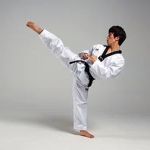 How to Execute a Jumping Roundhouse Kick to the Head
 How to Execute a Double Kick Combination in Sparring
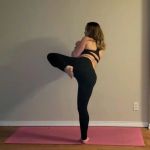 How to Perform a Flawless Axe Kick: A Step-by-Step Guide
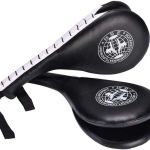 DIY Tae Kwon Do Training Equipment for Home Practice
 How to Increase Your Vertical Jump for Tae Kwon Do Flying Kicks
 The History of the Tae Kwon Do Peace Corps