
- Setting-Clear-TKD-Training-Goals
- Designing-A-Balanced-Training-Schedule
- Building-Core-Tae-Kwon-Do-Skills
- Strength-And-Conditioning-For-TKD
- Tracking-Progress-And-Improving
- Avoiding-Common-Training-Mistakes
Setting Clear TKD Training Goals
Learning How to Build Your Tae Kwon Do Training Plan: A Step-by-Step Guide begins with setting clear and realistic goals. Whether you are a beginner working toward your first belt test or an advanced practitioner refining sparring techniques, a structured plan helps you improve faster and train more efficiently.
1. Defining Your Training Purpose
Every Tae Kwon Do student trains for different reasons. Some want to improve fitness, others focus on competition, while many train for self-defense and discipline.
1.1 Belt Advancement Goals
Students preparing for belt tests should structure training around required techniques, forms, and combinations. Practicing these regularly helps build confidence before evaluation day.
1.2 Competition Preparation Goals
Students who compete often focus on speed, accuracy, and endurance. Sparring drills and reaction training become essential parts of the weekly schedule.
2. Setting Achievable Milestones
Breaking large goals into smaller milestones makes progress easier to track.
2.1 Short-Term Objectives
Examples include improving flexibility for higher kicks or mastering a specific poomsae pattern within one month.
2.2 Long-Term Development
Long-term goals may include earning a black belt, competing in regional tournaments, or developing advanced kicking combinations.
Many practitioners use Jeuns TKD Hub to discover helpful gear and training tools that support these milestones.
Designing A Balanced Training Schedule
A good training plan balances technique work, conditioning, and recovery. Consistency matters more than intensity, especially for long-term improvement.
1. Weekly Training Structure
1.1 Beginner Schedule Example
Beginners often benefit from training three days per week. Each session should include warm-ups, technique practice, and light conditioning.
1.2 Intermediate Schedule Example
Intermediate students often train four to five days weekly, adding sparring sessions and strength training.
2. Structuring Each Training Session
2.1 Warm-Up Phase
Every session should start with dynamic stretching and light cardio to prevent injuries. Jump rope and mobility drills prepare the body for kicking movements.
2.2 Technical Practice Phase
Technique training should focus on precision rather than speed. Practicing kicks slowly helps develop proper form.
2.3 Conditioning Phase
Strength and endurance exercises support better performance during sparring and demonstrations.
Building Core Tae Kwon Do Skills
Understanding How to Build Your Tae Kwon Do Training Plan: A Step-by-Step Guide requires focusing on fundamental skills before advanced techniques.
1. Developing Strong Kicking Technique
1.1 Basic Kicks
Front kicks, roundhouse kicks, and side kicks form the foundation of Tae Kwon Do. Practicing these consistently builds muscle memory.
1.2 Advanced Kicks
Once basics are mastered, spinning kicks and jumping kicks can be added to the training plan.
2. Practicing Forms and Patterns
2.1 Precision and Balance
Poomsae practice improves balance, coordination, and focus. Repetition is essential for mastering transitions between movements.
2.2 Mental Discipline
Forms training strengthens concentration and breathing control, which are important in both practice and competition.
3. Sparring Development
3.1 Controlled Drills
Controlled sparring drills help students develop timing and distance awareness.
3.2 Reaction Training
Reaction drills improve speed and decision-making during matches.
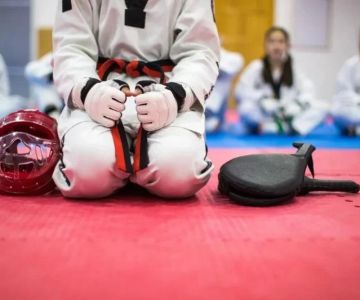
Training pads and protective equipment available through Jeuns TKD Hub can help students safely improve these skills.
Strength And Conditioning For TKD
Physical conditioning supports better technique and reduces injury risk.
1. Building Lower Body Strength
1.1 Essential Exercises
Squats, lunges, and step-ups strengthen the legs for powerful kicks.
1.2 Explosive Movements
Jump training helps improve kicking height and speed.
2. Improving Core Stability
2.1 Balance Training
Strong core muscles improve balance during spinning kicks.
2.2 Rotational Strength
Exercises involving rotation help generate more force during kicking techniques.
3. Flexibility Development
3.1 Dynamic Stretching
Dynamic stretches before training prepare muscles for movement.
3.2 Static Stretching
Stretching after training improves long-term flexibility and reduces stiffness.
Tracking Progress And Improving
One of the most effective ways to improve is to monitor your progress regularly.
1. Keeping A Training Journal
1.1 Recording Sessions
Writing down what you practiced helps identify patterns and improvements.
1.2 Identifying Weak Areas
Noting difficult techniques helps guide future training sessions.
2. Learning From Experience
2.1 Instructor Feedback
Regular feedback from instructors helps correct mistakes early.
2.2 Video Review
Recording practice sessions allows students to evaluate their form objectively.
Many experienced practitioners say video review helped them identify posture mistakes they never noticed during practice.
Avoiding Common Training Mistakes
Even motivated students can struggle if their training plans are not balanced.
1. Training Too Hard Too Quickly
1.1 Overuse Injuries
Excessive kicking without proper rest can lead to knee or hip strain.
1.2 Gradual Improvement
Increasing training intensity slowly helps prevent setbacks.
2. Ignoring Fundamentals
2.1 Technique Over Speed
Practicing kicks too quickly often leads to poor form.
2.2 Strong Foundations
Students with strong fundamentals progress faster in advanced training.
3. Lack Of Recovery
3.1 Importance Of Rest Days
Rest allows muscles to rebuild and become stronger.
3.2 Sleep And Nutrition
Good nutrition and sleep play a major role in training performance.
Following How to Build Your Tae Kwon Do Training Plan: A Step-by-Step Guide helps students train with purpose and consistency. With structured practice, realistic goals, and proper recovery, Tae Kwon Do training becomes both effective and rewarding.


 Aikido of San Jose4.0 (7 reviews)
 Nikko Jujitsu School4.0 (9 reviews)
 Gracie Barra San Clemente Martial Arts4.0 (47 reviews)
 Karate Institute of America4.0 (4 reviews)
 Keweenaw Korean Martial Arts0.0 (0 reviews)
 Wing Chun School of Internal Arts5.0 (6 reviews)
 How to Execute a Jumping Roundhouse Kick to the Head
 How to Execute a Double Kick Combination in Sparring
 How to Perform a Flawless Axe Kick: A Step-by-Step Guide
 DIY Tae Kwon Do Training Equipment for Home Practice
 How to Increase Your Vertical Jump for Tae Kwon Do Flying Kicks
 The History of the Tae Kwon Do Peace Corps