
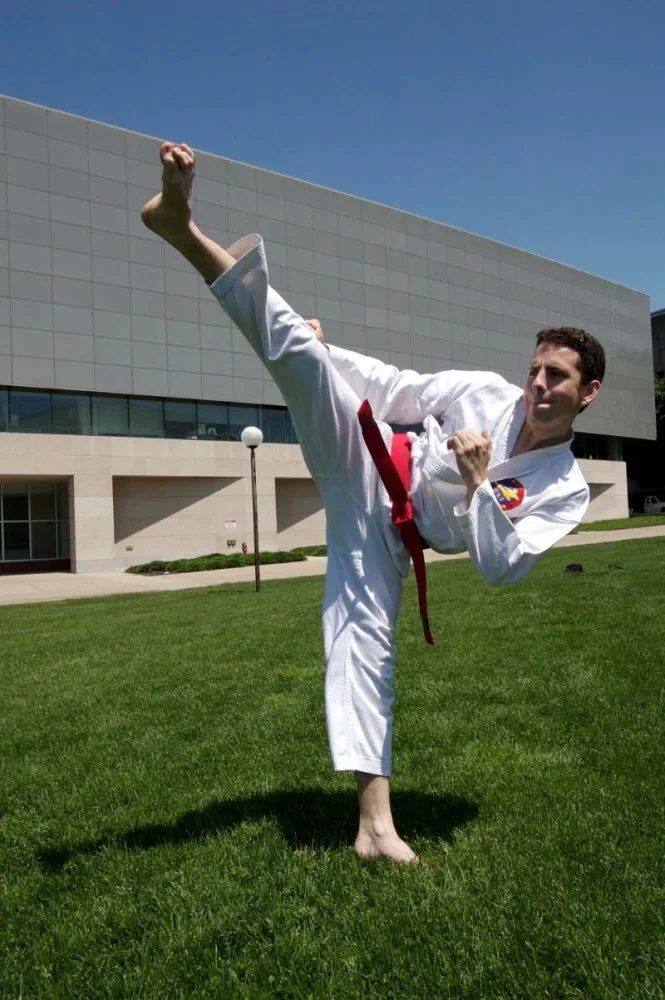
- Step 1: Why Flexibility is Important for Kicks in Tae Kwon Do
- Step 2: Types of Flexibility Needed for Tae Kwon Do Kicks
- Step 3: Effective Stretching and Flexibility Exercises for Kicks
- Step 4: Integrating Flexibility Training Into Your Tae Kwon Do Routine
- Step 5: Tips for Avoiding Injury While Improving Flexibility
Step 1: Why Flexibility is Important for Kicks in Tae Kwon Do
In Tae Kwon Do, the ability to execute high, powerful kicks is essential. Flexibility plays a crucial role in achieving this. Without the necessary flexibility in the hips, legs, and core, you may find it difficult to perform high kicks, fast kicks, or even controlled, accurate strikes.
Flexibility is vital for a few reasons:
- Improved Range of Motion: Flexibility allows for a greater range of motion, enabling you to kick higher and with more control.
- Better Kicking Power: Flexible muscles can generate more explosive power, resulting in faster and more forceful kicks.
- Injury Prevention: Stretching and maintaining flexibility help prevent muscle strains and joint injuries during training and sparring.
Therefore, incorporating flexibility training into your Tae Kwon Do routine is a must for anyone looking to improve their kicks and overall performance.
Budo Martial Arts Studio / budo martial arts studio
Ewing TownshipMercer CountyNew Jersey
9 Scotch Rd, Ewing Township, NJ 08628, USA
Step 2: Types of Flexibility Needed for Tae Kwon Do Kicks
Not all flexibility is the same. To improve your kicks in Tae Kwon Do, you need to focus on specific types of flexibility. Here are the key areas to target:
- Hip Flexibility: Flexibility in the hip flexors, groin, and glutes is crucial for high kicks, such as the roundhouse kick, front kick, and side kick. Tight hip muscles can limit the height and fluidity of your kicks.
- Hamstring Flexibility: Hamstring flexibility is important for controlling the extension of your legs. Tight hamstrings can prevent you from achieving full extension during a kick, leading to poor technique and less power.
- Lower Back Flexibility: A flexible lower back allows for better torso rotation and helps maintain balance while executing kicks, especially spinning and jumping kicks.
- Calf and Ankle Flexibility: Flexibility in the calves and ankles allows you to point your toes and maintain proper foot alignment during kicks. This also enhances balance and stability.
By targeting these areas, you can build the flexibility necessary to perform Tae Kwon Do kicks with greater effectiveness and power.
Champions Martial Arts Plainview / champions martial arts plainview
PlainviewNassau CountyNew York
10 Washington Ave, Plainview, NY 11803, USA
Step 3: Effective Stretching and Flexibility Exercises for Kicks
Incorporating regular stretching and flexibility exercises into your training routine is essential for improving your kicks in Tae Kwon Do. Here are some effective exercises to help you build the necessary flexibility:
- Dynamic Stretches: Begin with dynamic stretching before training to warm up your muscles. Perform leg swings, hip circles, and lunge stretches to activate your muscles and increase blood flow.
- Standing Hip Flexor Stretch: Stand with one leg forward and the other extended back. Bend your front knee and push your hips forward to stretch the hip flexor of the back leg. Hold for 20-30 seconds on each side.
- Butterfly Stretch: Sit with your feet together and knees bent outward. Gently press your knees toward the ground to stretch the inner thighs and groin. Hold for 30 seconds to increase flexibility in the hip area.
- Seated Hamstring Stretch: Sit on the floor with one leg extended straight and the other leg bent in. Reach toward the toes of the extended leg while keeping your back straight. This will stretch your hamstrings and improve your kick extension.
- Hip Rotator Stretch: Sit with one leg extended and the other bent across the extended leg. Gently twist your torso toward the bent leg, stretching your hips and lower back. This will improve flexibility for rotational kicks like spinning back kicks.
- Wall Splits: Use the wall to support you as you gradually stretch into a split position. Hold for 20-30 seconds to enhance flexibility in the hips and groin area, helping with high kicks and side kicks.
By incorporating these exercises into your regular training routine, you will see gradual improvements in flexibility, making it easier to execute higher and more powerful kicks.
Step 4: Integrating Flexibility Training Into Your Tae Kwon Do Routine
Flexibility training should be a regular part of your Tae Kwon Do routine. Here’s how you can integrate flexibility exercises effectively:
- Warm Up Properly: Always start your training session with a proper warm-up that includes dynamic stretches to prepare your muscles for kicking.
- Include Stretching After Practice: After your training, incorporate static stretching to increase flexibility and prevent muscle stiffness. Hold each stretch for at least 30 seconds to gain the most benefit.
- Set Flexibility Goals: Set realistic flexibility goals, such as achieving a higher front kick or being able to do a full split. Track your progress over time to stay motivated.
- Practice Kicking with Flexibility in Mind: As you improve your flexibility, begin practicing your kicks slowly to focus on proper form and execution. Gradually increase your speed and power as your flexibility improves.
Incorporating these steps into your training routine will allow you to develop both flexibility and strength, ultimately improving your Tae Kwon Do kicks.
Step 5: Tips for Avoiding Injury While Improving Flexibility
As you work on increasing your flexibility for better kicks, it’s important to take steps to avoid injury. Here are some key tips:
- Don’t Push Too Hard: Stretching should never cause pain. Go slowly and gently as you increase your flexibility, avoiding any sudden, forceful movements.
- Listen to Your Body: Pay attention to how your body responds to each stretch. If you feel any sharp pain or discomfort, stop immediately and consult a coach or healthcare professional.
- Stay Consistent: Flexibility takes time to develop, so be patient. Regular, consistent stretching will yield better results than trying to rush the process.
- Rest and Recover: Give your muscles time to recover between flexibility training sessions. Over-stretching can lead to strains and other injuries, so make sure to allow adequate rest.
By following these safety guidelines, you can safely build the flexibility you need for higher and more effective Tae Kwon Do kicks without risking injury.
For more expert tips and personalized training plans, visit Jeuns TKD Hub for the best resources to improve your Tae Kwon Do skills.

 Aikido of San Jose4.0 (7 reviews)
 Nikko Jujitsu School4.0 (9 reviews)
 Gracie Barra San Clemente Martial Arts4.0 (47 reviews)
 Karate Institute of America4.0 (4 reviews)
 Keweenaw Korean Martial Arts0.0 (0 reviews)
 Wing Chun School of Internal Arts5.0 (6 reviews)
 How to Execute a Jumping Roundhouse Kick to the Head
 How to Execute a Double Kick Combination in Sparring
 How to Perform a Flawless Axe Kick: A Step-by-Step Guide
 DIY Tae Kwon Do Training Equipment for Home Practice
 How to Increase Your Vertical Jump for Tae Kwon Do Flying Kicks
 The History of the Tae Kwon Do Peace Corps