
- 1. Understanding Common Injuries in Tae Kwon Do
- 2. The Importance of a Proper Warm-Up
- 3. Using Correct Techniques to Prevent Injuries
- 4. The Role of Rest and Recovery in Injury Prevention
- 5. Mental Preparation and Focus During Training
- 6. How to Evaluate Your Training Plan
1. Understanding Common Injuries in Tae Kwon Do
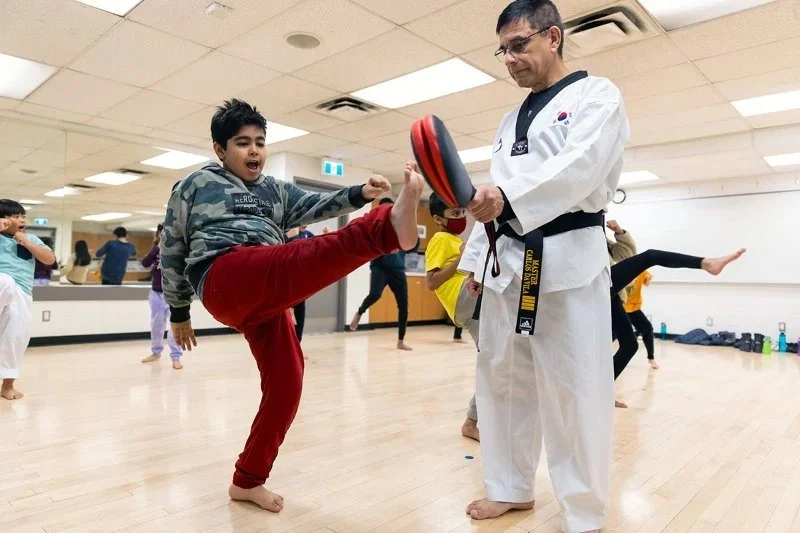
In any physical activity, particularly martial arts like Tae Kwon Do, injuries can occur if proper care isn’t taken. The most common injuries in Tae Kwon Do include sprains, strains, bruises, cuts, and more severe injuries like dislocations or fractures. Understanding these injuries can help you recognize potential risks and take steps to prevent them.

Budo Martial Arts Studio / budo martial arts studio
Ewing TownshipMercer CountyNew Jersey
9 Scotch Rd, Ewing Township, NJ 08628, USA
1.1 Common Injuries in Tae Kwon Do
In Tae Kwon Do, the high-intensity nature of the training, along with the fast kicks and strikes, can lead to overexertion injuries, especially in the ankles, knees, shoulders, and wrists. For example, a sprained ankle or a knee strain can occur if the proper techniques aren’t followed or if warm-up exercises are skipped.

Champions Martial Arts Plainview / champions martial arts plainview
PlainviewNassau CountyNew York
10 Washington Ave, Plainview, NY 11803, USA
1.2 Risk Factors
Several factors increase the risk of injury, including lack of proper warm-up, poor technique, improper footwear, or overtraining without adequate rest. Understanding these factors can help you adjust your routine to reduce the likelihood of injury.
2. The Importance of a Proper Warm-Up
A proper warm-up is essential in reducing the risk of injury. Warming up increases blood flow to muscles and improves flexibility, making it easier for your body to handle the demands of intense training.
2.1 Dynamic Stretching
Dynamic stretching, which involves controlled movements that take your muscles and joints through their full range of motion, is an excellent way to prepare for Tae Kwon Do training. Incorporate movements like leg swings, arm circles, and hip rotations to get your body ready for high-impact kicks and quick reflex movements.
2.2 Warm-Up Drills
Warm-up drills like light jogging, shadow boxing, or practicing slow, controlled versions of your kicks and punches help activate your muscles and improve your coordination before you ramp up your training. These exercises should be performed gradually, not abruptly, to avoid sudden strain on the muscles.
3. Using Correct Techniques to Prevent Injuries
Proper technique is the cornerstone of any martial art, including Tae Kwon Do. Not only does correct technique help improve your performance, but it also significantly reduces the risk of injury.
3.1 Focus on Posture and Alignment
Correct posture and body alignment during kicks, punches, and blocks are crucial to prevent stress on joints and muscles. For example, keeping your knee aligned with your toes during kicks helps prevent knee injuries. Make sure to maintain a balanced stance at all times to protect your back and lower body.
3.2 Gradual Progression
Training too hard or too fast can lead to strain. Gradually increasing the intensity and complexity of your training, as well as practicing proper body mechanics, can help you avoid overuse injuries. Work on mastering fundamental techniques before progressing to more advanced moves.
4. The Role of Rest and Recovery in Injury Prevention
Rest and recovery are just as important as training. Overtraining without adequate recovery time can lead to fatigue, muscle soreness, and increase the risk of injury.
4.1 Importance of Sleep
Sleep plays a vital role in muscle recovery and overall health. During sleep, your body repairs tissue and restores energy levels. Make sure to get adequate sleep to allow your muscles and joints to recover fully from each training session.
4.2 Active Rest Days
Active rest days, such as light stretching, yoga, or walking, can help reduce muscle tension and prevent stiffness while still allowing your body time to recover. Listen to your body and take rest days when needed to prevent overtraining.
5. Mental Preparation and Focus During Training
Injury prevention is not just physical; it also involves mental preparation. Staying focused and calm during your training helps you execute techniques with precision and reduce the chances of mistakes that could lead to injury.
5.1 Mindfulness Techniques
Practicing mindfulness can help improve focus and prevent distractions during training. Incorporating mental exercises like breathing techniques or visualization can help you stay calm and focused, which reduces the likelihood of accidents during sparring or practice.
5.2 Mental Resilience
Building mental resilience is essential for managing the intensity of Tae Kwon Do training. Staying calm under pressure can prevent hasty decisions that might lead to injury, especially during sparring sessions. Mental training alongside physical conditioning is necessary to stay injury-free.
6. How to Evaluate Your Training Plan
Regularly evaluate your training plan to ensure that you're not pushing yourself too hard or neglecting any aspect of your preparation. A balanced plan includes physical training, mental conditioning, and enough recovery time to keep your body in optimal condition.
6.1 Assessing Progress
Keep track of your progress by reviewing your training routine every few weeks. Look for any areas where you're feeling strain or discomfort and make adjustments to your routine accordingly. This will help you stay injury-free and prevent overuse injuries.
6.2 Seeking Professional Guidance
It’s always a good idea to get feedback from experienced instructors or trainers. They can help assess your technique, suggest improvements, and ensure that your training plan is properly structured to minimize the risk of injury.
By incorporating these injury prevention strategies into your Tae Kwon Do training, you can stay injury-free while advancing in your skills. Remember to focus on proper technique, take adequate rest, and mentally prepare yourself for each session. This holistic approach will not only protect you from injuries but also enhance your overall performance.


 Aikido of San Jose4.0 (7 reviews)
 Nikko Jujitsu School4.0 (9 reviews)
 Gracie Barra San Clemente Martial Arts4.0 (47 reviews)
 Karate Institute of America4.0 (4 reviews)
 Keweenaw Korean Martial Arts0.0 (0 reviews)
 Wing Chun School of Internal Arts5.0 (6 reviews)
 How to Execute a Jumping Roundhouse Kick to the Head
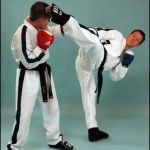 How to Execute a Double Kick Combination in Sparring
 How to Perform a Flawless Axe Kick: A Step-by-Step Guide
 DIY Tae Kwon Do Training Equipment for Home Practice
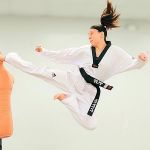 How to Increase Your Vertical Jump for Tae Kwon Do Flying Kicks
 The History of the Tae Kwon Do Peace Corps